It is easy to forget that the child actors who now dominate headlines with their hair-raising performances in Stranger Things once walked onto set for a modest stipend. Season 1 offered promising young actors a starting salary of roughly $20,000 per episode. At the time, nobody could predict that Hawkins, Indiana, would become the world’s most talked-about fictional town.
Fast-forward to Season 3, and those initial sums are now almost laughably low compared to what the cast eventually negotiated. Finn Wolfhard, Gaten Matarazzo, Caleb McLaughlin, and Noah Schnapp saw salaries skyrocket into the $200,000–$250,000 range per episode. That is not a simple raise; that is a quantum leap that mirrors the meteoric rise of the series itself. The actors went from relatively unknown kids to global celebrities almost overnight, a transformation fueled by both fan devotion and the show’s viral nostalgia-fueled appeal.
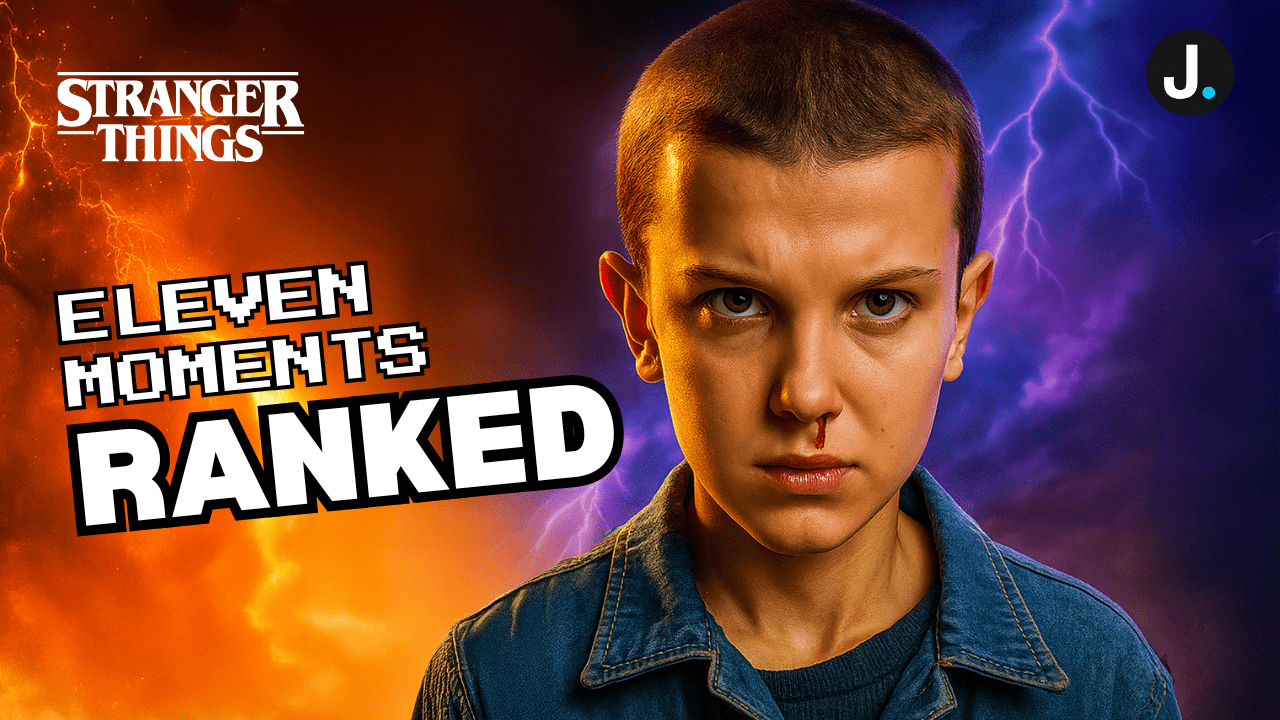
Millie Bobby Brown, whose portrayal of Eleven has been at the emotional core of the series, reportedly earned even more than her peers, potentially touching $300,000–$350,000 per episode. Brown’s intense performance, coupled with her iconic presence in the series’ visual language—bleach-blond hair, nosebleeds, and all—solidified her as a cornerstone of the show and a magnet for audience engagement. These numbers are staggering, yet they reflect the rare combination of talent, star power, and audience demand that Brown embodies.
Meanwhile, adult leads like Winona Ryder and David Harbour also saw substantial increases. Ryder’s Joyce Byers and Harbour’s Chief Hopper serve as anchors for the narrative, and their reported $350,000 per episode salaries underscore their indispensable role in balancing the supernatural chaos with emotional weight. This pay leap illustrates Hollywood’s growing recognition that veteran actors are crucial for both dramatic depth and maintaining series continuity.
Beyond the obvious thrill of knowing your favorite actors are being compensated fairly, the Stranger Things salary story speaks to larger trends in Hollywood. These raises demonstrate how streaming success has reshaped the business model. Netflix, like other platforms, now relies on tentpole series to drive subscriptions, meaning top-performing actors hold more negotiating power than ever before.
Fans have responded with a mix of enthusiasm, pride, and curiosity. On social media, many celebrated the young cast members’ meteoric rise. One fan tweeted, “These kids saved Hawkins and Netflix just paid them accordingly. Respect.” Another joked, “Finn and Gaten probably bought a Demogorgon for Christmas with their raises.” The playful engagement demonstrates how financial narratives blend seamlessly with fandom culture, turning the behind-the-scenes business of television into part of the storytelling experience itself.
Industry insiders also note that these raises could set precedents. Successful shows with young talent may increasingly push for salaries that reflect their contribution, potentially reshaping the way networks and streaming services value child actors. Prior to Stranger Things, it was rare for young performers to command six-figure salaries for episodic television. Now, the rules have changed, signaling both opportunity and heightened expectations for future productions.
Here is a closer look at how the salaries reportedly evolved from Season 1 through Season 3:
- Season 1: Young actors started at $20,000 per episode, adults were around $80,000–$150,000. The budget was cautious, as Netflix had no guarantee the show would take off.
- Season 2: Success of the first season led to raises, with young actors reaching $60,000–$80,000 per episode. Adult leads saw moderate growth.
- Season 3: Blockbuster success brought massive raises—Finn Wolfhard, Gaten Matarazzo, Caleb McLaughlin, and Noah Schnapp surpassed $200,000 per episode. Millie Bobby Brown potentially earned $300,000–$350,000. Winona Ryder and David Harbour both reached $350,000 per episode.
Other supporting actors like Natalia Dyer, Charlie Heaton, and Joe Keery reportedly earned approximately $150,000 per episode, marking a solid growth trajectory while reflecting the ensemble nature of the cast. These financial figures, combined with merchandise and global viewership revenue, highlight how Stranger Things has become a multi-faceted franchise.