When Stranger Things first began casting in 2015, the stakes could not have been higher. Netflix and the Duffer Brothers were searching for child actors capable of carrying a show with an intense mix of 1980s nostalgia, supernatural suspense, and heavy emotional drama. At the heart of this undertaking was Carmen Cuba, whose eye for talent would shape the fate of Hawkins, Indiana, forever.
The challenge Cuba faced was monumental. “Everyone recognized really early on that if we had even one kid who wasn’t good, it would take the whole ship down,” co-creator Matt Duffer explained to the Daily Beast. Unlike many child-led shows, Stranger Things demanded performers who could convey terror, vulnerability, and resilience while still feeling like genuine kids. This combination is rare, and Cuba knew the search required patience, intuition, and a deep understanding of each actor’s natural energy.
The casting call spanned hundreds of auditions, but Cuba’s focus was on finding kids who could inhabit their roles rather than simply recite lines. This emphasis on authenticity gave birth to a cast that not only resembled their characters on paper but added their own unique flourishes, transforming the scripted narrative into something organic and electric.
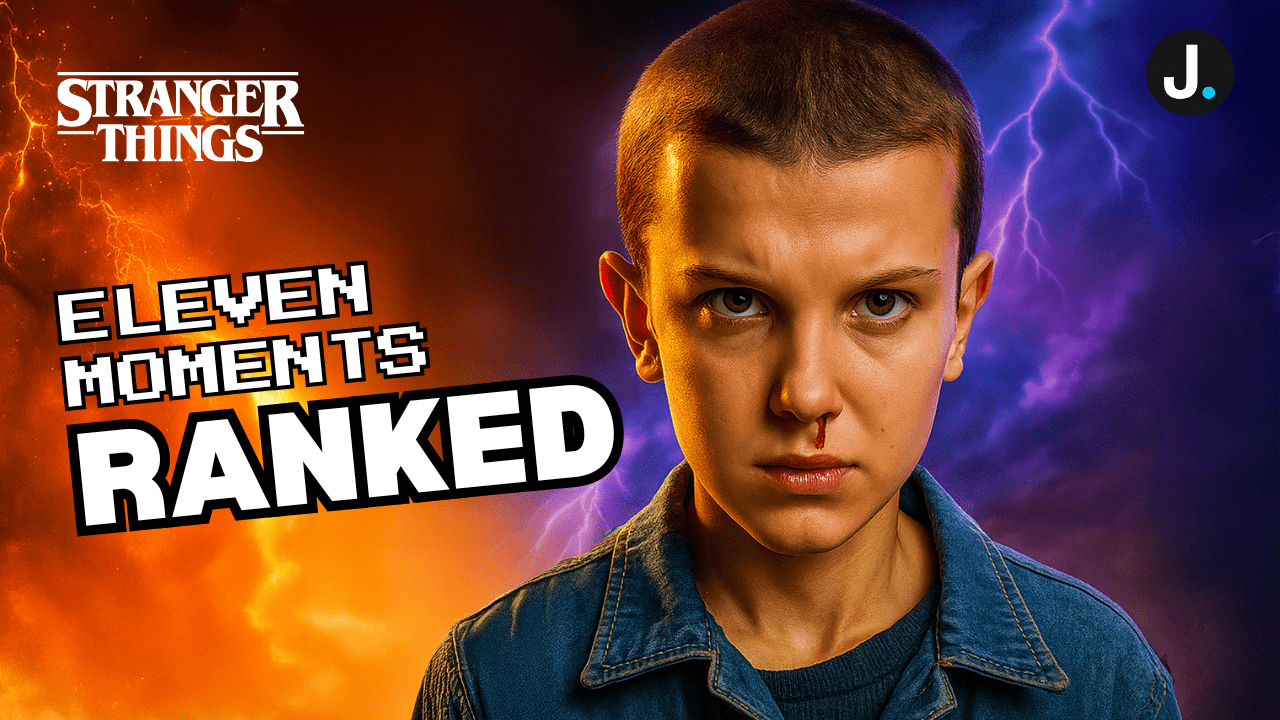
Among the child actors who eventually became household names, Millie Bobby Brown emerged as Eleven, the girl with psychokinetic powers, whose performance carried the weight of the series’ emotional core. Brown’s audition exuded both fragility and fierce determination, a combination that instantly convinced Cuba and the Duffers that they had found someone extraordinary.
Then there was Finn Wolfhard as Mike Wheeler, whose natural charm and authenticity prompted the creators to tweak the character slightly to better match Wolfhard’s energy. His chemistry with Brown became the emotional anchor for the series, demonstrating Cuba’s intuition in pairing actors not only with their roles but with one another.
Gaten Matarazzo, who plays Dustin Henderson, brought humor, warmth, and an undeniable relatability, ensuring that the show’s lighter moments balanced its darker themes. Sadie Sink, cast as Max Mayfield, added depth and complexity with her nuanced portrayal of a teenager grappling with trauma and sibling dynamics. Each actor contributed to a tapestry of relationships that felt lived-in, and Cuba’s ability to see beyond the script to the actor’s individuality was crucial in achieving this chemistry.
Cuba has often emphasized that she looked for authenticity first and talent second. “What was great about this process was that we were able to find kids who had so much of their own individual traits and energy that they shaped their own characters organically,” she explained. This approach allowed the series to evolve naturally, with actors influencing character arcs rather than simply filling static roles.
While the children formed the emotional spine of Stranger Things, the adults had to provide gravitas, guidance, and relatability. Winona Ryder as Joyce Byers and David Harbour as Chief Jim Hopper brought decades of experience, ensuring the series’ narrative weight could match its supernatural thrills.
Cuba approached adult casting with the same principle as the children: authenticity and chemistry. Adults needed to react believably to the terror and intensity experienced by the kids while also maintaining compelling, nuanced performances of their own. Ryder’s portrayal of a frantic mother searching for her missing son added emotional resonance, while Harbour’s gruff-yet-tender Hopper balanced tension with moments of humor and humanity. Together, they created the scaffolding for Hawkins’ human dimension, anchoring the extraordinary events in relatable emotion.
Cuba’s philosophy extended to the way adults and children interacted. By understanding the perspectives and emotional needs of young actors, she could select adults who complemented the children’s performances. “Being able to experience the young actors with this very present sense of what, at that age, a person is like, how deeply they think and feel, and how connected they are to their younger selves was special for me,” Cuba reflected. This insight allowed for scenes that felt organic, where adults and children existed in the same believable universe rather than one overshadowing the other.
One of the most striking aspects of Cuba’s approach was her willingness to break conventional casting rules. Instead of relying on traditional typecasting or familiar Hollywood faces, Cuba focused on actors who embodied the essence of the characters she and the Duffers envisioned. Executive producer Shawn Levy noted, “We never really operated with respect for the conventional rules. We just knew what our characters felt like when we sat across the table from those actors.”
This risk-taking created opportunities for actors to redefine the roles. Millie Bobby Brown became Eleven with traits the script never fully captured, Finn Wolfhard’s Mike evolved alongside his off-screen personality, and the ensemble developed chemistry that could not have been predicted on paper. These decisions exemplify a casting process informed by instinct, observation, and a deep understanding of narrative needs.
Cuba’s approach also highlights the interplay between casting and storytelling. By selecting actors who could improvise, react genuinely to one another, and bring emotional truth to fantastical scenarios, the series avoided feeling manufactured. Instead, viewers experienced a world that was simultaneously magical, terrifying, and heartbreakingly human.
As Stranger Things prepares for Season 5, the importance of casting is clearer than ever. Cuba’s methodology ensured that the series’ characters could carry complex storylines, adapt to evolving narratives, and anchor both nostalgic and contemporary themes. Her emphasis on authenticity, chemistry, and breaking rules demonstrates the invisible work that underpins the visible magic of television.
The casting also has ripple effects beyond the show. It influenced how audiences perceive childhood, friendship, and trauma within a supernatural context, and it cemented actors like Brown, Wolfhard, Matarazzo, and Sink as cultural icons. The adults, guided by skilled casting choices, reinforced the emotional depth that allows viewers to care about Hawkins as a lived-in world rather than a set piece.
Cuba’s work reminds fans and creators alike that casting is an art form. It requires intuition, patience, and the courage to defy convention. The resulting ensemble has contributed to the cultural phenomenon that Stranger Things has become, resonating with millions across the globe.
At the end of the day, Stranger Things captivates because it combines supernatural horror, 1980s nostalgia, and profound human emotion. The young and adult ensembles, carefully curated by Carmen Cuba, form the heart of this narrative. Every scream, every tear, and every triumphant moment in Hawkins is amplified by performances rooted in authenticity and chemistry.
As fans eagerly await Season 5, it is worth reflecting on the casting process that made it all possible. From discovering extraordinary young talent to pairing them with seasoned adults capable of holding their own, Cuba’s vision shaped the series in ways that continue to resonate. Her intuitive, risk-taking approach to casting ensured that the show could blend fantastical storytelling with emotional truth.
Ultimately, Cuba’s work demonstrates that the magic of Stranger Things resides not only in the Upside Down or the supernatural thrills but in the actors who inhabit this world, bringing every corner of Hawkins to life. The ensemble cast is a living, breathing testament to thoughtful casting, collaborative creativity, and the enduring power of performance.
As we step back into Hawkins this November, viewers will see the fruits of Cuba’s vision: an ensemble that feels real, relatable, and unforgettable. Whether it is Millie Bobby Brown’s raw emotion, Finn Wolfhard’s charm, or Winona Ryder’s grounding presence, the casting is the invisible glue holding this extraordinary story together.
Stranger Things thrives because the people playing it are as extraordinary as the world they inhabit. And for that, we have Carmen Cuba to thank.