Few fans realise that the first episode of Stranger Things, the one that launched a worldwide obsession, began its life far from Hawkins, Indiana. In the earliest drafts, it carried the working title “Montauk Pilot”, a nod to the infamous Montauk Project conspiracy theories. For those not steeped in fringe 1980s lore, the Montauk Project purportedly involved secretive government experiments on mind control, time travel, and other paranormal phenomena. It’s the perfect kind of eerie backdrop for the Duffer Brothers’ blend of horror, suspense, and science fiction.
The transition from Montauk to Hawkins represented more than a simple change of scenery. Matt Duffer and Ross Duffer recognised the need for the show to resonate with audiences on a more universal level. Hawkins, with its quintessential suburban charm juxtaposed against creeping terror, allowed viewers to connect emotionally with the characters and the stakes, rather than get bogged down in the specifics of a conspiracy theory-laden Long Island town. Matt Duffer explained in interviews that their intention was to “create an emotionally resonant experience rather than a rigid homage to a specific location or historical event.”
Even in the pilot’s original Montauk iteration, the DNA of Stranger Things was present: the disappearance of a child, friends banding together to solve a mystery, and supernatural forces lurking just beyond the veil of reality. Moving the story to Hawkins allowed these elements to breathe, giving the Duffer Brothers room to craft rich character arcs while establishing the town as a character in its own right—a place that feels quaint, familiar, and yet terrifyingly unpredictable.
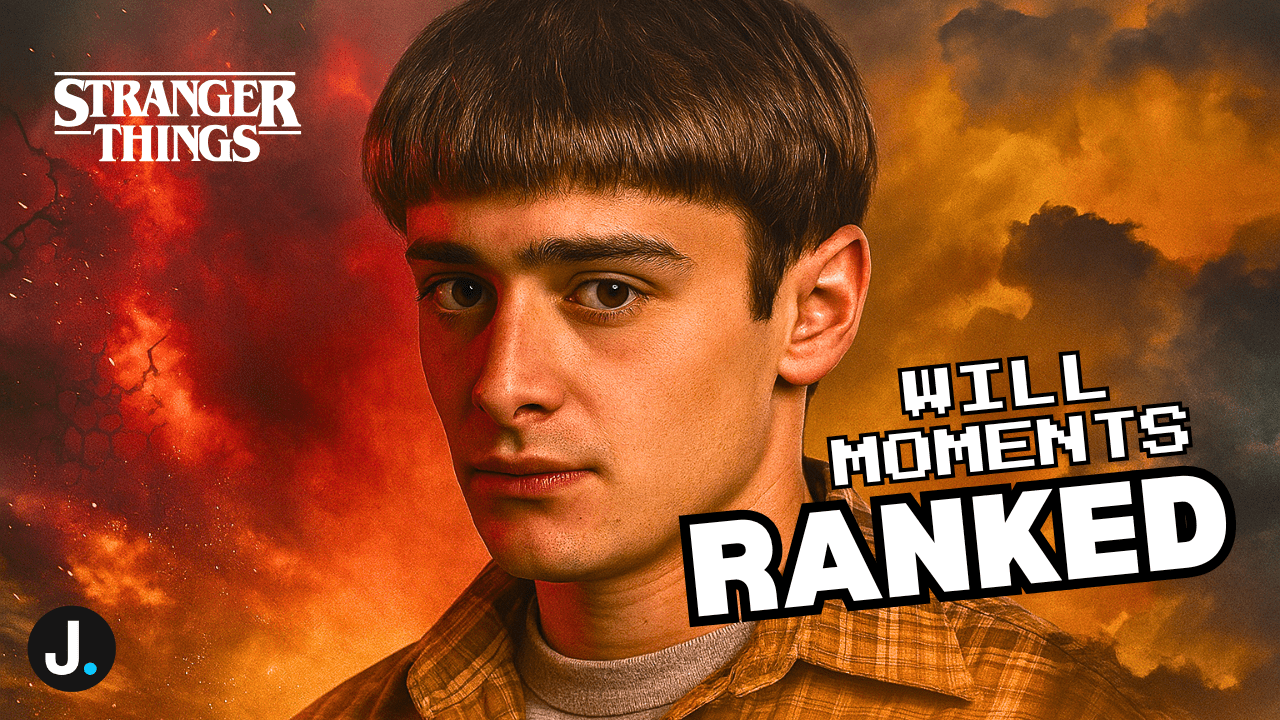
Released on July 15, 2016, “Chapter One: The Vanishing of Will Byers” instantly became a cultural touchstone. The episode opened with the ordinary suburban life of Hawkins, Indiana, as a quiet summer evening quickly spirals into tension and terror. The disappearance of Will Byers sets the narrative in motion, but it’s the meticulous layering of 1980s nostalgia, cinematic references, and character-driven drama that elevates the story. Fans immediately recognised homages to Stephen King’s suspenseful small-town horrors and John Carpenter’s eerie, synth-infused atmospheres, giving the series a familiar yet uniquely terrifying feel.
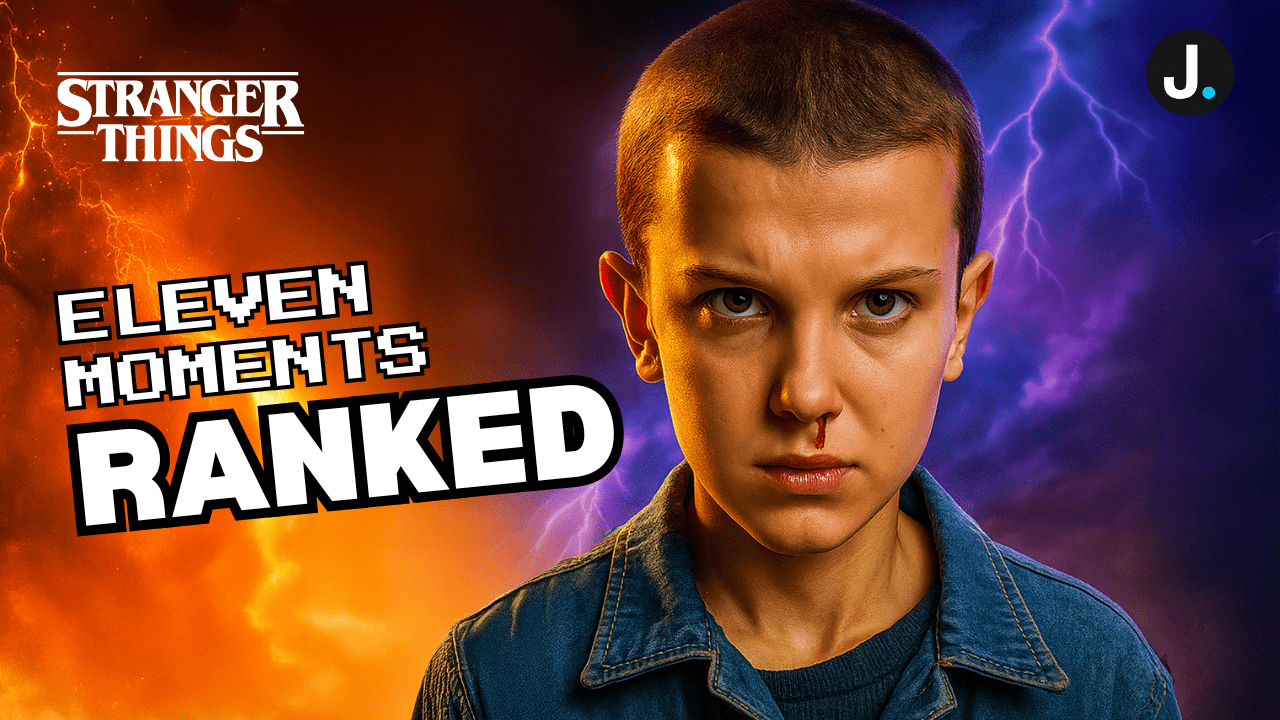
From the very first scene, the Duffer Brothers established the stakes of the series: ordinary kids facing extraordinary threats. Mike Wheeler, Dustin Henderson, and Lucas Sinclair are introduced as the loyal, resourceful trio who refuse to abandon their missing friend. Enter Eleven, the enigmatic girl with psychokinetic powers, whose arrival immediately shifts the dynamic of heroism within the story. Her supernatural abilities redefine traditional narrative roles, allowing a young female character to wield agency in ways rarely seen in genre television at the time.
The pilot also demonstrated the Duffer Brothers’ mastery of suspense. Each visual and audio cue was designed to evoke tension: flickering lights, ominous shadows, and the distant rumble of something unknown creeping closer. Even with the Montauk Project premise scrapped, the pilot retained its sense of the uncanny—a world where the supernatural hides just beyond the familiar. Childhood friendships, the trauma of loss, and the courage needed to confront the unimaginable are woven seamlessly into the narrative. The show balanced horror and heart in a way that made viewers care as much about the characters’ emotional journeys as their survival.
Perhaps most striking is how the episode made the ordinary terrifying. Hawkins feels like a town viewers could have grown up in, making Will’s disappearance all the more unnerving. A bike ride through the woods, a shadow moving in the background, a door creaking open—these moments are familiar enough to be relatable but manipulated with tension to inspire dread. The pilot showcases how horror thrives not through gore, but through atmosphere, character empathy, and the relentless creeping of the unknown.
The transformation from “Montauk Pilot” to “Chapter One: The Vanishing of Will Byers” exemplifies the Duffer Brothers’ adaptability and storytelling vision. By focusing on Hawkins, they created a microcosm of suspenseful suburban life and supernatural terror, and allowed characters to evolve in ways that resonated deeply with audiences. Fans instantly bonded with the core group of kids, finding their bravery, loyalty, and humour irresistible.
As Stranger Things approaches its fifth season in November 2025, the significance of that first episode continues to resonate. The pilot laid the groundwork for a story where horror and heart coexist, and where supernatural threats are inseparable from the relationships between characters. Every terrifying encounter, every mysterious signal from the Upside Down, carries emotional weight because of the bonds established from episode one.
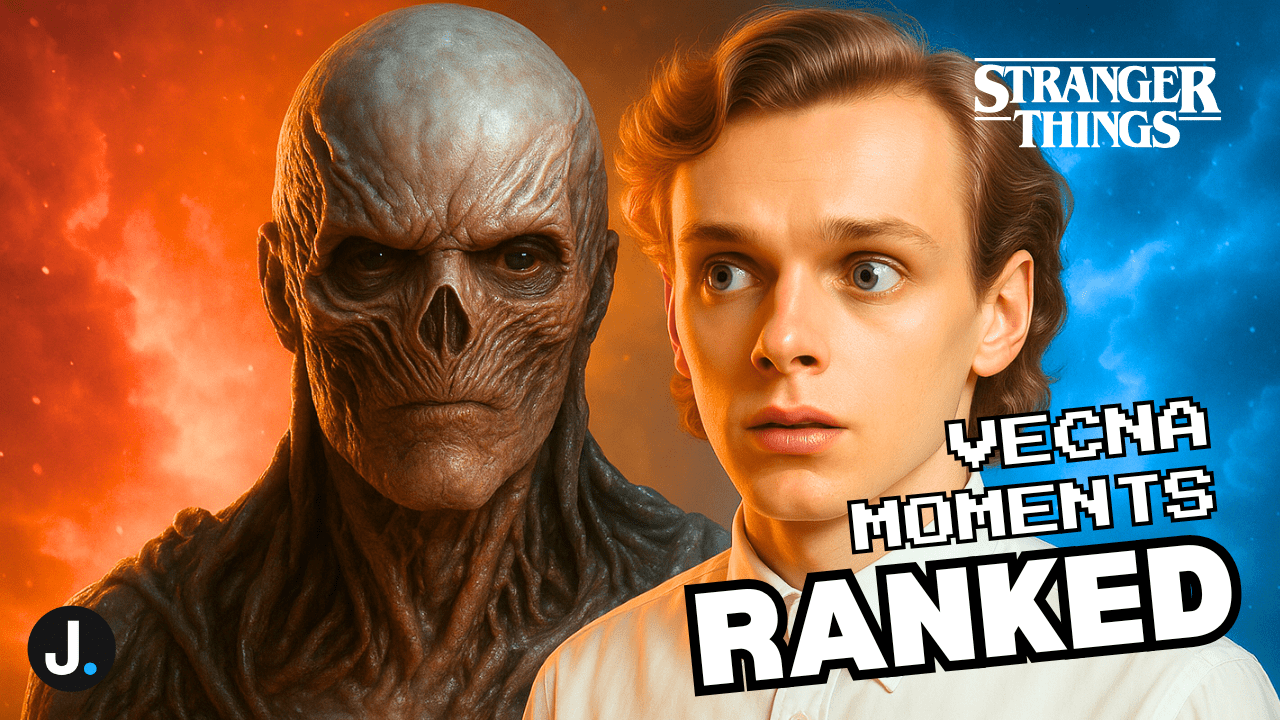
Will Byers’ disappearance became more than a plot device—it became the catalyst for exploring grief, friendship, and resilience. The pilot’s success also allowed the Duffer Brothers to experiment with pacing, tension, and narrative complexity in later seasons, leading to iconic arcs like the battle against the Mind Flayer, the emergence of Vecna, and the exploration of Hawkins Laboratory’s dark history. The careful balance between nostalgia and contemporary storytelling established by the pilot remains a hallmark of the series, proving that compelling characters can carry a narrative as effectively as monsters and supernatural phenomena.
The legacy of the first episode also lies in its influence on fan engagement. Social media buzz, fan theories, cosplay, and immersive experiences like the Stranger Things Halloween Horror Nights maze all trace their roots to the emotional and narrative foundation laid in “The Vanishing of Will Byers.” It demonstrates how a single episode, even one with a title and setting shift, can ignite a cultural phenomenon and foster a community that thrives on shared experiences of fear, wonder, and nostalgia.
The Duffer Brothers have consistently shown that they understand the delicate art of balancing terror and tenderness. The pilot episode’s evolution from “Montauk Pilot” to the now-iconic “Chapter One: The Vanishing of Will Byers” highlights their ability to refine concepts to maximise audience connection. The meticulous characterisation, the painstakingly crafted suspense, and the integration of 1980s cultural touchstones created a series that is immersive, emotionally engaging, and endlessly bingeable.
The premiere’s influence endures because it captures universal truths beneath its supernatural veneer. Childhood friendships, confronting fears, and the courage to face the unknown are themes as relevant today as they were in the 1980s setting of the show. As fans await the fifth and final season, the legacy of the pilot reminds us that great storytelling begins with compelling characters, a carefully constructed world, and the courage to step into darkness—even when it’s only a fictional town like Hawkins.