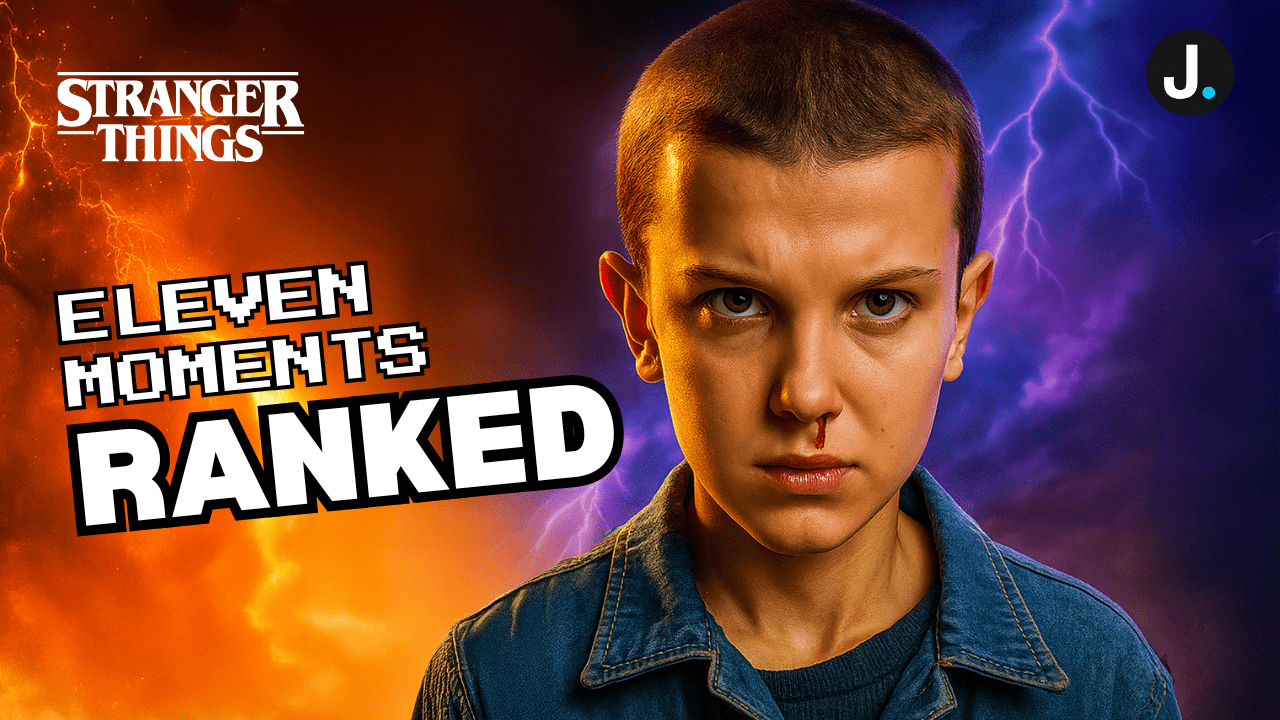
When Stranger Things first arrived on screens in July 2016, it didn’t just charm viewers—it ignited a global phenomenon. Nostalgia, supernatural intrigue, and endearing character dynamics created a recipe that audiences devoured in binge-worthy fashion. Fans fell for the small-town mysteries, the sinister world of the Upside Down, and of course, the telekinetic girl with a shaved head, Eleven. But what many viewers don’t realise is that the fate of Eleven was almost sealed in the first season.
Originally, the Duffer Brothers envisioned Stranger Things as a tight, self-contained miniseries. A shocking element of that plan was the death of Eleven. Her sacrifice, battling the fearsome Demogorgon, was meant to mark the series’ emotional and narrative climax. Imagine that: the girl who levitated skateboards, nose-bleeds and all, vanishing at the height of the drama, leaving Hawkins and its heroes to cope with her absence. The thought of a season one finale without Eleven is jarring for fans now; she has become the emotional anchor of the show, her story interwoven with every major plotline.
But fate, in this case aided by Netflix, had other plans. Recognising the cultural resonance and explosive popularity of the show, the streaming giant nudged the Duffer Brothers to expand the narrative. That single-season arc blossomed into multiple seasons, complete with evolving character relationships, deeper mythology, and the chance for Eleven to grow beyond the confines of a tragic hero.
How Netflix Shaped Stranger Things’ Storytelling
The influence of Netflix on the storytelling trajectory of Stranger Things illustrates the delicate balance between creative vision and network strategy. Following the success of season one, the streaming platform greenlit a second season before the first had even finished airing. This move forced the Duffer Brothers into a creative pivot. Suddenly, they were no longer wrapping up a concise miniseries—they were building a long-form narrative with far-reaching consequences.
Interestingly, the Duffers maintained a cryptic public persona, downplaying the possibility of future seasons in interviews. This clever ambiguity stoked fan speculation and kept the buzz alive, demonstrating a masterclass in audience engagement. By navigating Netflix’s ambitions while protecting their creative vision, they managed to turn what could have been a simple story into a multi-layered saga full of suspense, emotional stakes, and richly developed characters.
Eleven’s survival was central to this expansion. By keeping her alive, the series could explore her transformation from a mysterious, vulnerable girl into a fully realised character capable of immense heroism and emotional depth. Without this key decision, Stranger Things may have remained a cult hit with a finite story rather than the sprawling, iconic series that it has become.
Eleven’s Evolution in Stranger Things and Lasting Cultural Impact
As the series progressed, Eleven emerged as much more than a character with telekinetic powers. She became the emotional heart of Stranger Things. Her journey—from a scared, isolated girl to a fierce protector of her friends and the town of Hawkins—resonated with audiences across generations. Seasons two through four allowed her to face new threats, forge intricate relationships, and explore her identity in ways that would have been impossible had she perished at the end of season one.
Fans credit Eleven’s iconic status to the Duffer Brothers’ decision to alter their original plan. By allowing her to survive, they opened the door to complex story arcs, moral dilemmas, and character growth that anchored the series emotionally. The tension between the pressures of network intervention and the creators’ original vision resulted in a layered narrative that continues to keep viewers hooked.
Reflecting on this near-tragic alternate ending adds a layer of appreciation for both the series and its creators. What began as a plan for loss transformed into a celebration of friendship, courage, and the ongoing battle between the mundane world and the monstrous Upside Down. Eleven’s survival did not merely extend the show’s run; it gave fans a character to root for, a symbol of hope, and a figure who embodies the strength found in vulnerability.
With Stranger Things season five on the horizon this November, it is both thrilling and humbling to consider how close we came to losing Eleven forever. Her story has become a testament to the power of adaptation, collaboration, and the magic that happens when creators, networks, and audiences align in their love for a story. Eleven continues to be a character of inspiration, proving that heroism is not only about defeating monsters—it is about the choices we make and the lives we touch along the way.
Eleven’s near-death and eventual survival illustrate a key lesson in modern television: narratives are fluid, and character arcs can shift dramatically when creative vision meets audience demand. Stranger Things could have been a single-season story with a heart-wrenching finale, but instead, it evolved into a sprawling narrative that balances supernatural terror, nostalgic charm, and deeply human stories. Eleven’s presence at the centre of it all is a reminder that sometimes, what seems like a story’s tragic end can become the very foundation of its enduring success.
Fans, of course, continue to celebrate Millie Bobby Brown’s portrayal of Eleven, and each new season adds layers to a character who might have been lost forever. From battling Demogorgons to exploring her identity and powers, Eleven has grown alongside her audience, becoming a lasting emblem of bravery, friendship, and the strange, beautiful chaos of growing up in Hawkins.
The decision to spare Eleven fundamentally changed Stranger Things. It shifted the narrative from a fleeting, nostalgic thrill to a rich, multi-season saga that resonates across generations. It also reminds us why we watch shows: for characters who feel alive, for stories that surprise us, and for the knowledge that even in fiction, a single decision can alter the course of everything.