Three years may seem like an eternity in television terms, yet Stranger Things has refused to fade from public consciousness. Nielsen’s recent Top 20 streaming titles reveal a remarkable feat: the series sits at number 17, nestled among cultural juggernauts like Squid Game, Reacher, and The Night Agent. This ranking is no trivial matter; it’s an affirmation of how deeply Hawkins, Indiana, has imprinted itself on viewers’ collective imagination. As Deadline points out, "for a show that hasn’t released a new episode in three years, it’s a feat."
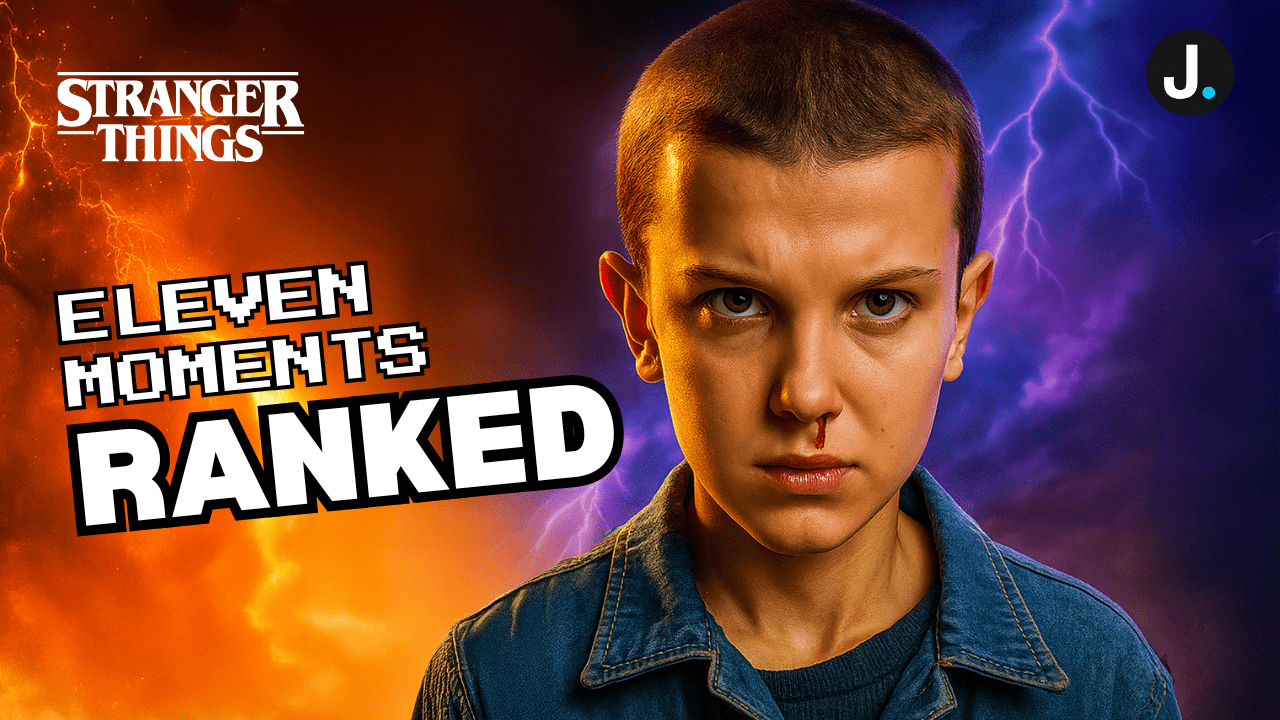
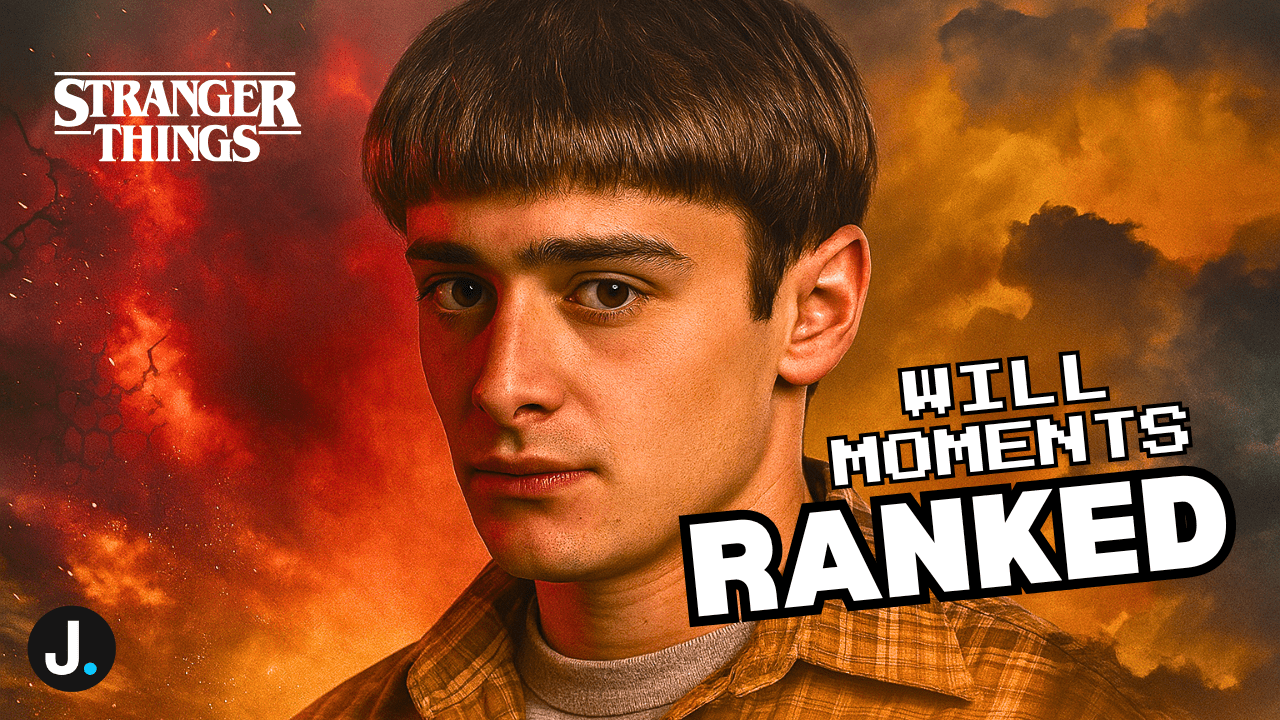
This enduring attention speaks to the layered storytelling and nostalgic allure of Stranger Things. From the chilling disappearance of Will Byers (Noah Schnapp) to the emergence of Eleven (Millie Bobby Brown) as a supernatural hero, the series continues to inspire rewatching marathons. Fans are clearly returning to the Upside Down, reliving both the suspense and the charm that made the series a phenomenon in the first place.
The Emotional Stakes of Stranger Things' Final Season
The fifth season looms large on the horizon, promising to deliver a final chapter packed with tension, heartbreak, and triumph. For fans, saying goodbye to Hawkins feels like more than just ending a show; it’s a farewell to a formative narrative universe where childhood innocence collides with supernatural terror.
The characters’ journeys have always blended horror with the raw emotions of adolescence. As the series progressed, viewers witnessed friendships tested, bravery displayed under impossible circumstances, and personal trauma made palpable. Stranger Things balances its darker moments with tender human connections, a formula that has allowed audiences to form deep emotional bonds with the cast. The anticipation of seeing how these arcs conclude is palpable, and Nielsen’s statistics underscore that this engagement extends far beyond casual viewers.
The Legacy of Stranger Things
So why does Stranger Things continue to dominate streaming platforms years after its last release? Nielsen’s metrics hint at a broader behavioural shift: fans are not only consuming content reactively but proactively revisiting series in preparation for new installments. The legacy of Stranger Things shows that successful franchises cultivate ongoing engagement, turning previous seasons into a warm-up for future releases.
Streaming has reshaped audience habits. Viewers now approach shows with a binge-ready mindset, combing through past seasons to catch every subtle callback or foreshadowing clue. Stranger Things excels in this realm, combining 1980s pop culture references, nostalgic aesthetics, and layered storytelling that rewards repeat viewings. The series demonstrates how legacy content can maintain relevance, with fans revisiting Hawkins repeatedly, eager to immerse themselves in the mysteries of the Upside Down before the climactic finale arrives.
Hawkins continues to inspire conversation, debate, and speculation, cementing the series’ place in the pantheon of modern television. The final season promises to reward this enduring loyalty with a blend of horror, nostalgia, and emotional closure that has kept audiences coming back, ready to bid farewell to the series that defined a decade of streaming culture.