When it comes to social media, Stranger Things doesn’t just show up—it takes over. With over five million followers on TV Time, it has become the most followed TV show in the platform’s history, a staggering reflection of its global reach. This is a show that thrives not only on viewers’ screens but also on their feeds, timelines, and group chats.
The series leverages its engaging storylines, relatable characters, and the nostalgic pull of the 1980s to create a robust online community. Fans dissect every frame, theorise about plot twists, and revisit the subtle references that pepper Hawkins, Indiana. The conversation doesn’t pause when the credits roll. Instead, it continues online with memes, GIFs, fan art, and spirited debates.
Part of this social media success comes from the creators’ understanding of digital storytelling. Behind-the-scenes content, interviews with the cast, and interactive posts invite fans to feel included in the Stranger Things universe. As analyses of social media strategy suggest, audience engagement thrives when viewers feel like participants rather than passive consumers. For this show, every post, tweet, and clip serves to deepen that connection, fostering a sense of community that persists long after a season ends.
At the heart of Stranger Things lies a delicate balance between nostalgia and innovation. On one hand, the show evokes classic 1980s films, synthesiser-driven scores, and retro visuals that tug at the memories of older viewers. On the other, it addresses universal themes such as friendship, courage, and resilience, resonating with younger fans discovering Hawkins for the first time.
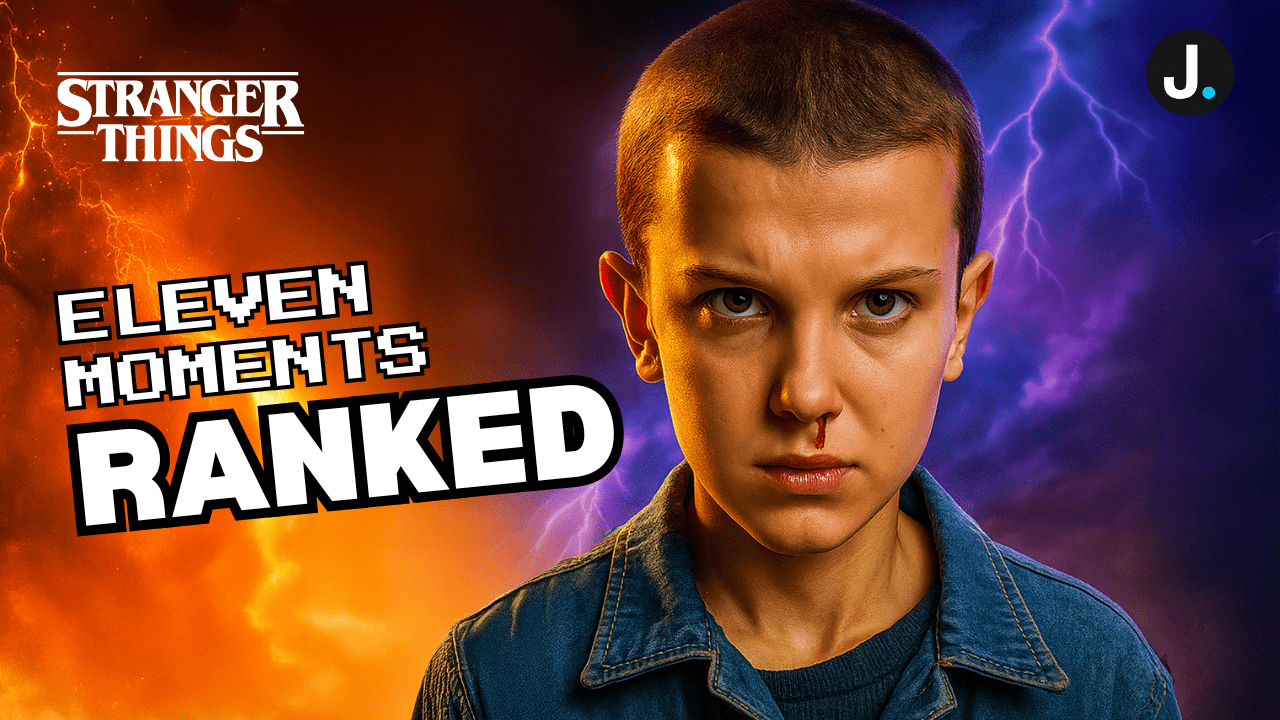
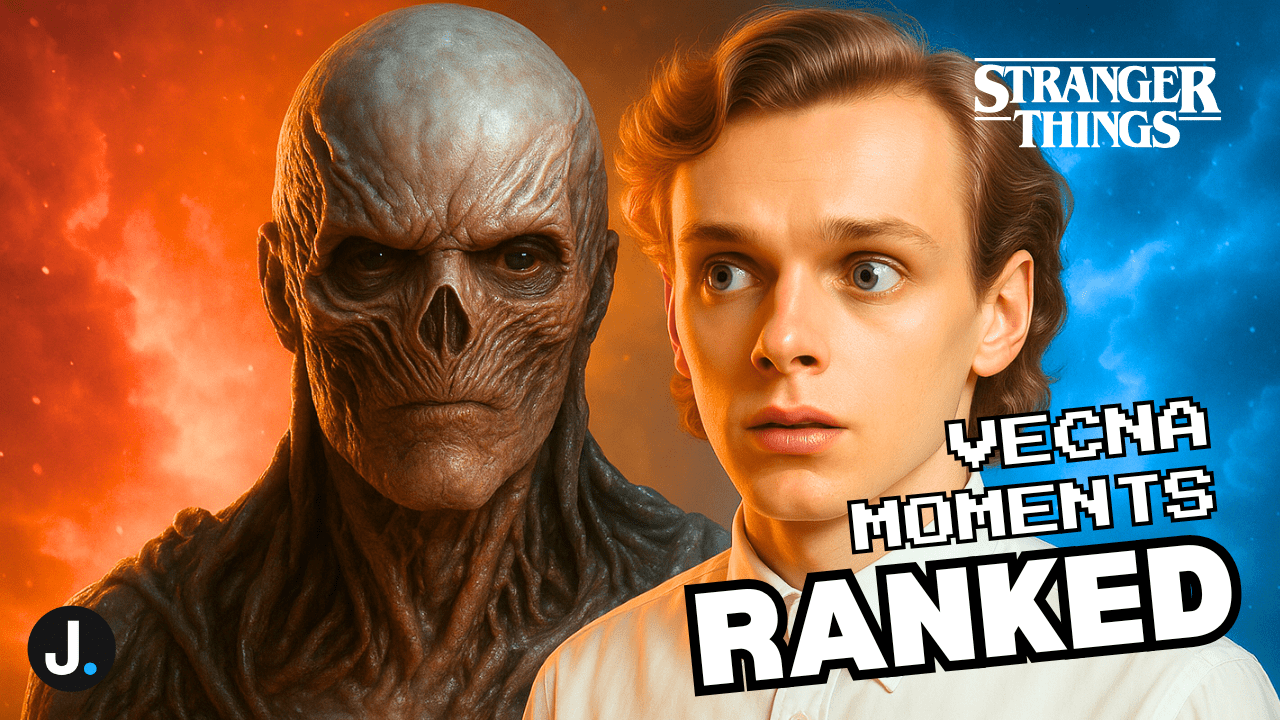
The result is a generational bridge, where both decades-old VHS enthusiasts and digital-native fans can share enthusiasm for the show. Online, this duality sparks fan theories, imaginative discussions, and creative output, from fan art to memes that riff on everything from Eleven’s powers to the Demogorgon’s terrifying silhouette. Each post contributes to a vibrant ecosystem, a feedback loop that sustains engagement far beyond Netflix’s platform.
By integrating retro aesthetics with modern storytelling, the show demonstrates how nostalgia can be harnessed to engage audiences on multiple levels. It isn’t mere repetition of the past—it’s a reinterpretation that connects emotionally and intellectually with viewers. Every scene, every synth note, and every visual reference becomes a conversation starter, prompting fans to explore and share interpretations that expand the narrative universe in their own homes, online forums, and social media groups.
With Season 5 on the horizon, social media engagement surrounding Stranger Things is set to surge to new heights. The show’s status as the most followed series on TV Time is more than a metric—it’s a symbol of how deeply it has permeated popular culture. Fans are already speculating about character arcs, plot resolutions, and the mysteries of the Upside Down, creating an atmosphere of excitement that extends well beyond the episodes themselves.
The potential for digital interaction is vast. From Twitter threads predicting Eleven’s next move to fan art imagining the fates of Mike, Dustin, and the gang, the conversation evolves in real time. Each teaser or trailer generates buzz, and each new release of behind-the-scenes content becomes a catalyst for further engagement. In this way, Stranger Things exemplifies a new era of television, one in which the digital footprint is just as important as the narrative itself.
By cultivating this immersive fan community, the series transforms the traditional viewing experience into a shared cultural event. The social media presence becomes an extension of Hawkins, a place where nostalgia, curiosity, and creativity intersect. As November 2025 approaches, it is clear that the journey of Stranger Things exists beyond screen time—it thrives in tweets, posts, and discussions, shaping a cultural phenomenon that engages millions globally.
In the crowded landscape of modern television, few series achieve such a blend of narrative depth, nostalgia, and digital resonance. Stranger Things proves that a show can be more than entertainment: it can be a shared social experience, a touchstone for community, and a testament to the enduring power of storytelling in the digital age. As followers prepare for what could be one of the most thrilling and emotionally charged finales, the series cements its place as a phenomenon that exists in both the minds and feeds of its fans, shaping the future of television engagement for years to come.