When Stranger Things first hit Netflix in 2016, it was like a jolt of lightning straight from the 1980s into the heart of modern pop culture. Created by the Duffer Brothers, the show arrived with a perfect storm of homage and originality: teen heroes navigating otherworldly horrors, the omnipresent fear of the unknown, and a soundtrack that made cassette tapes feel relevant again. Critics took notice almost immediately, with The Guardian and Empire ranking it as the third-best TV show of 2016. The Atlantic followed in 2017, celebrating it among the year’s best, cementing its status as more than just a nostalgia trip—it was a modern classic in the making.
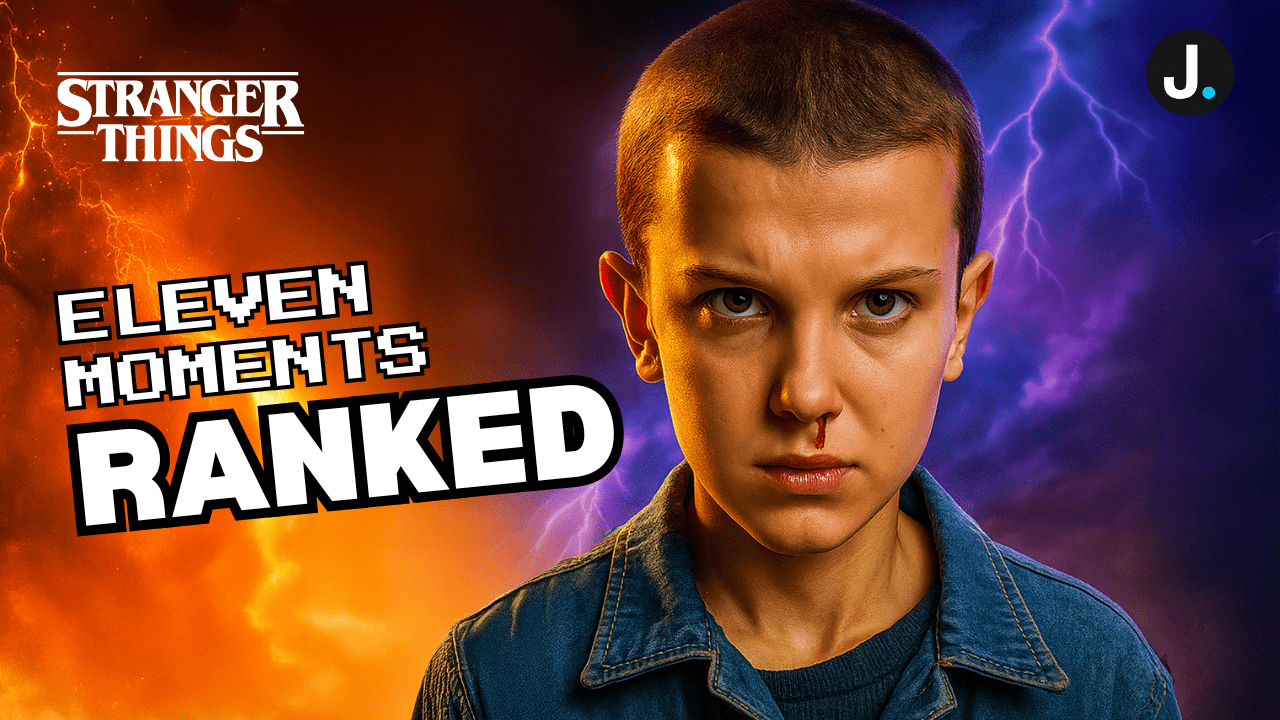
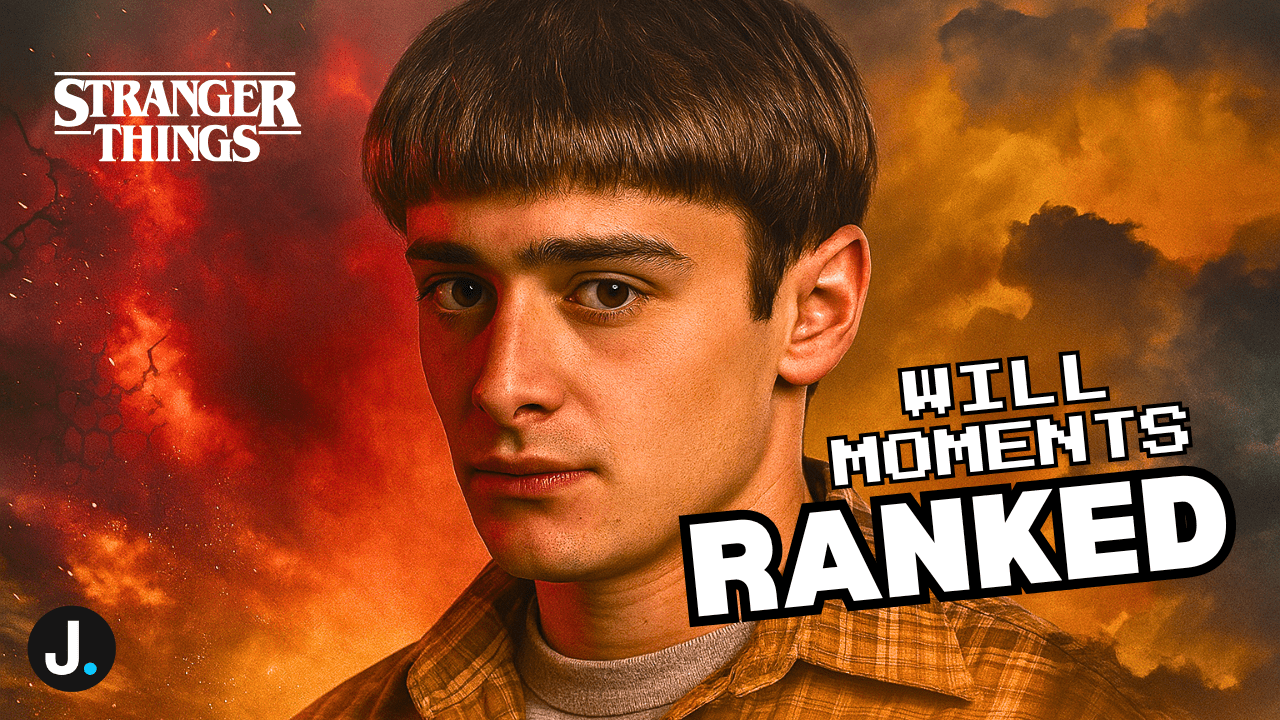
Part of the show’s brilliance lies in its ability to weave genuine suspense with warm, heartfelt storytelling. The children of Hawkins—Mike, Dustin, Lucas, and the indomitable Eleven, played by Millie Bobby Brown—became symbols of bravery and friendship, facing unimaginable horrors with a mix of courage and vulnerability that resonated with viewers of all ages. Their adventures were rooted in the universal experiences of growing up: feeling misunderstood, forging bonds that feel unbreakable, and learning to confront fears both supernatural and personal. In a way, the show gave audiences the kind of emotional resonance that only great storytelling can achieve, making the Upside Down as emotionally gripping as it was terrifying.
The Enduring Impact of Stranger Things on Modern Television
Fast forward to 2021, and the reverberations of Stranger Things were impossible to ignore. BBC Culture assembled a formidable panel of 206 critics, academics, and industry professionals to assess the greatest TV series of the 21st century. Emerging at number 68, the show’s placement reflects not merely fan enthusiasm but widespread critical recognition of its creative ingenuity and cultural resonance.
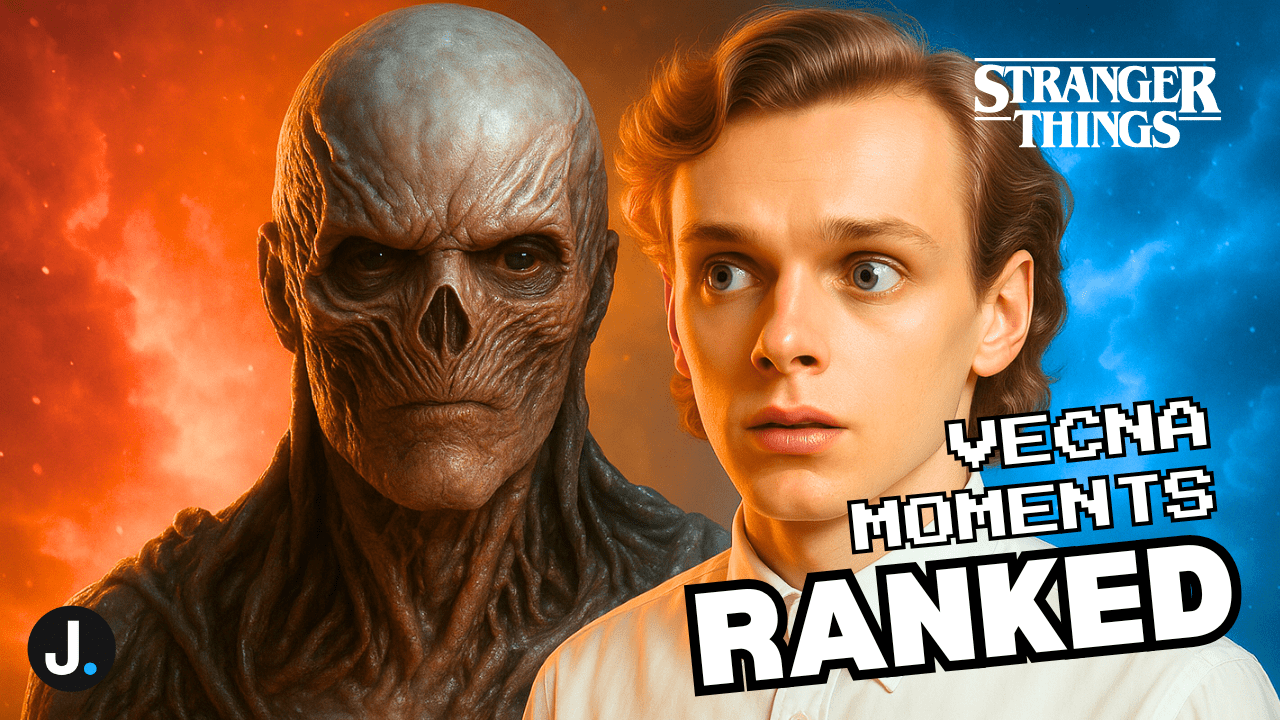
The Duffer Brothers’ genius is in the seamless fusion of genres. Drawing from Stephen King’s narrative sensibilities, Spielbergian adventure, and an encyclopaedic knowledge of 1980s pop culture—from Dungeons & Dragons to walkie-talkies and synthesiser-heavy soundtracks—they crafted a universe that feels simultaneously familiar and thrillingly original. The show’s monsters, from the Demogorgon to Vecna, are terrifying not just for their physicality but for the way they symbolise human fears, trauma, and societal anxieties. By anchoring supernatural events in the relatable experiences of Hawkins’ residents, the series ensures that its horror hits with real emotional weight, making every jump scare feel consequential.
This narrative approach also underscores the series’ profound influence on contemporary television. It demonstrated that streaming platforms could deliver serialized storytelling with cinematic scope and cultural impact. Shows that followed have borrowed from its formula: balancing nostalgia with innovation, horror with heart, and spectacle with character-driven drama. The children of Hawkins have become a template for ensemble casts in genre television, proving that young actors can carry complex, emotionally rich narratives that appeal to audiences across generations.
Stranger Things 5 and the Series’ Legacy
As we edge closer to November 2025, when Stranger Things 5 finally drops, the weight of the series’ legacy adds a palpable layer of excitement. Fans have been speculating endlessly: How will Eleven harness her powers in the final confrontation? Will the remaining Hawkins crew survive the climactic horrors of the Upside Down? More broadly, how will the show tie together its rich tapestry of friendships, romances, and mysteries that have been brewing since the very first season?
Recognition by BBC Culture reinforces that Stranger Things is more than a bingeable Netflix hit—it is a milestone in 21st-century television. It proves that creative storytelling, when combined with cultural homage and strong characterisation, can resonate globally and endure across years without losing relevance. Each season has reinforced this ethos, and the fifth season promises to deliver on both narrative closure and emotional payoff.
Beyond the story itself, Stranger Things has influenced popular culture in tangible ways. From the resurgence of 1980s fashion trends to vinyl records, synthesiser-heavy music, and themed attractions like Horror Nights at Universal Studios, the show’s reach extends far beyond television screens. Its ability to spark nostalgia while remaining fresh keeps both fans and critics engaged, ensuring that Hawkins remains a touchstone of collective imagination.
In anticipation of Season 5, the ranking as one of the greatest TV series of the 21st century reminds us why Stranger Things endures: it entertains, it terrifies, and it resonates on a deeply human level. It stands as a testament to what happens when brilliant storytelling, technical mastery, and cultural literacy converge—a series that manages to be both a homage and a trailblazer.
As we prepare to return to Hawkins for one last ride through the Upside Down, it is clear that Stranger Things has secured its place in the pantheon of modern television. Its combination of nostalgic reverence, compelling characters, and imaginative storytelling has left an indelible mark, and even as the final chapter approaches, the series continues to inspire discussion, analysis, and sheer fan delight. Whether you first watched it in 2016 or are just discovering it, the legacy of Stranger Things reminds us of the power of television to capture hearts, evoke memories, and transport audiences to worlds both terrifying and extraordinary.