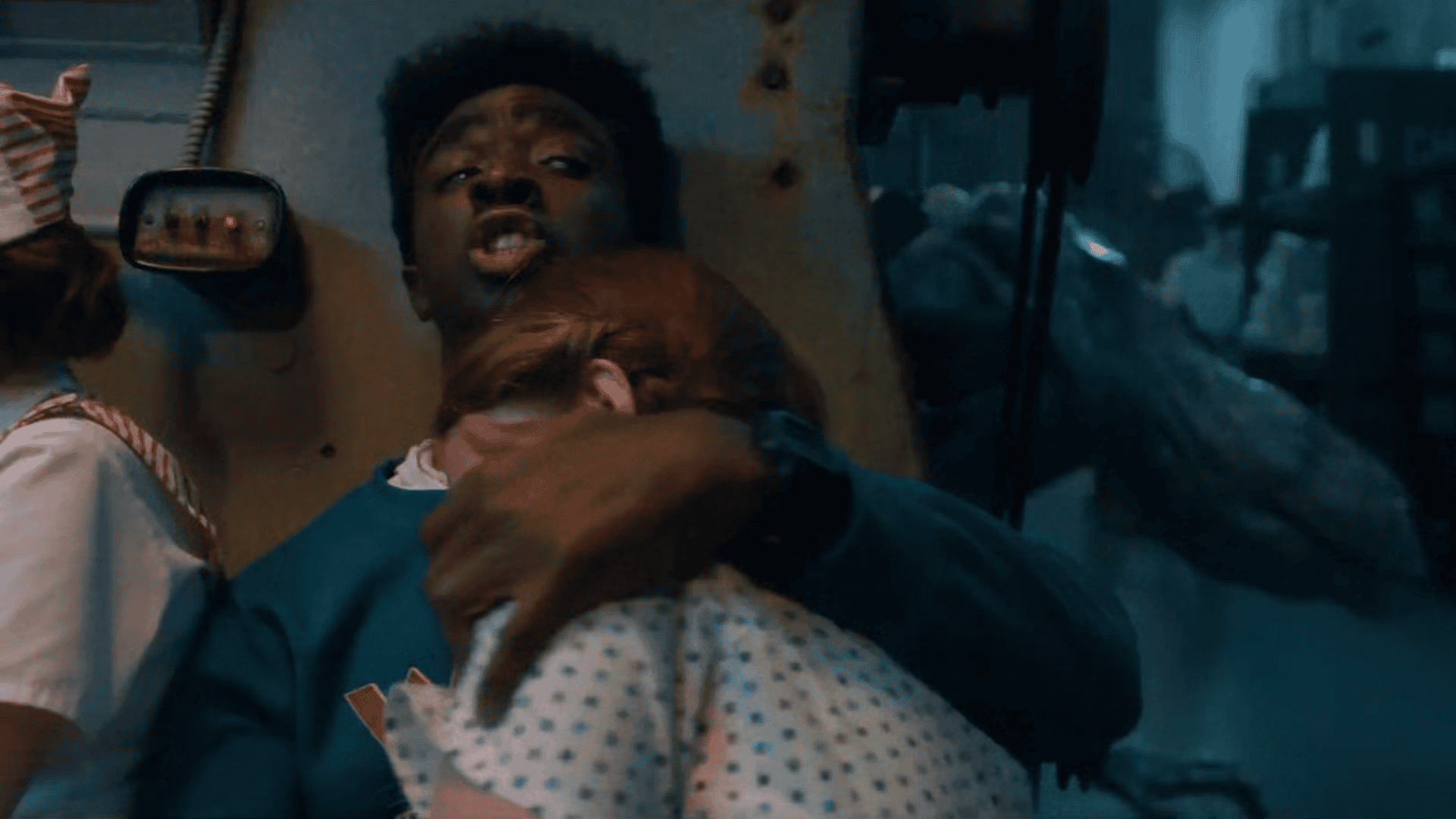
Walking into Hawkins feels like stepping into a time machine. From the moment viewers catch sight of the arcade games, posters, and familiar household objects, the 1980s bubble around them like a warm, slightly neon-hued embrace. This uncanny level of authenticity owes much to the tireless efforts of the props team, led by Lynda Reiss, who managed a $220,000 budget to source genuine vintage items, primarily from eBay and local flea markets. It’s a staggering sum, but one that speaks volumes about the show’s commitment to recreating a believable world.
The Duffer Brothers, creators of Stranger Things, have consistently emphasised the role props play in creating nostalgia. “Everything from the clothes to the hair to the toys they use seems plucked right from the ’80s, and that’s because they really are,” they have noted. For fans, spotting these authentic touches—whether it’s a classic Walkman, a Rubik’s Cube, or a toy Millennium Falcon—adds a layer of joy to the viewing experience. It’s the difference between watching a period drama and feeling like you’ve been handed a direct invitation to relive your childhood—or discover it anew.
Finding original items from the 1980s, however, is no easy feat. Flea markets can be treasure troves, but also wild goose chases, with the perfect item often hidden among decades of dust and chaos. eBay becomes a crucial lifeline, yet competition for authentic pieces drives prices up, explaining the sizeable budget Reiss and her team commanded.
How Stranger Things Props Transport Fans Back to the 1980s
While the props team focused on authenticity, there were practical challenges that demanded creative solutions. Actors, especially the younger cast members, naturally grew and changed over filming periods, making standard period clothing impractical. This led to a combination of sourced items and custom garments. Reiss and her team had to ensure continuity, often tailoring outfits to match original designs while allowing room for growth, a delicate dance that kept the immersive illusion intact.
Take the Millennium Falcon prop as an example. While it wasn’t the original 1980s stickered version that collectors might recognise, its inclusion perfectly captured the essence of the decade’s toy culture, ensuring that viewers felt the authenticity even if the details were slightly updated for practicality. These decisions—blending sourced and custom-made items—highlight the team’s dedication to storytelling over mere replication. Every choice reinforced the sense that Hawkins was a lived-in world, populated by characters whose surroundings felt natural rather than stage-managed.
Props extend beyond toys and clothing. Everyday items like telephones, soda cans, cereal boxes, and household appliances were meticulously sourced or recreated to ensure period accuracy. These details are often subtle, but they resonate profoundly with viewers who remember—or have romanticised—the era. Every object tells a story, reinforcing the narrative and the emotional stakes of the series.
The Unsung Heroes Behind Stranger Things’ Nostalgia
While monsters, suspense, and supernatural twists often dominate discussions about Stranger Things, the props team’s work is arguably just as central to its success. By sourcing genuine 1980s items and creating bespoke solutions when necessary, Lynda Reiss and her team allowed the Duffer Brothers to craft a universe that feels alive, textured, and undeniably nostalgic.
The importance of these details is particularly apparent when considering the show’s international appeal. For viewers who didn’t grow up in the 1980s, the meticulously recreated props provide an education in the era’s culture, while for those who did, they evoke a sense of memory and longing. The props act as both anchors and portals: grounding the supernatural elements in a familiar reality, and transporting audiences directly into the heart of Hawkins.
As Stranger Things 5 approaches, it’s worth appreciating how these small, painstaking choices contribute to the larger storytelling experience. Every object, every toy, and every garment carries weight. They create a tactile sense of reality that makes the Upside Down feel all the more frightening, the friendships all the more authentic, and the victories all the more satisfying.
Fans can marvel at the fact that behind the chilling suspense and heartwarming camaraderie lies a team of dedicated artisans scouring eBay listings, negotiating flea market bargains, and custom-tailoring garments to perfection—all to ensure that Hawkins feels as real as possible.
The $220,000 budget may seem extravagant, but it’s a testament to the lengths Stranger Things goes to for authenticity. It’s not just nostalgia; it’s a careful curation of objects, textures, and visual storytelling that allows the show to transcend simple television and become an immersive cultural experience. From the Millennium Falcon to vintage clothing, each piece strengthens the show’s sense of place, history, and heart.
As audiences prepare to return to Hawkins for the series’ climactic fifth season, the unseen heroes behind the props deserve recognition. Their commitment ensures that every toy, garment, and gadget feels like it belongs, building a world that captivates viewers as much through its tangible reality as through its supernatural thrills.
In celebrating Stranger Things, it’s impossible to overlook the artistry behind its sets and props. The universe feels complete not just because of the monsters or story arcs, but because of the careful, obsessive love poured into recreating a decade. For fans old and new, this level of detail is part of the magic—a reminder that the heart of Hawkins beats in every object, from a child’s toy to the clothes hanging in a bedroom closet.