As fans anxiously anticipate the release of Stranger Things Season 5 this November, it’s fascinating to rewind to a moment in 2017 that marked a seismic shift in Netflix viewership patterns. According to a report from marketing analytics firm Jumpshot, Stranger Things Season 2 didn’t just perform well—it overtook Daredevil Season 2, a show that had previously claimed dominance in Netflix’s original content hierarchy.
Jumpshot, which analyses click-stream data from more than 100 million consumers in the United States, revealed that the sophomore season of the Hawkins saga secured its place as the seventh-most viewed Netflix season within the first 30 days of release. Even more compelling, it captured slightly more than 20% of the audience that tuned into Daredevil’s second season. For a series steeped in 1980s nostalgia, horror, and sci-fi, this was a remarkable demonstration of cross-generational appeal.
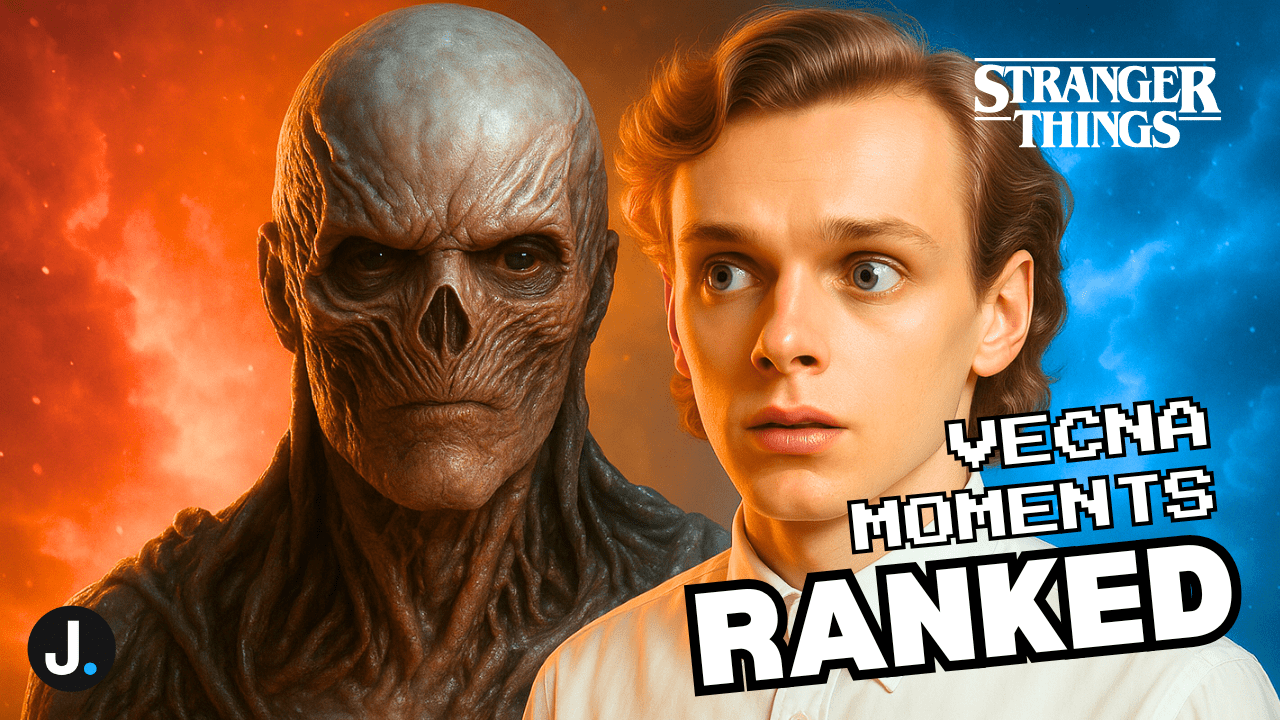
By focusing on U.S. Netflix subscribers who had watched at least one episode of each season, Jumpshot’s findings highlighted an emerging trend: audiences were gravitating toward content that blended supernatural suspense with relatable human stories. While Daredevil offered a sleek, comic book-inspired world with brooding heroes and tightly choreographed fight sequences, Stranger Things offered small-town intimacy, endearing characters, and the constant thrill of facing otherworldly threats. The data proved that sometimes, a Demogorgon chasing a bunch of kids through the woods could outperform the gritty machinations of a masked vigilante in Hell’s Kitchen.
Numbers tell a story, but in the case of Stranger Things, culture tells an even richer one. The success of Season 2 went far beyond clicks and streams—it was a phenomenon that resonated with fans on multiple levels. Combining nostalgic 1980s aesthetics, a pulse-pounding horror atmosphere, and a young ensemble cast that viewers couldn’t help but root for, the series created a universe that fans could immerse themselves in entirely.
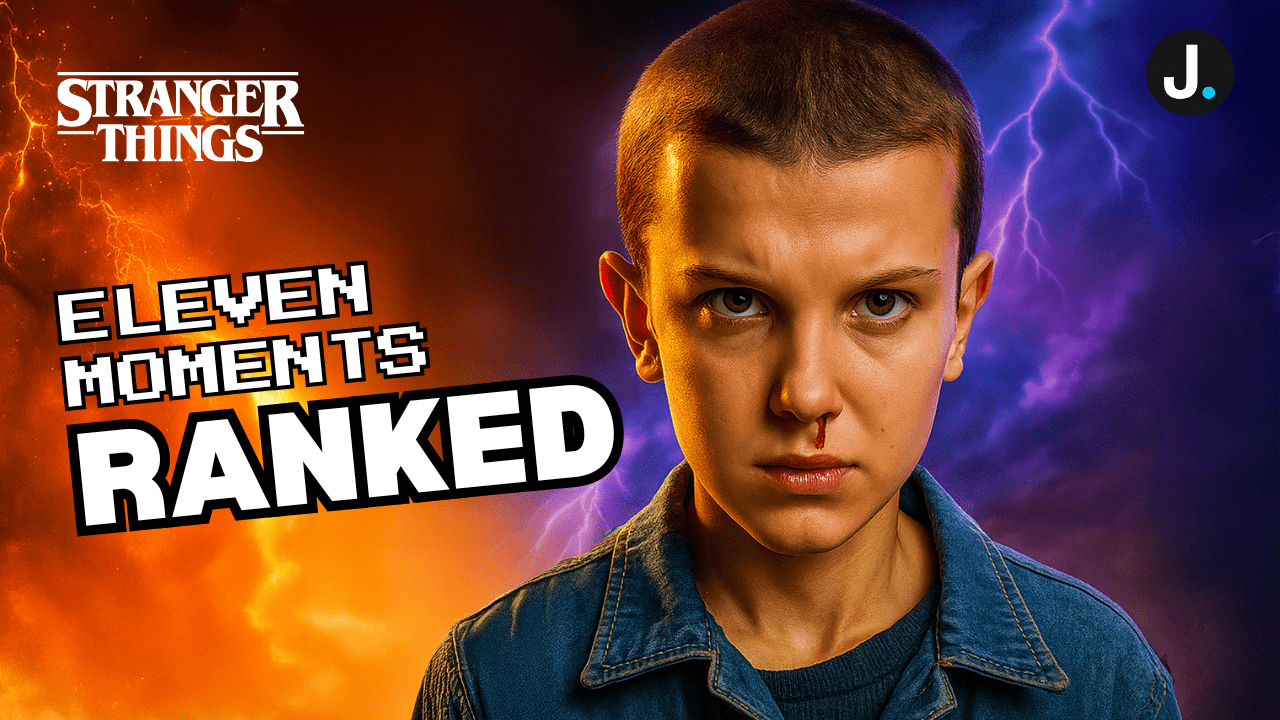
Characters like Eleven (Millie Bobby Brown), Mike (Finn Wolfhard), and Dustin (Gaten Matarazzo) weren’t just part of a narrative—they became fixtures in the collective memory of viewers. Whether it was riding through Hawkins on a BMX, deciphering clues from the mysterious Upside Down, or confronting the Mind Flayer, the show wove suspense and adventure into moments that felt personal. Social media conversations about Season 2 were ablaze with fan theories, artwork, memes, and nostalgic comparisons to classics like E.T., Stand By Me, and The Goonies.
The fact that Season 2 beat Daredevil is telling. While Marvel’s superhero narratives certainly attract dedicated audiences, Stranger Things carved a niche that fused the familiar and the fantastical, blending the supernatural and the everyday. Its cultural impact extended into merchandise, fashion, and even Halloween costumes, ensuring that Hawkins’ small-town drama was discussed as widely outside the screen as it was within it. Jumpshot’s data simply quantified what fans had long felt: Stranger Things was no longer just a series, it was a cultural touchstone.
Looking at this competition through a modern lens, the triumph of Stranger Things Season 2 over Daredevil Season 2 signals much more than a momentary spike in viewership—it reflects the evolution of audience expectations in the streaming era. In 2017, Netflix’s library was rapidly expanding, from prestige dramas to superhero epics, but content that could combine nostalgia, suspense, and character-driven storytelling clearly struck a chord.
The show’s ability to retain a dedicated audience underscores the importance of narrative universe building. While Daredevil relied on dark themes and familiar comic book storytelling, Stranger Things built an immersive world, where viewers could feel the chill of the Upside Down, empathise with the struggles of growing up, and indulge in the thrilling spectacle of supernatural encounters. Its strong fanbase and social media engagement created a feedback loop: viewers not only consumed content, they participated in discussions, theories, and creative expressions, deepening their investment.
As Stranger Things gears up for Season 5, this level of engagement and anticipation becomes even more critical. Streaming platforms are increasingly crowded, and the metrics from Season 2 reveal the strategic value of creating stories that resonate emotionally and culturally. The Duffer Brothers’ mastery in blending horror, humour, and heart has positioned the series to sustain interest even as competitors continue to launch new and flashy content.
Even for industry analysts, the lesson is clear: creating universes that people care about deeply—and not merely watching numbers tick up—is what drives long-term engagement. With the Upside Down looming once again in November, the stakes for capturing viewer attention are as high as ever. Season 2’s triumph over Daredevil serves as a blueprint for how Netflix can leverage emotionally resonant storytelling, nostalgia, and interactive fan culture to maintain dominance in an increasingly crowded streaming landscape.
The victory of Stranger Things Season 2 against Daredevil Season 2 illustrates the profound appeal of character-driven, nostalgia-infused storytelling in the streaming age. Beyond the numbers, it represents the power of shared experiences and cultural connection, showing how a show about a small town battling otherworldly horrors can leave a gigantic footprint on global viewing habits. As November approaches, and Season 5 promises to deliver new twists, revelations, and battles with the unknown, the audience that propelled Season 2 past Daredevil is ready to dive back into Hawkins.
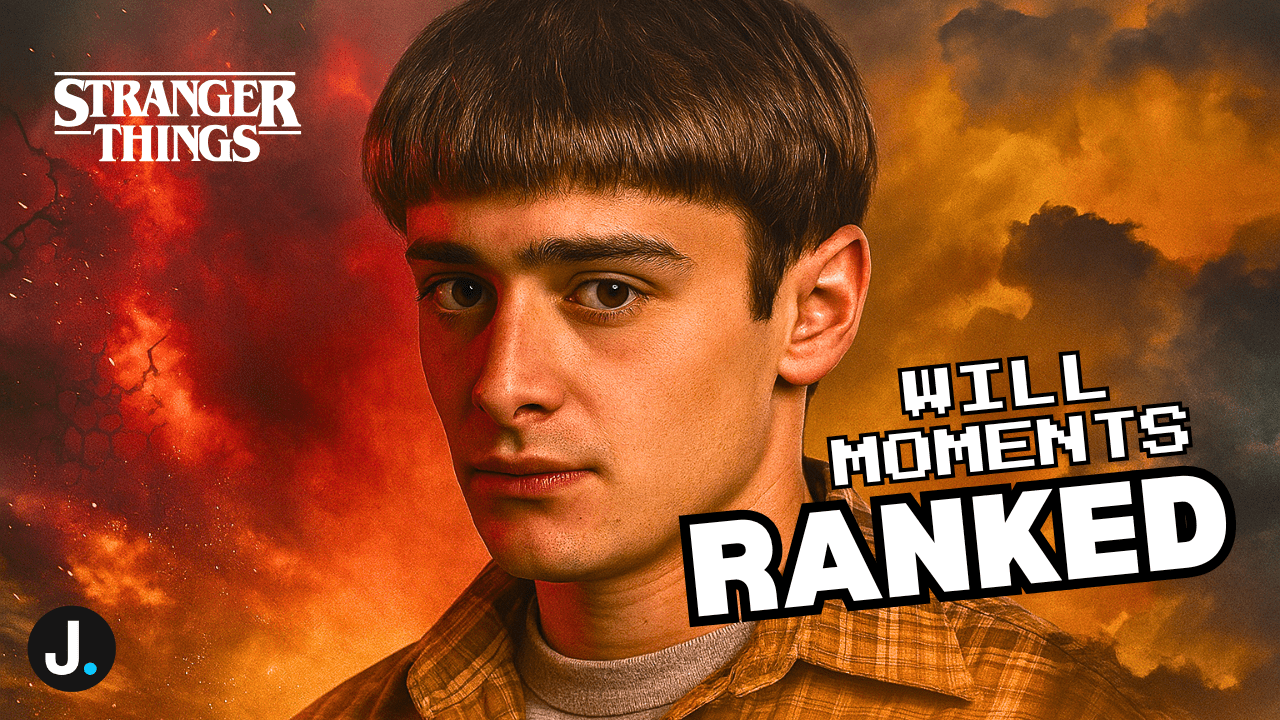
Whether it’s the thrill of running from a Demogorgon, deciphering Will Byers’ cryptic messages, or speculating about the fate of beloved characters, the story of Stranger Things continues to unfold in living rooms, on social feeds, and across pop culture discourse. The data from 2017 is no mere footnote—it’s a harbinger of the cultural juggernaut that Stranger Things has become, and a reminder that in the streaming wars, emotional resonance and world-building can outweigh even the flashiest superhero feats.