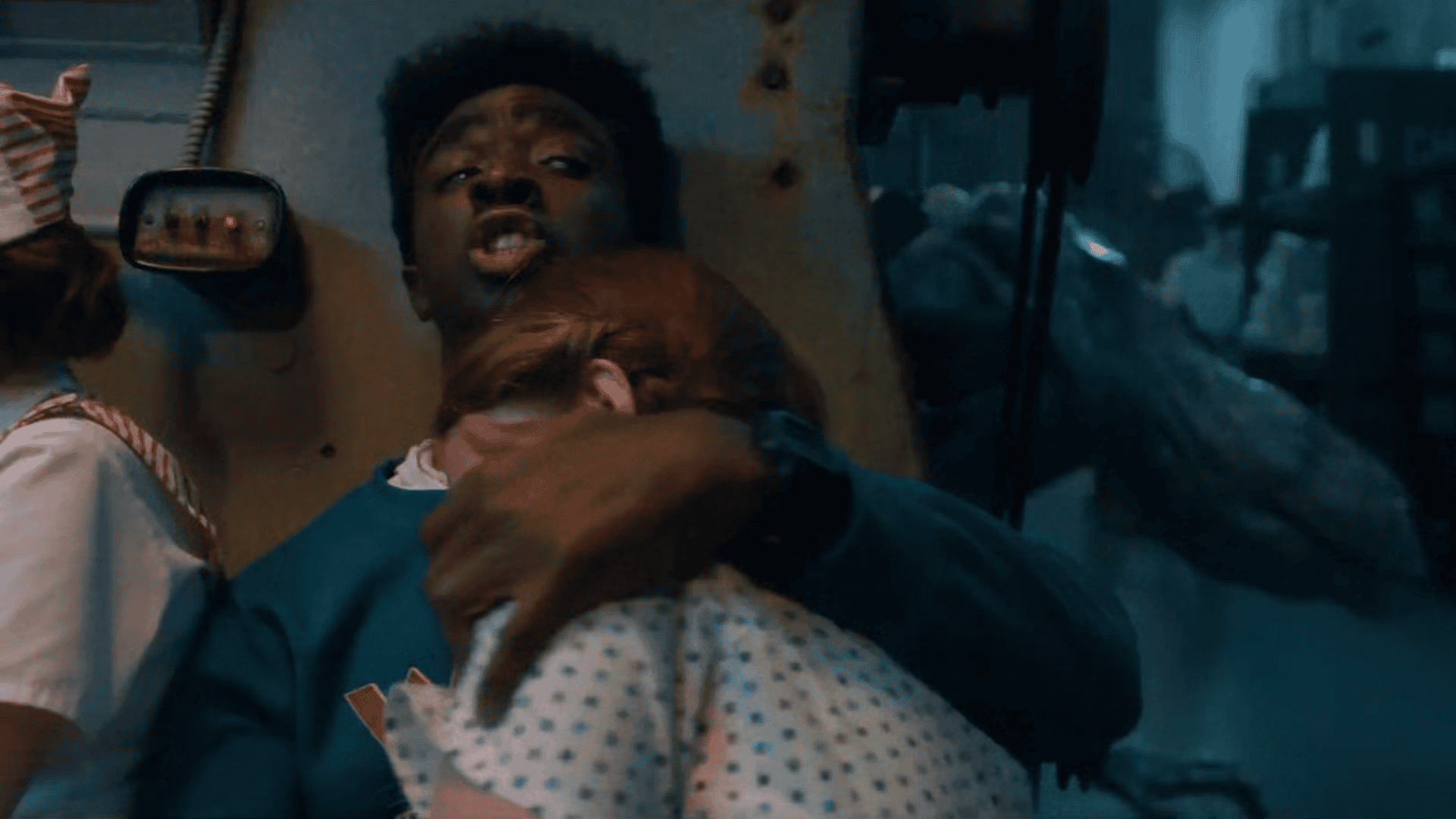
Long before the scripts for Season 3 were finalised, the Duffer Brothers toyed with a thrillingly audacious concept: the Mind Flayer storming a Fourth of July parade. Just imagine it. Hawkins, Indiana, bathed in red, white, and blue, strings of bunting fluttering in the warm summer breeze, children clutching ice cream cones, and fireworks bursting in the sky. Then, somewhere amid the jubilation, the Mind Flayer crashes through the festivities, a monstrous presence that obliterates the idyllic American tableau in a single terrifying sweep.
In the pitch documents, the parade rampage was described as both radical and fitting for the season’s backdrop. The Duffer Brothers understood the dramatic potential: juxtaposing innocent childhood fun with apocalyptic horror creates a tension that resonates with viewers at a gut level. It’s the very essence of what makes Stranger Things so compelling—a collision of nostalgia and fear, of summer adventure and supernatural menace.
Despite the thrilling nature of the idea, as production loomed, the scene was cut. According to the creators, “We’ve always believed in balancing the light and dark, and sometimes that means making difficult choices about which ideas best serve the overall narrative arc.” The decision highlights their meticulous approach: while spectacle excites, it must always serve the story and the characters, not overshadow them.
Even though fans never saw the Mind Flayer shredding its way through the parade, the concept alone adds a fascinating layer to understanding the show’s narrative strategy. Thematically, a Fourth of July rampage would have reinforced the ongoing tension between innocence and menace—a core principle of Stranger Things. Childhood in Hawkins is rarely safe, and the series thrives on the intrusion of horror into everyday life. Fireworks, a symbol of celebration, would have clashed starkly with the darkness of the Upside Down, amplifying the emotional stakes without a single line of dialogue.
By cutting scenes like this, the Duffer Brothers demonstrate an unwavering commitment to story coherence and character development. The tension and suspense are carefully calibrated, allowing viewers to connect emotionally with the ensemble cast rather than being overwhelmed by spectacle alone. Consider the arc of Mike, Eleven, Dustin, and the rest of the gang: their experiences, friendships, and growth are more impactful when horror doesn’t simply destroy everything around them, but instead interacts meaningfully with their struggles.
In this context, the abandoned Fourth of July scene is emblematic of the showrunners’ artistic discipline. They understand that narrative momentum often hinges on subtlety. Horror that builds gradually, that intersects with emotional beats and character-driven decisions, resonates more powerfully than a shock-and-awe moment, no matter how visually spectacular it might be. The Mind Flayer’s unseen parade attack exists in the realm of imaginative potential, a tantalising “what if” that reminds fans of the creativity at work behind every frame of Stranger Things.
Reflections Ahead of Stranger Things Season 5
As the countdown to November 2025 continues, reflecting on ideas that didn’t make it to the screen—like the Fourth of July Mind Flayer rampage—heightens excitement for what’s to come. Every cut, every abandoned subplot, and every pivot in storytelling provides insight into how the Duffer Brothers shape and refine the world of Hawkins. It’s a process that ensures every scene in the finished series carries weight, purpose, and emotional resonance.
Fans of Stranger Things have long appreciated the show’s blend of nostalgia, horror, and coming-of-age drama, but examining these behind-the-scenes decisions illuminates a layer of craftsmanship that often goes unnoticed. The parade idea serves as a reminder that the Upside Down is a malleable landscape, full of possibilities that extend beyond what viewers see on screen. It’s a playground for imagination, where writers weigh spectacle against story, and where the tension between horror and heart is carefully curated.
Season 5 promises to carry forward this ethos, balancing large-scale threats with character-driven stakes. The Mind Flayer’s aborted Fourth of July attack invites speculation: could the next season explore similarly dramatic moments, pushing Hawkins to the brink while maintaining the emotional core that has made the series endure? It’s the kind of curiosity loop that keeps fans glued to forums, fan art communities, and social media, theorising, predicting, and imagining the wildest possible scenarios that could unfold.
Ultimately, the tale of the Mind Flayer’s parade fiasco is a testament to the show’s layered storytelling. It demonstrates how Stranger Things thrives in the space between realised narrative and creative potential, showing that what the audience doesn’t see can be just as compelling as what they do. Every abandoned idea, every pivot, and every refinement underscores the thoughtful artistry of the Duffer Brothers, reminding fans that the universe of Hawkins is as rich and unpredictable as the Upside Down itself.
For viewers preparing to revisit Hawkins for Season 5, this reflection offers a deeper appreciation of the series’ craft. It reveals the delicate balance between horror, nostalgia, and character development that underpins the show’s success, and it sparks excitement for how the Duffer Brothers will continue to surprise audiences. After all, if a Fourth of July rampage can be imagined, who’s to say what imaginative heights the final season might achieve? The potential for chaos, heroism, and heart-pounding adventure in Hawkins remains boundless, ensuring that Stranger Things will continue to captivate, terrify, and delight fans across the globe.