The release of Stranger Things Season 4 was, by all accounts, a high-wire act. Fans settled in to binge the supernatural thrills of Hawkins, oblivious to the fact that many visual effects shots were still being polished even as the episodes went live. The COVID-19 pandemic had wreaked havoc on production schedules across Hollywood, and the Duffer Brothers’ ambitious sci-fi epic was no exception. Filming and post-production extended eight weeks beyond the original plan, creating a tense crunch for the VFX team tasked with bringing the Upside Down and its monstrous inhabitants to life.
Netflix’s solution involved shuffling resources and bringing in VFX editors from other ongoing projects to meet deadlines. This strategic move was vital in ensuring that the release date remained intact, underscoring the platform’s commitment to both its viewers and the integrity of the show. It’s a behind-the-scenes glimpse into the immense coordination required to keep a multi-layered series on track during extraordinary circumstances.
Despite the pressures, the Duffer Brothers maintained creative oversight, prioritising the audience experience while allowing some flexibility in when and how the final visual effects were completed. The result was a season that did not compromise on spectacle, even if the team was racing against time behind the scenes.
Netflix’s approach to the VFX workflow for Season 4 was unusual, and somewhat revolutionary in its flexibility. Some visual effects shots were updated during the initial release weekend—a rare occurrence for a platform known for its polished, final deliveries. Even by the time the second volume dropped, a number of shots were still receiving final tweaks, with some completed as late as the morning of June 30, 2022, just one day before viewers pressed play.
In fact, the season finale hit the streaming platform with roughly 20 unfinished visual effects shots. To the average viewer, these were imperceptible, but for the VFX team, it was an extraordinary feat of coordination, precision, and perseverance. Typically, post-production and effects work are locked weeks, if not months, ahead of release. Season 4 flipped that model, demonstrating how necessity and dedication can bend even the most rigid schedules in the name of storytelling.
The process highlighted a rarely discussed aspect of modern streaming: the fluidity of content updates. While fans might associate Netflix with “ready-to-watch perfection,” the reality is that last-minute artistry often shapes the experience we ultimately consume. The Duffer Brothers’ willingness to allow iterative improvements during and after release reflected both trust in their VFX team and an understanding of the ever-evolving nature of high-end visual effects.
The Scale of Stranger Things Season 4's Visual Effects
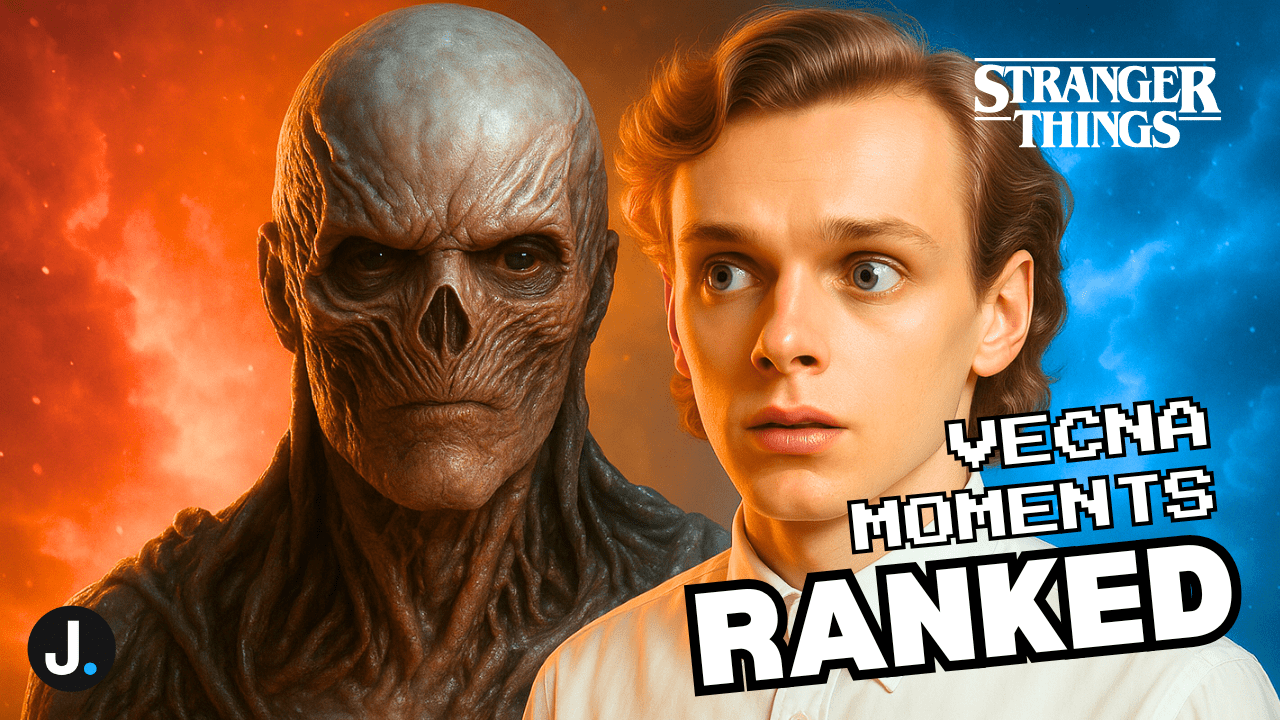
Even with time constraints, the scale of the visual effects in Season 4 was unprecedented for the series. The two-and-a-half-hour finale alone featured more VFX shots than the entirety of Season 3. From Vecna’s terrifying manifestations to the otherworldly landscapes of the Upside Down, every frame carried layers of artistry designed to immerse the audience fully in Hawkins’ supernatural chaos.
The VFX team’s commitment did not end once the episodes were released. For weeks afterward, updates continued at the Duffer Brothers’ request, refining the imagery and perfecting the world’s menacing details. This extended post-release work reflects the meticulous care invested in the series, ensuring that fans received the highest quality viewing experience even under tight deadlines.
Beyond the spectacle, the work also demonstrates the collaborative nature of filmmaking in a global crisis. Teams adapted to remote workflows, pandemic constraints, and unprecedented production pressure, all while maintaining the narrative coherence and visual integrity fans expect. The behind-the-scenes story of Season 4’s visual effects is a testament to resilience, teamwork, and creative problem-solving.
Watching Stranger Things is easy. Appreciating the monumental effort behind it is a little harder, but just as vital. The VFX challenges faced during Season 4—from COVID-induced delays to rendering shots mere hours before release—highlight how modern television productions are feats of endurance, creativity, and technical mastery. Fans anticipating Season 5 can take comfort in knowing that the team behind the scenes remains as dedicated and innovative as the heroes and monsters on screen.
In Hawkins, the Upside Down may be ever-threatening, but behind the camera, the real magic comes from human ingenuity, collaboration, and an unyielding commitment to storytelling. Season 4’s release under these conditions will be remembered not only for its narrative twists and terror, but also as a landmark example of how perseverance and artistry can triumph against seemingly impossible odds.
As we count down to the thrilling events of November 2025, the story of Season 4’s VFX production reminds us that every shadowy corner, monstrous reveal, and cinematic flourish is the result of thousands of unseen hours and boundless passion. In the world of Stranger Things, the dangers of the Upside Down may be terrifying, but the real-world heroics of the VFX team are nothing short of awe-inspiring.