When Stranger Things returned for Season 4, fans were met with its darkest and most chilling chapter yet. While the show had previously flirted with horror tropes—the Demogorgon, the Mind Flayer, the Upside Down—Season 4 fully embraced the genre, leaning into a tone reminiscent of classic 1980s terror. Central to this shift is Victor Creel, portrayed by Robert Englund, whose presence immediately signals a bridge between Hawkins’ haunted past and the horrors plaguing its teenagers today.
Victor Creel is introduced in Episode 2, steeped in tragedy. Blamed for the brutal deaths of his wife and children in 1959, Creel’s story has become a town legend. The Creel house, long abandoned, carries the weight of this horrific history, a setting dripping with gothic menace and subtle references to cinematic horror. In Season 4, the narrative cleverly positions Victor not simply as a villain but as a tragic figure, entwined with Vecna’s current reign of terror. The interplay of horror, empathy, and mystery enriches Hawkins’ supernatural tapestry, offering layers for fans to unpack as they piece together Vecna’s rise.
Rumours among the fanbase and subtle storytelling cues hint at potential links between Creel and Vecna, suggesting that Englund’s character may have played a role in setting the stage for the Upside Down’s increasing influence. For the horror aficionado, the visual and narrative nods to A Nightmare on Elm Street are impossible to ignore: the show’s depiction of nightmarish sequences, eerie room distortions, and the psychological torment of characters mirrors Freddy Krueger’s haunting legacy. Englund, as the very embodiment of that genre’s golden era, makes the homage feel both respectful and terrifyingly immersive.
Robert Englund’s Joins Stranger Things As Victor Creel
Few actors carry the weight of a horror legacy as heavily as Robert Englund, whose portrayal of Freddy Krueger cemented him as a cultural icon. In Stranger Things, Englund channels this experience into Victor Creel, crafting a character that oscillates between menace and sorrow. Far from a one-dimensional monster, Victor is layered with emotional depth, recounting his family’s demise in a way that evokes both fear and empathy.
One of the season’s standout sequences occurs at Pennhurst Mental Asylum, where Nancy (played by Natalia Dyer) and Robin (portrayed by Maya Hawke) confront Creel. Englund delivers a monologue that is haunting in both its tone and its content, detailing loss, grief, and regret. The performance challenges viewers to reconsider the archetypal horror villain, presenting a figure shaped by circumstance rather than pure malice.
Interestingly, Englund initially auditioned for the role of Mayor Larry Kline but ultimately found his way to Victor Creel—a casting choice that feels almost predestined. His audition, performed in the casual comfort of his own bathtub, exemplifies the creative freedom embraced by the Stranger Things production team and highlights how serendipity often shapes iconic casting decisions. Even in a relatively brief arc, Englund’s presence leaves a lasting impression, setting up narrative threads that could echo into Season 5 and beyond.
Season 4 is Stanger Things’ Darkest Chapter Yet
Stranger Things has always worn its 1980s influences proudly, from its soundtrack to its costumes, but Season 4 deepens this homage with explicit connections to horror cinema. Victor Creel’s haunted home, the tragic backstory, and his interactions with Nancy and Robin all evoke classic horror imagery and storytelling techniques. The series pays tribute to films like A Nightmare on Elm Street while forging its own path, blending supernatural mystery with character-driven horror.
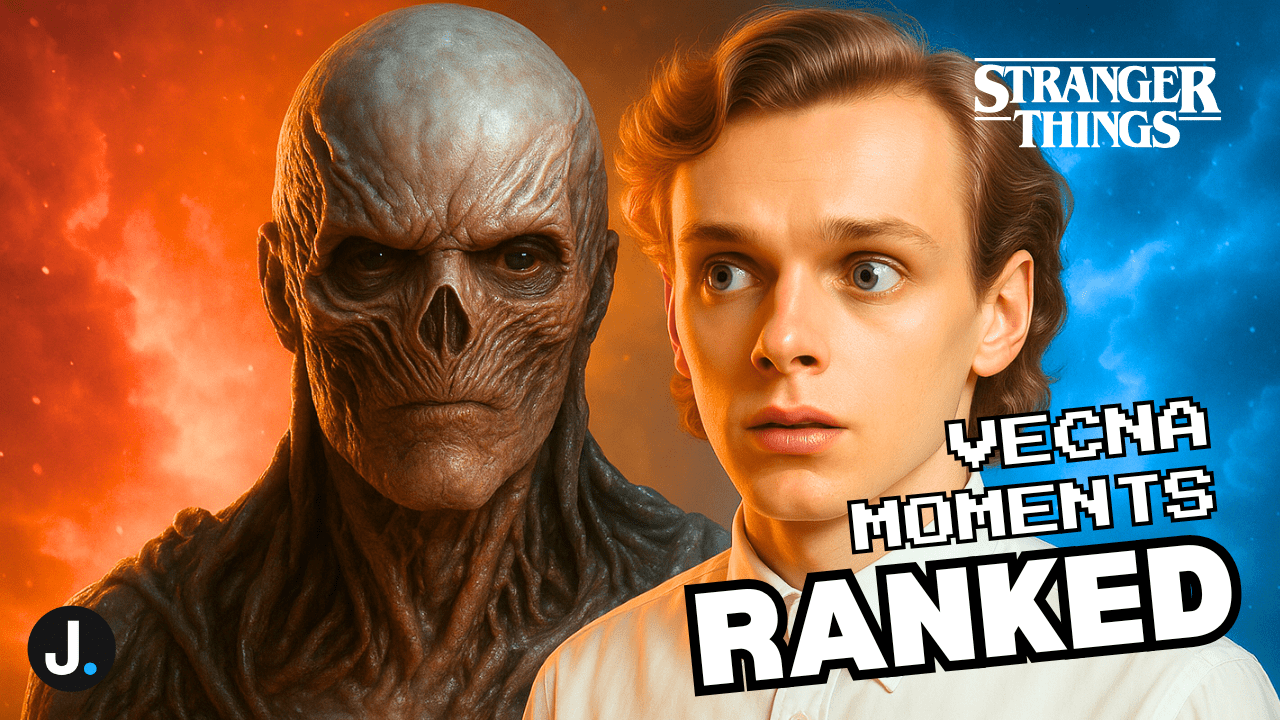
Vecna’s reign over Hawkins’ youth mirrors the psychological terror of classic horror antagonists, drawing parallels to the nightmare-inducing methodologies of Freddy Krueger. Englund’s embodiment of Victor Creel reinforces this connection, turning Hawkins into a modern stage where old-school horror meets contemporary narrative sophistication. Fans, both nostalgic and new, are treated to a layered experience: tension, dread, empathy, and the thrill of discovering hidden references to 1980s pop culture scattered throughout the season.
Beyond the scares, Victor Creel’s story underscores the show’s commitment to exploring trauma, consequence, and empathy. By blending classic horror motifs with emotional depth, Season 4 elevates the stakes for Hawkins’ inhabitants and expands the narrative richness of the Upside Down. Englund’s performance, alongside the Duffer Brothers’ storytelling vision, ensures that horror in Stranger Things remains both terrifying and profoundly human.
As fans eagerly await Season 5, the legacy of Victor Creel continues to ripple through the Hawkins narrative. Englund’s chilling yet poignant portrayal leaves an indelible mark, intertwining horror tradition with the evolving mythos of the Upside Down. Stranger Things Season 4 proves that the show can pay tribute to the horror greats while charting its own terrifyingly inventive path, ensuring that both new viewers and die-hard fans remain on edge. From the haunted halls of the Creel house to the nightmare-inducing machinations of Vecna, the echoes of 1980s horror reverberate across Hawkins, leaving audiences anticipating what comes next with bated breath.
Whether Victor Creel returns or his story remains a dark whisper in the town’s haunted lore, Robert Englund’s performance guarantees that Hawkins’ shadows are as memorable as any monster. The intertwining of horror history, nostalgic homage, and original storytelling solidifies Stranger Things as a modern masterclass in blending suspense, emotion, and cultural reverence—one season at a time.