When Stranger Things first arrived on screens in July 2016, it immediately captured the imagination of viewers and critics alike. The show’s combination of 1980s nostalgia, suspenseful storytelling, and an irresistibly charming ensemble made for a gripping debut. Yet, what many fans may not realise is that the Duffer Brothers—Matt Duffer and Ross Duffer—originally conceived the series as a miniseries, a self-contained story designed to wrap up after a single season.
The idea was for the series to function as either a limited anthology or a story that could pivot entirely to new characters in subsequent seasons. Early brainstorming included possibilities like setting a follow-up in the early 1990s, revisiting Hawkins with older versions of the original characters alongside fresh faces drawn back into supernatural chaos. This framework reflected the creators’ ambition to explore broader narratives beyond the first season, giving them the creative freedom to experiment with structure, tone, and characters without the constraints of a long-running series.
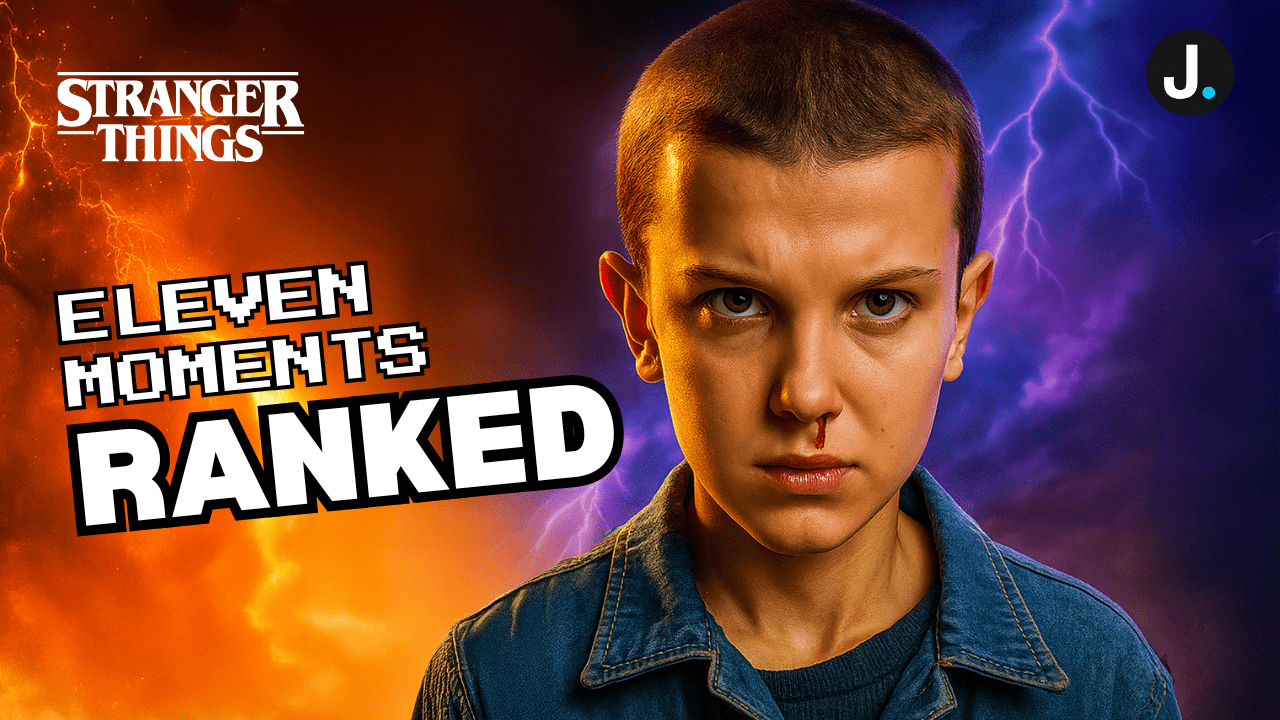
Yet, the Duffer Brothers quickly recognised something powerful: audiences were falling head over heels for the core cast, especially the young heroes navigating extraordinary circumstances. Characters like Eleven (Millie Bobby Brown), Mike (Finn Wolfhard), and Dustin (Gaten Matarazzo) resonated with viewers, forming emotional bonds that even the creators hadn’t fully anticipated. As the brothers later reflected, "The likability of the characters was key to the series' success," illustrating how viewer attachment can redirect the course of storytelling.
This pivot marked a turning point. Instead of starting anew with different characters and timelines, the Duffer Brothers chose to continue exploring Hawkins in 1984, maintaining continuity with the beloved ensemble. This decision allowed for expansive character development, emotional depth, and narrative complexity, turning a simple supernatural mystery into a layered saga that could evolve over multiple seasons.
The immediate success of Stranger Things made the decision to continue inevitable. By July 2016, mere weeks after the first season premiered, the Duffer Brothers had begun sketching ideas for what would become Season 2. The overwhelming fan response created a perfect storm for Netflix executives to act quickly.
Reed Hastings, Netflix’s CEO at the time, famously stated, "We would be dumb not to" renew the series. Such public confidence in a young show reflected both the platform’s awareness of its audience’s appetite and the industry-wide recognition that Stranger Things had struck gold. Official confirmation of Season 2 came on August 31, 2016, but as Matt Duffer explained, the delay was deliberate: "It worked because it had built up to this fever pitch." This carefully timed announcement not only amplified anticipation but also demonstrated Netflix’s savvy approach to audience engagement.
The network’s commitment allowed the Duffer Brothers to expand their storytelling ambitions while staying true to the essence of the series. Retaining the original cast provided continuity that ensured fans would remain emotionally invested. The creative latitude offered by Netflix also encouraged experimentation with tone, pacing, and mythology, paving the way for increasingly ambitious narrative arcs in Seasons 2 and beyond.
Reflecting on the trajectory of Stranger Things as we approach Season 5 in November 2025, it’s striking how quickly the series transformed from a planned miniseries into a global cultural phenomenon. The decision to extend the story beyond its original conception allowed the Duffer Brothers to craft a multilayered narrative rich with 1980s nostalgia, supernatural thrills, and deeply resonant character relationships.
The impact of this shift extends beyond television ratings. Stranger Things influenced fashion trends, inspired a vast array of merchandise, and generated fan communities that actively participate in theories, art, and online discussions. Its narrative flexibility enabled it to maintain suspense while developing characters across multiple seasons, ensuring that audiences stayed engaged over time.
The show’s journey illustrates a broader truth about creative media: initial plans, no matter how thoughtfully constructed, can evolve in response to audience reception and cultural momentum. The success of Stranger Things demonstrates that audience investment in characters, narrative depth, and imaginative world-building can redefine the trajectory of a series. The once-modest miniseries has become a landmark in streaming television, shaping expectations for genre storytelling and character-driven dramas.
The Duffer Brothers’ original vision may have been modest, but the explosive popularity of the series forced a reimagining that enriched the world of Hawkins and created a blueprint for the future of high-stakes, emotionally resonant television. As fans eagerly await Season 5, the story of Stranger Things serves as a reminder that sometimes, the most extraordinary journeys begin with the humblest of intentions—a miniseries that grew into a worldwide phenomenon, captivating hearts and shaping popular culture for years to come.