When Stranger Things dropped on Netflix in July 2016, it instantly felt like a love letter to everything great about 1980s pop culture. The bikes, the synths, the VHS haze—it all screamed retro cinema. But the most important part of its nostalgic DNA wasn’t just the references; it was how the show was made.
The Duffer Brothers, lifelong film nerds and lovers of old-school creature features, had one bold mission when crafting Hawkins and its horrors: to keep it as real and tactile as possible. They wanted rubber suits, latex blood, hand-built sets, and mechanical monsters that actors could actually touch. None of that over-slick CGI sheen. “We wanted to make everything real and physical,” Matt Duffer said, echoing the kind of practical magic that defined the likes of The Thing, Gremlins, and Jurassic Park.
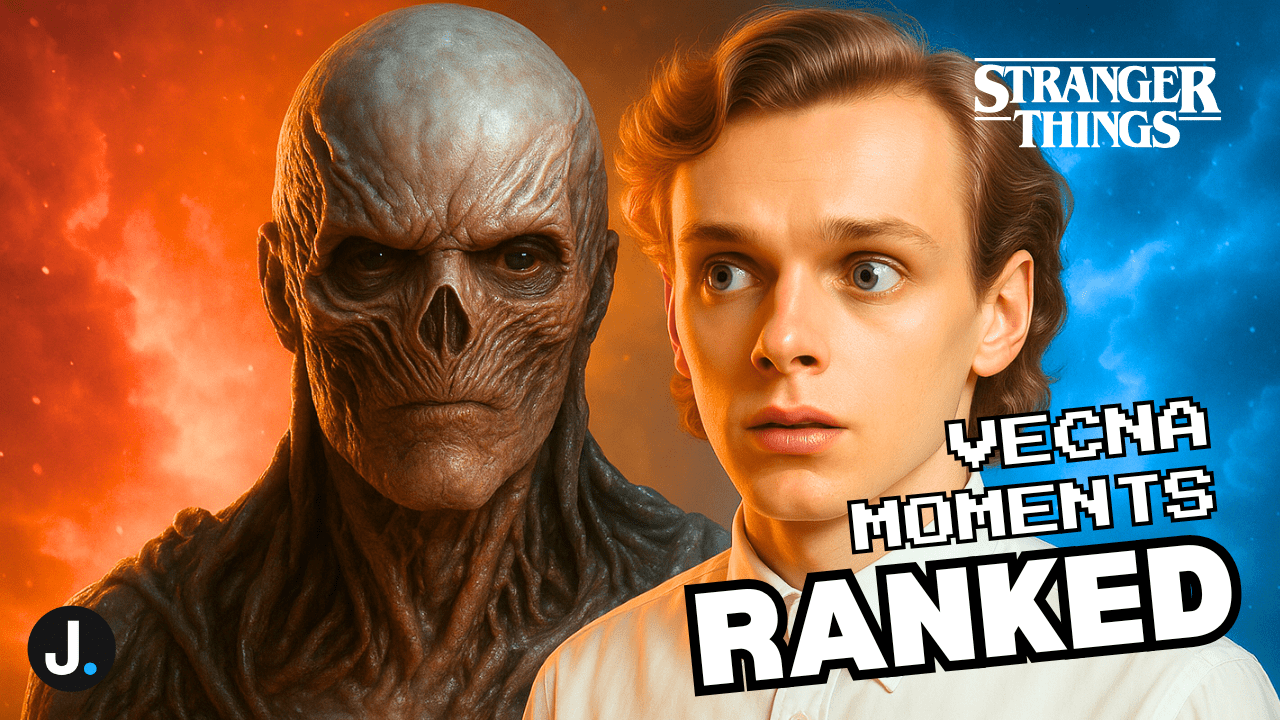
In the early days, the team actually built an animatronic version of the now-iconic Demogorgon—a towering humanoid creature with a flower-like head full of teeth and a movement style that screamed nightmare fuel. The puppet reportedly had intricate mechanics to mimic muscle tension and movement, a proper monster-movie dream straight from the 1980s playbook.
But dreams, even Hawkins-sized ones, come with a catch. Filming a show of this scale with practical effects alone would have required months of extra prep. The Duffers had just six months to get the first season filmed and polished, which left little time to fine-tune every prop, rig, and animatronic gag. Anyone who’s ever seen behind-the-scenes footage of Jaws knows that real monsters don’t always behave on cue. The Duffer Brothers faced the same kind of challenge—except their shark had petals for a face.
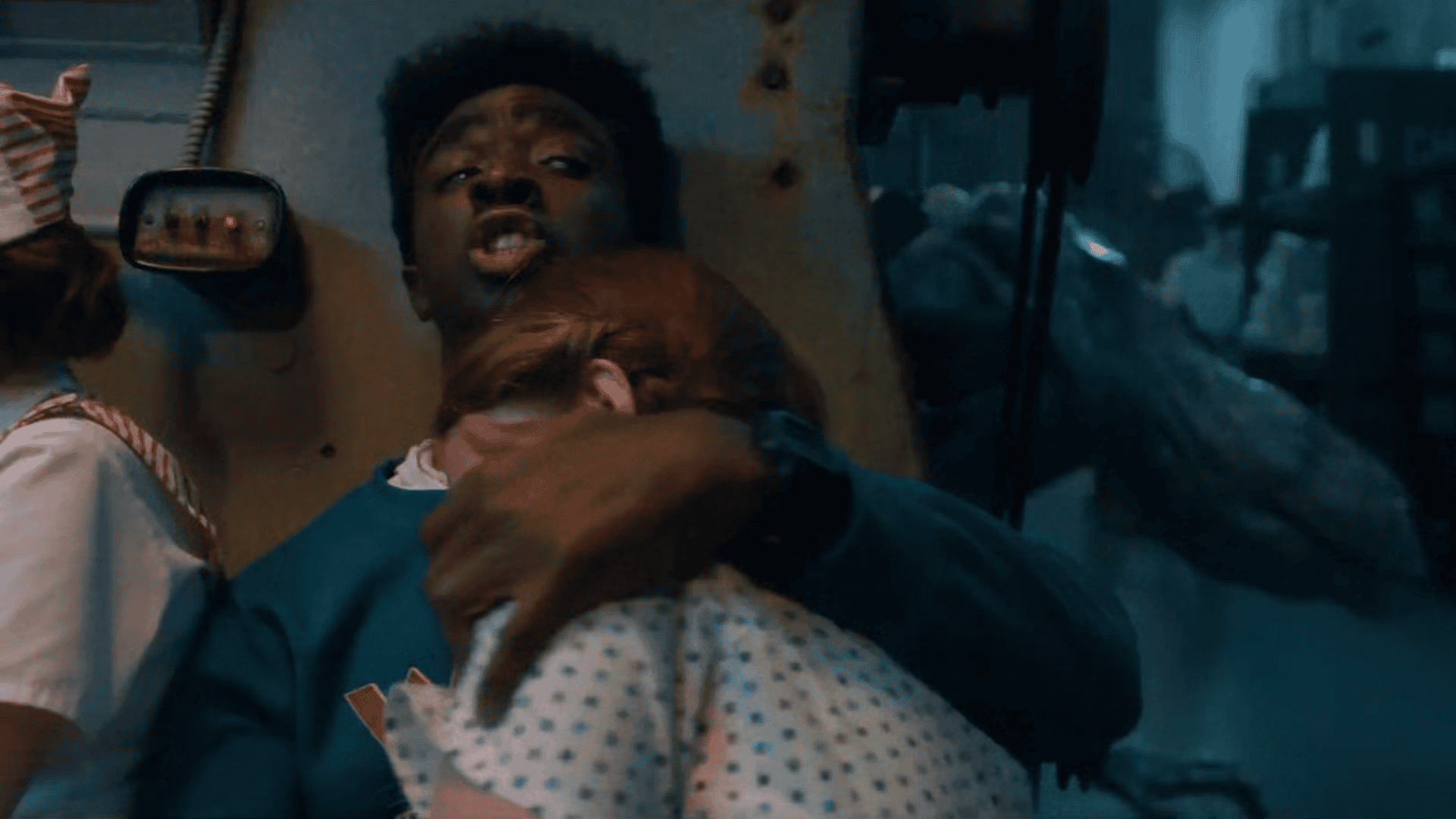
Time wasn’t their only enemy. Some of the show’s most dramatic moments—like when the Demogorgon bursts through the walls of Joyce Byers’ home—simply couldn’t be achieved through practical means alone. The logistics of combining breakaway sets, stunts, lighting, and mechanical effects were too much for the clock to allow. Enter CGI.
And just like that, the dream of a fully practical Stranger Things began to morph into something more achievable: a hybrid world where hand-built magic met digital enhancement.
When Stranger Things Chose To Use CGI
The decision to blend practical and digital effects didn’t come lightly. For Matt and Ross Duffer, it was a compromise born from necessity—but one that, ironically, made Stranger Things more distinct.
The animatronic Demogorgon, while visually impressive, couldn’t deliver all the range of motion the Duffers needed for the creature’s more acrobatic, terrifying moments. The monster had to crawl up walls, tear through dimensions, and move in ways that defied basic anatomy. That’s where CGI swooped in like Eleven in full telekinetic rage.
By fusing the two approaches, the show achieved something rare: a creature that felt real but still had the uncanny, otherworldly flexibility that made it terrifying. The physical suit and lighting gave the Demogorgon texture and weight, while CGI brought it to life in ways animatronics alone couldn’t.
The production process became an exercise in creative tightrope-walking. The Duffers and their team had to decide, scene by scene, what could be done practically and what needed digital enhancement. Each choice had ripple effects. Lighting had to match, textures had to align, and the sound design had to ground the creature in the scene so it didn’t feel out of place.
By the time post-production rolled around, the pressure was monumental. The final edits for Season One were completed just one week before the show premiered on Netflix. Imagine the chaos—artists scrambling to polish visual effects, the Duffers reviewing cuts at the eleventh hour, the sound team fine-tuning otherworldly rumbles while caffeine and adrenaline fuelled the whole operation.
Yet somehow, that chaos birthed brilliance. The final product didn’t look like a compromise—it looked deliberate. The Demogorgon, both tactile and ethereal, became the perfect symbol of Stranger Things itself: a fusion of past and present, nostalgia and innovation.
That hybrid style didn’t just work—it defined the series. It’s why fans still gush about the show’s ability to feel cinematic, despite being born on a streaming platform. It’s why the Upside Down feels immersive instead of artificial. It’s also why Stranger Things stands apart from other shows chasing the same nostalgic high but relying too heavily on polished CGI to get there.
How Stranger Things Changed the Game on Streaming
As we edge closer to Stranger Things 5, it’s impossible not to look back at how the show’s creative compromises shaped its legacy. What started as a throwback experiment became a modern touchstone for how to blend storytelling, technology, and artistry without losing soul.
The Duffers’ devotion to practical craftsmanship helped remind Hollywood that tactile filmmaking still has power in an age of pixels and post-production. Even today, when VFX dominates screens, Stranger Things remains a prime example of how restraint can heighten realism. Fans can feel the world of Hawkins—the flickering Christmas lights, the texture of the Byers’ wallpaper, the slime dripping from the Demogorgon’s jaws—because so much of it physically existed on set.
The show’s influence spread quickly. After its success, more productions began rethinking their approach to effects, choosing to combine digital artistry with tangible builds rather than relying solely on green screens. Even The Mandalorian, with its digital sets and LED volumes, owes a creative debt to the groundwork laid by the Duffers’ hybrid philosophy.
Of course, it’s not just about the technicalities. The emotional impact of Stranger Things depends on its believability, on the sense that what’s happening could somehow exist in our world. When Will Byers vanishes into the Upside Down, or when Eleven bleeds from her nose while battling an invisible monster, the tension works because the world feels textured and grounded. It’s a magic trick built on craftsmanship and care.
As Stranger Things 5 approaches, the conversation around the show’s visual evolution has reignited. Fans are already speculating about whether the Duffers will continue balancing practical and digital effects—or if the scale of the final season will push them deeper into CGI territory. Given their track record, the safe bet is on another carefully measured fusion: practical where possible, digital where necessary.
In many ways, the show’s creative journey mirrors the story it tells. Just as Hawkins balances the ordinary and the extraordinary, the production itself has constantly navigated between the tactile and the digital. Both sides of that equation are essential. Both are what make Stranger Things feel timeless.
The Duffers may never have achieved their original dream of a fully practical show, but their compromise became something even more impressive—a template for modern storytelling that honours the past while embracing the future.
It’s fitting, really. The Upside Down was always about the blurred line between two worlds, and Stranger Things thrives in that same liminal space—where nostalgic craftsmanship meets the possibilities of technology.
As we prepare to return to Hawkins for one last adventure this November, the legacy of Stranger Things remains a testament to creative problem-solving, artistic vision, and sheer passion. From the clunky animatronics that once terrified cast members on set to the digital monsters that haunt our dreams, every effect in the series carries a piece of that original dream: to make the unbelievable feel real.
So while the Duffers’ vision of a purely practical Stranger Things might have been impossible, what they achieved instead was something even rarer—a show that feels alive. A show where nostalgia breathes, fear drips from the walls, and imagination bridges the gap between 1980s cinema and 21st-century streaming magic.
And if there’s one thing Stranger Things has proven again and again, it’s that sometimes, the impossible is the most exciting place to start.