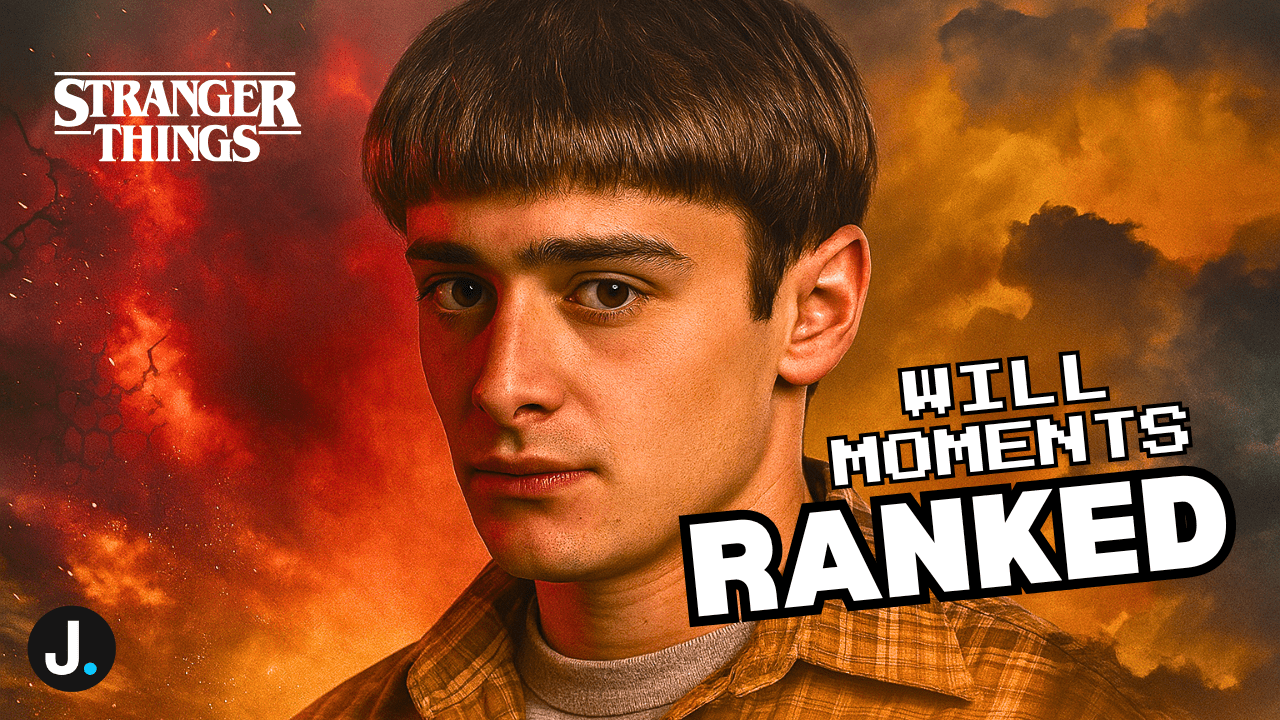
When Stranger Things premiered in 2016, one of its notable storytelling choices was the integration of music into key plot moments. The Clash’s 1982 song "Should I Stay Or Should I Go" became closely associated with the show. Originally about a romantic relationship, the song was repurposed in the series as a communication tool between Will Byers, trapped in the Upside Down, and his family.
In Season One, Will uses the song to signal his location to his mother, Joyce, and brother, Jonathan. Lights flicker as he sings, creating a tangible connection across dimensions. Music journalist Bill Desowitz noted that the track “takes on new significance as Will utilizes it to communicate with his mother.” The song functions as both a plot device and an emotional anchor, reinforcing the family’s determination and Will’s presence.
Securing the song involved careful negotiation. The Clash were initially hesitant to allow their punk anthem in a series featuring supernatural horror, concerned it might undermine the song’s original meaning. Music supervisor Nora Felder presented the show as a story focused on human connection and family bonds, reassuring the band that the song would retain its emotional significance. Once approved, the track was integrated into the series to emphasize character and narrative development.
The Duffer Brothers used the song deliberately to highlight the themes of resilience and connection. Will’s singing transforms a punk rock track into a signal of survival and hope. Its placement in the show also demonstrates how music can serve as an active element of storytelling rather than background atmosphere.
The scene had an immediate impact on viewers, and the song became strongly associated with Will’s storyline. Fans often cite it as a standout moment, and its presence increased engagement and discussion online. The integration of the track also contributed to renewed interest in The Clash, introducing the song to younger audiences and boosting its popularity on streaming platforms.
Stranger Things’ approach to music extends beyond this example. Later seasons include tracks by Peter Gabriel, Foreigner, and Scorpions, each chosen to reinforce character development, set tone, or highlight key narrative moments. In every case, the music is integrated with careful attention to timing, lyrics, and emotional impact.
"Should I Stay Or Should I Go" illustrates how the series uses music as both narrative and emotional tools. Will’s survival depends on his connection with family, and the song functions as a literal and symbolic lifeline. It communicates urgency, fear, and hope simultaneously, turning a pop culture artifact into a narrative device.
The sequence demonstrates the series’ method of embedding music into storytelling. Tracks are selected to enhance plot, deepen character arcs, and engage audiences across generations. By repurposing The Clash’s song for this context, the Duffer Brothers showed how classic music can be adapted to new storytelling purposes without losing its original cultural significance.
This careful integration highlights the show’s broader emphasis on narrative cohesion and emotional resonance. Will Byers’ use of "Should I Stay Or Should I Go" set a standard for how music functions in Stranger Things, supporting both story and theme while remaining memorable to audiences. It remains one of the series’ most iconic moments and an example of how the show balances 1980s nostalgia with character-driven storytelling.