When Stranger Things first hit screens in 2016, one of the subtle but powerful aspects of its charm was its clothing. The Duffer Brothers understood that if viewers were going to be transported to Hawkins, Indiana, in the mid-80s, the wardrobe had to feel organic, grounded, and authentic. Enter Kimberly Adams and Malgosia Turzanska, the costume designers tasked with achieving this feat for the inaugural season.
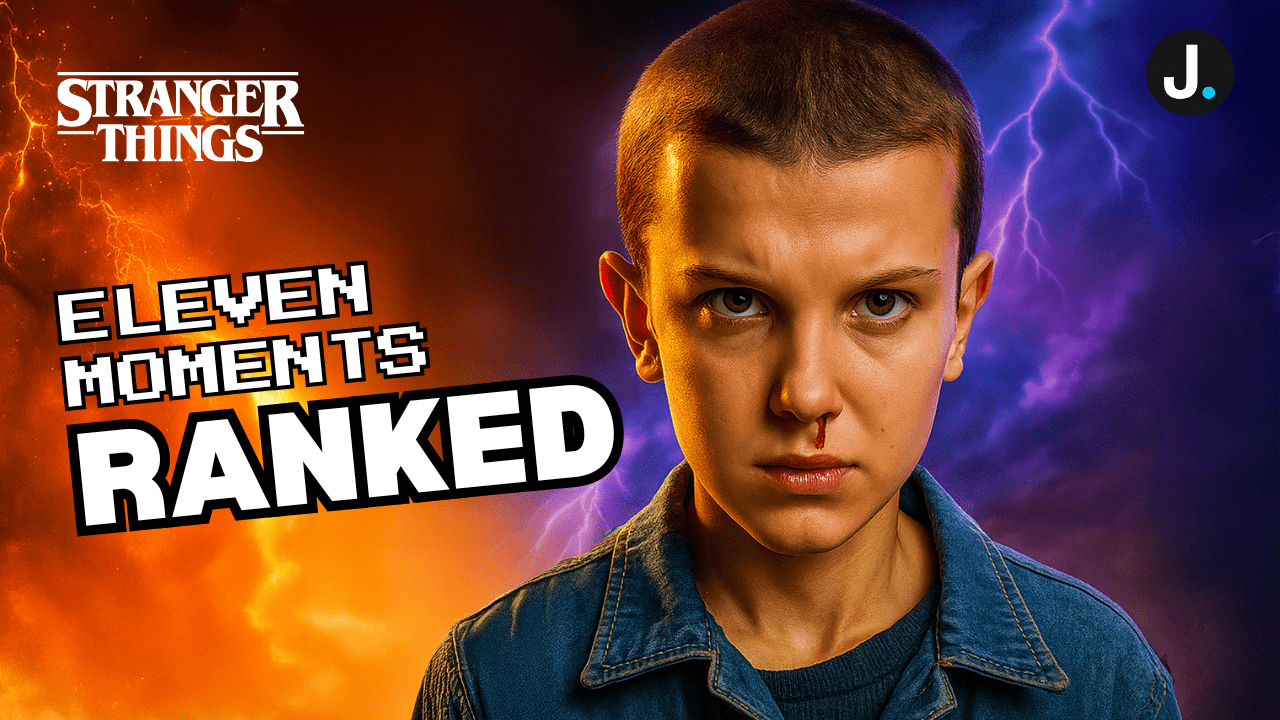
Adams described the painstaking process: “I had to put together mood boards with images from my research to distinguish each character's look.” This wasn’t about slapping characters into neon leg warmers or acid-washed jeans for the sake of nostalgia; it was about defining personalities through wardrobe. Eleven’s (portrayed by Millie Bobby Brown) initial hospital gown, for instance, spoke volumes about her vulnerability and otherworldliness before she was immersed in Hawkins life. Conversely, Mike Wheeler’s (portrayed by Finn Wolfhard) collection of plaid shirts, layered jackets, and slightly too-long pants grounded him in suburban normalcy while hinting at the adventurous streak beneath.
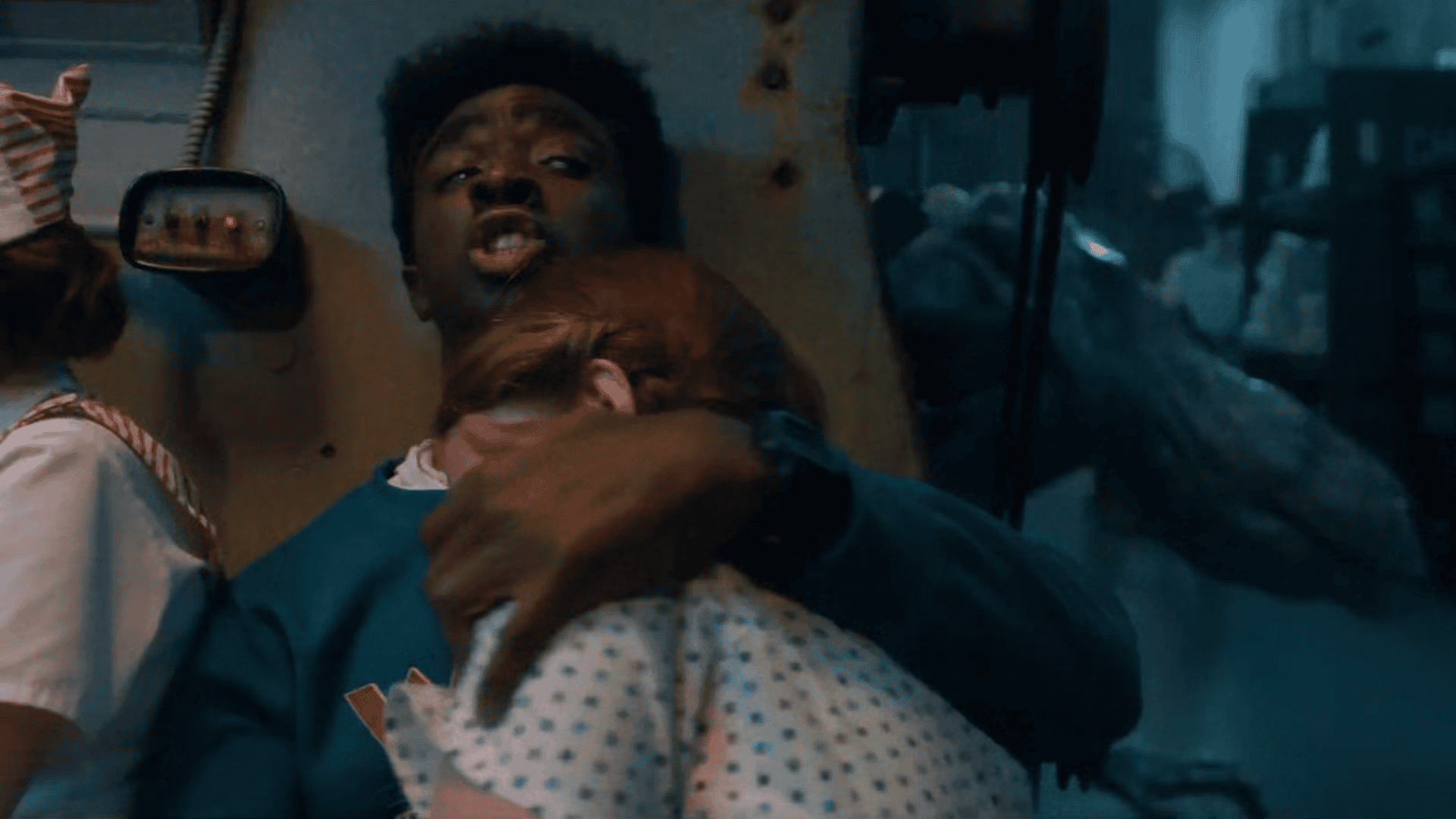
Beyond the main cast, Adams and Turzanska applied this same rigor to background actors, ensuring even the town’s populace felt lived-in. From the local mall clerks to Hawkins Lab scientists, each costume contributed to a sense of place, establishing a visual authenticity that allowed viewers to suspend disbelief as the supernatural unfolded.
Every piece of clothing underwent thoughtful aging processes. Jeans were worn and faded, jackets creased just enough to feel lived-in, and T-shirts bore subtle imperfections. These details were small but crucial—they told stories about socioeconomic status, personal history, and lifestyle without a single line of dialogue. The audience might not consciously notice every wrinkle or frayed seam, but subconsciously, it cements the world as tangible, relatable, and real.
By the time Season 2 rolled around, the characters—and Hawkins itself—had grown. With Kim Wilcox joining as costume designer, the series expanded its wardrobe archive to accommodate not just continuity but evolution. Wilcox explained, “With the new storyline, we needed to elevate the wardrobe to reflect the characters’ growth and the evolving tone of the series.”
This evolution was particularly evident in the older kids’ wardrobes. The transformation from Season 1’s relatively uniform suburban looks to Season 2’s more expressive choices mirrored adolescence in full swing. Max (portrayed by Sadie Sink) transitioned from oversized jackets and muted colors to bold reds and graphic tees, signaling her arrival as a force within the group dynamic. Even side characters received thoughtful updates; Billy Hargrove’s (portrayed by Dacre Montgomery) wardrobe amplified his rebellious, menacing energy with leather jackets, layered shirts, and worn jeans, turning fashion into an extension of character psychology.
Wilcox also emphasized wardrobe as a narrative tool. Clothing choices helped delineate storylines, highlight character arcs, and visually cue audience members to plot developments. For instance, the Byers’ shift in clothing reflected their emotional states: Joyce (portrayed by Winona Ryder)’s color palette often veered towards muted tones during periods of despair, only brightening as hope returned. The ability to communicate character through costume design alone speaks to the thoughtfulness underpinning the series’ aesthetic.
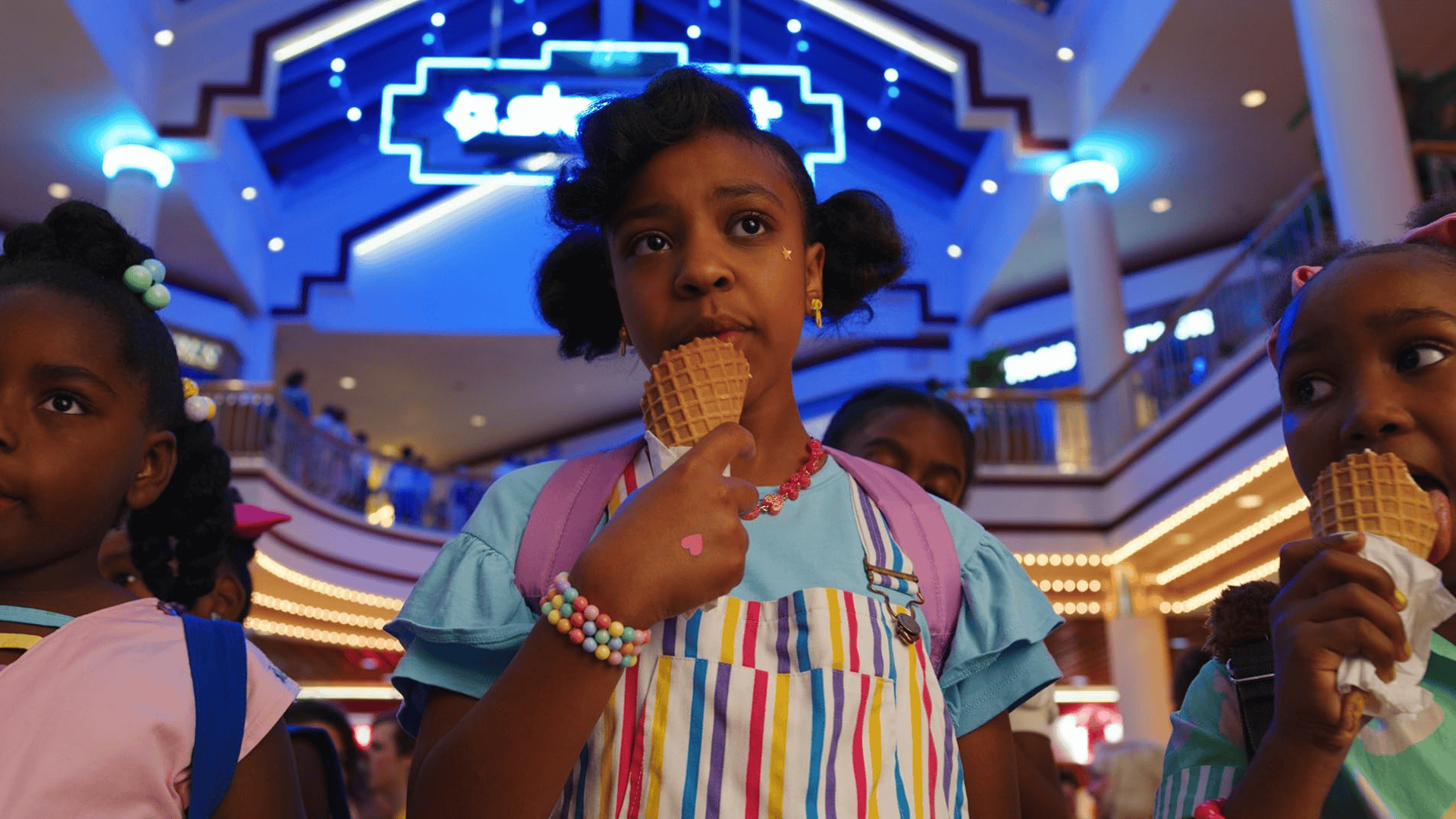
When Amy Parris returned to lead costume design in Season 3, she injected a vibrant, energetic layer to Hawkins’ fashion landscape. The goal, she explained, was to “capture the vibrant spirit of adolescence in Hawkins, which needed to be visually distinct and inviting.” The Starcourt Mall, a central hub in Season 3, provided an opportunity to display an array of colorful clothing that reflected consumer culture of the 80s while reinforcing the characters’ youthful exuberance.
This vibrant palette extended beyond mere style. Parris carefully coordinated colors to complement emotional beats. The Byers family, facing escalating supernatural threats, often wore muted tones to anchor the series’ tension. Conversely, the Scoops Ahoy uniforms worn by Robin (portrayed by Maya Hawke) at the mall juxtaposed the lightheartedness of youth and everyday work with the darker undertones of the plot, a visual reminder of the duality that defines Hawkins life.
Season 4 brought additional complexities. As the narrative expanded geographically, Parris used color palettes and clothing styles to distinguish locations. California settings featured warmer, sun-drenched tones, while Russian lab sequences leaned into cooler, industrial grays. Such distinctions subtly guided audiences through multiple storylines and tonal shifts without a single exposition-heavy scene.
The attention to detail extended to textures, fabrics, and accessories. For instance, Hopper’s (portrayed by David Harbour) rugged jackets were weathered for continuity and believability, while Eleven’s evolving wardrobe mirrored her journey from isolation to integration, innocence to empowerment. These decisions ensured that costume design wasn’t decorative—it was a living component of the storytelling machinery.
Several costume moments have become instantly iconic, illustrating the depth of thought behind each selection. Eleven’s pink dress and blue jacket in Season 1 are a perfect example. The ensemble blends childlike innocence with the resilience required to survive the Upside Down, creating a visual shorthand for her character’s identity.
Similarly, the Ghostbusters costumes in Season 2 showcase the designers’ attention to cultural accuracy and fan service. The outfits, carefully sourced and tailored, reflect not only the characters’ imagination but also the broader 80s zeitgeist. Fans and critics alike praised this decision, noting it as both nostalgic and narratively functional, reinforcing friendship dynamics and playful ingenuity.
Beyond individual outfits, costume choices reflect socio-economic realities. The Byers’ household often leans into muted, functional clothing, reflecting their working-class status, whereas Hawkins Lab personnel wear sterile whites, visually reinforcing power structures and tension. Clothing becomes an unspoken language, narrating class, personality, and thematic undertones with subtlety and sophistication.
Ultimately, costume design in Stranger Things demonstrates that clothing can be a storytelling device as powerful as dialogue or plot twists. Each character’s wardrobe tells a story about their emotional state, social status, or personal evolution. The Duffer Brothers and their costume team have meticulously crafted these visual narratives, ensuring every stitch, color choice, and fabric texture contributes to world-building.
Wardrobe choices also enhance fan immersion. Reddit threads, Instagram posts, and TikTok analyses often dissect characters’ outfits, highlighting how costume design resonates with audiences on both conscious and subconscious levels. From Eleven’s early hospital gown to Robin’s Scoops Ahoy uniform, every outfit becomes a cultural touchstone, inspiring cosplay, fan art, and collective nostalgia.
Costumes also serve as continuity anchors across complex plotlines. By maintaining consistency while reflecting growth, costume design allows viewers to track character development visually. This technique enriches storytelling, turning wardrobe into a dynamic participant in the narrative rather than a static backdrop.
As anticipation builds for Season 5, it’s clear that costume design will continue to play a crucial role in shaping the series’ visual and narrative identity. Fans can expect to see continued attention to detail in color palettes, textures, and character-specific aesthetics. With the supernatural stakes higher than ever, clothing will likely reflect both the characters’ growth and the darker, more mature tones of Hawkins’ final chapter.
Speculation abounds regarding how wardrobe will evolve post-time jump. Will Eleven’s style continue to reflect her empowerment and independence? Will Mike and the gang’s clothing indicate new responsibilities, challenges, or even rebellion against the forces they face? Given the meticulous attention paid in prior seasons, it’s reasonable to assume that every new outfit will be laden with narrative significance.
Costume design in Stranger Things also serves a broader cultural function. It cements the show’s place as a bridge between 1980s nostalgia and contemporary storytelling, demonstrating how visual storytelling can evoke emotion, reinforce narrative, and immerse audiences in a richly realized world. The Duffer Brothers and their costume teams have crafted more than just clothes—they have created living, breathing artifacts of character and culture.
The wardrobe of Stranger Things exemplifies how costume design can elevate storytelling to an art form. From Kimberly Adams and Malgosia Turzanska’s painstaking research and character-driven designs to Amy Parris’s bold use of color and context, every decision enhances authenticity and emotional resonance.
Clothing in Hawkins does not merely decorate; it communicates, narrates, and immerses. Each thread connects viewers to the characters’ journeys, from the terror of the Upside Down to the laughter of adolescence, from isolation to friendship. As Season 5 approaches, fans can anticipate a continuation of this visual storytelling, ensuring that costume design remains an integral, dynamic, and deeply resonant component of Stranger Things.