When Stranger Things premiered on Netflix in July 2016, it quickly became one of the service’s most talked-about originals. Its path to getting made was far less certain. Before the show existed, Matt and Ross Duffer were relatively unknown filmmakers trying to pitch a series that didn’t match the usual expectations of network television. They described it as “Stephen King meets Steven Spielberg,” combining elements of E.T., The X-Files, Stand by Me, and A Nightmare on Elm Street. The tone centered on kids, small-town mystery, and supernatural threats, which many networks saw as too risky.
Most executives weren’t interested. Some wanted the focus shifted to adults. Others felt the supernatural components were too unusual for broadcast or cable. In several cases, the brothers were told the show simply wouldn’t work. More than 15 networks passed on the project before Netflix expressed interest.
What encouraged the Duffers to approach Netflix was the early success of House of Cards. In a 2017 interview, they explained that Netflix seemed willing to give newer creators opportunities and to back projects that didn’t fit existing formulas. House of Cards had already proven that Netflix was open to bigger, more cinematic storytelling and that the platform allowed more creative control than traditional networks. The Duffers believed Netflix would be more willing to support a project that didn’t fit neatly into a single genre.
Netflix was looking to expand its original slate around 2015 and wanted series that could appeal to a broad audience. The Duffers’ pitch included concept art, storyboards, and a pilot script that presented the story exactly as they envisioned it. Netflix responded positively and did not request major structural changes. They accepted the kid-centered approach, the blend of genres, and the supernatural storyline. According to the Duffers, Netflix was the only network that didn’t ask them to alter the show at its core.
The freedom Netflix provided shaped how Stranger Things was made. Without advertisers, fixed time slots, or strict runtime limits, the Duffers were able to write episodes that functioned more like chapters of a long film. The show also retained its 1980s influences in a way that likely would have been reduced or removed on a traditional network. Details such as extended scenes, darker story elements, and extensive cultural references were allowed to remain.
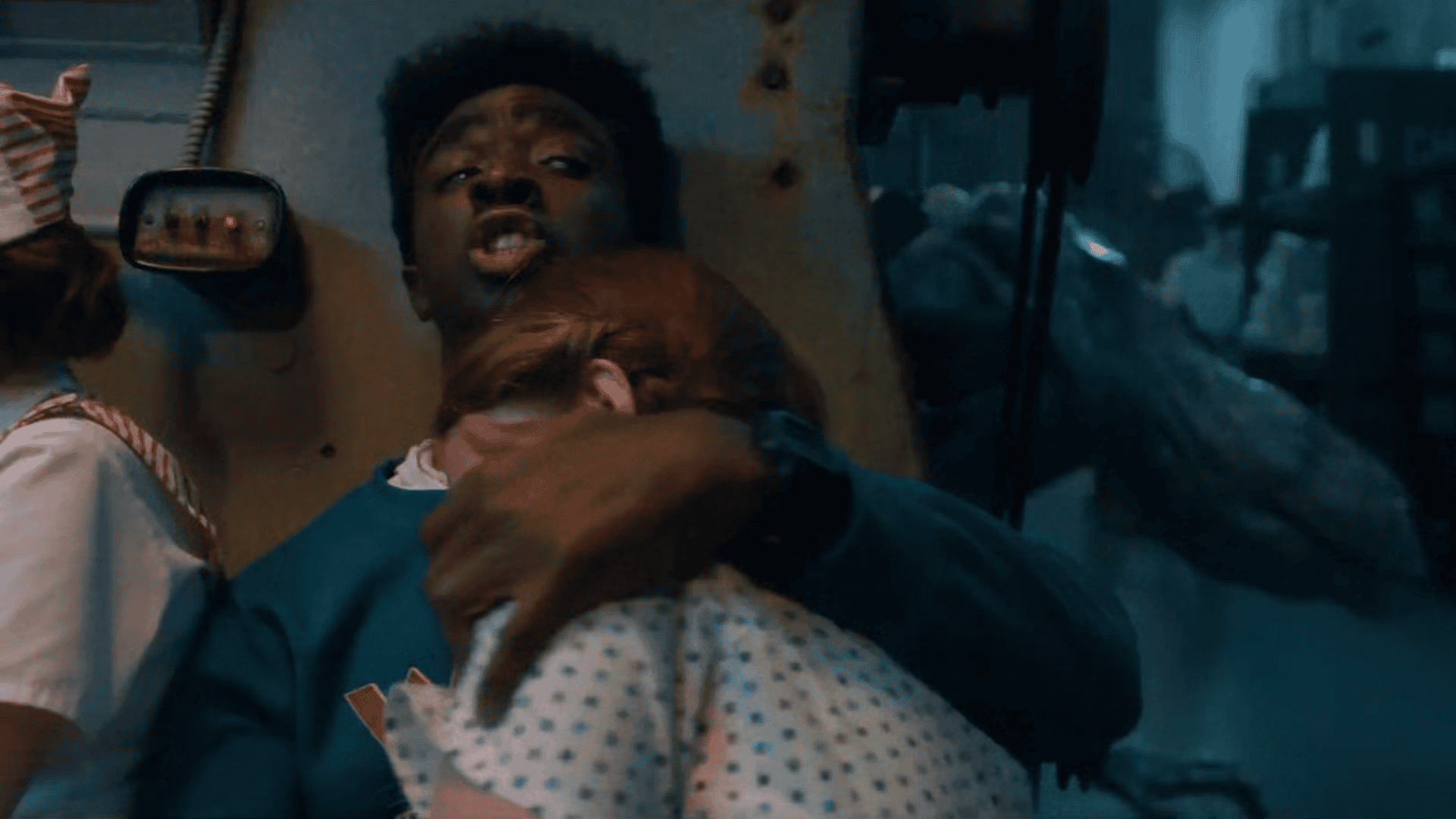
Stranger Things gained attention immediately after release. Viewers responded to the young cast, the suspense-driven storytelling, and the clear influence of 1980s media. Millie Bobby Brown, Finn Wolfhard, Gaten Matarazzo, and Caleb McLaughlin became breakout actors. Winona Ryder’s involvement drew interest as well, linking the show back to the era it referenced. The synth-driven score also became a recognizable part of the series’ identity.
The show’s success helped establish Netflix as a major player in original programming. It demonstrated that streaming platforms could produce hits capable of crossing demographic lines and generating sustained cultural interest. Stranger Things also proved that audiences were open to serialized stories released all at once. The binge-release format allowed viewers to watch the entire season at their own pace, which helped the show maintain momentum and encouraged extensive online discussion.
As the series continued, the Duffers expanded its scope while keeping the character-focused structure in place. By the fourth season, the tone had shifted toward more psychological horror, but the core relationships remained central. The ability to develop the story this way reflected Netflix’s ongoing willingness to let the creators follow their own plans.
Looking ahead to the final season, the Duffers have said they intend to bring the narrative back to the elements introduced early in the series. Their priority is resolving the main characters’ arcs in a way that feels consistent with the story they set up from the beginning.
Stranger Things influenced how other streaming platforms approached their own originals. Many later series borrowed from the same combination of genre storytelling, serialized mystery, and nostalgia-driven design. Netflix itself expanded its investment in original content, aiming to produce more series with strong, distinctive identities.
The Duffers have since launched Upside Down Pictures, where they are developing new projects, including a live-action Death Note adaptation and a Stranger Things spinoff. Regardless of what comes next, the path that took them from multiple rejections to overseeing one of Netflix’s defining properties has already had a lasting impact on the industry.