The Duffer Brothers Compare Stranger Things 4 To Game Of Thrones

Stranger Things

As excitement grows for Stranger Things 5, set for release in November 2025, the Duffer Brothers have given fans fresh insight into the creative evolution of their Netflix phenomenon. Reflecting on the sprawling ambition of Stranger Things 4, the Duffers drew a surprising yet fitting comparison to Game of Thrones, citing its massive scale, intersecting storylines, and darker tone. This in-depth exploration unpacks how the show’s fourth season transformed from a small-town sci-fi mystery into a cinematic, globe-spanning horror epic. With insights from Matt Duffer, Ross Duffer, and cast members like Finn Wolfhard, this article dives into the shift from Hawkins to the wider world, the series’ descent into psychological terror, and the introduction of unforgettable characters like Eddie Munson and Vecna. It’s a deep dive into how the Duffers turned nostalgia into modern mythmaking—and why Stranger Things 4 marked a new golden age for Netflix storytelling.

Stranger Things 4 Revealed: Shocking Secrets from the Duffers!

Key Information:
    • The Duffer Brothers likened Stranger Things 4 to Game of Thrones, citing its expanded scale, multiple locations, and interwoven character arcs as the show’s storytelling matured beyond its Hawkins roots.
    • Season 4’s tonal shift leaned harder into horror influences—drawing inspiration from Nightmare on Elm Street and Halloween—as the Duffers explored darker emotional territory and higher stakes for their characters.
    • The introduction of Eddie Munson and Vecna cemented Stranger Things 4 as the series’ most complex chapter yet, bridging pop-culture nostalgia with socially relevant themes and fantasy-inspired mythmaking.

Stranger Things 4 Game Of Thrones

As excitement grows for Stranger Things 5, set for release in November 2025, the Duffer Brothers have given fans fresh insight into the creative evolution of their Netflix phenomenon. Reflecting on the sprawling ambition of Stranger Things 4, the Duffers drew a surprising yet fitting comparison to Game of Thrones, citing its massive scale, intersecting storylines, and darker tone. This in-depth exploration unpacks how the show’s fourth season transformed from a small-town sci-fi mystery into a cinematic, globe-spanning horror epic. With insights from Matt Duffer, Ross Duffer, and cast members like Finn Wolfhard, this article dives into the shift from Hawkins to the wider world, the series’ descent into psychological terror, and the introduction of unforgettable characters like Eddie Munson and Vecna. It’s a deep dive into how the Duffers turned nostalgia into modern mythmaking—and why Stranger Things 4 marked a new golden age for Netflix storytelling.

When Stranger Things 4 premiered in May 2022, it became clear that the series had entered a new phase. The story expanded in structure, scale, and tone. Matt and Ross Duffer wanted a season that operated on a larger narrative level, similar to the multi-location, ensemble storytelling seen in Game of Thrones.

While writing, they realized that the usual eight-episode structure would not be enough to cover all the plotlines they planned to include. Matt Duffer explained that they added a ninth episode because the story required more room, and Netflix supported the decision. According to the brothers, the extended format was not designed for spectacle but to ensure that every character arc and storyline received proper development.

The result was a season that opened up the world of Stranger Things. Hawkins no longer held the entire focus. The narrative followed characters across multiple locations, including California, Russia, and the Upside Down. Ross Duffer said that the story needed to expand because the threat had expanded. Hopper’s arc shifted into a survival narrative set inside a Russian prison, while Eleven’s storyline centered on rebuilding her abilities and adjusting to a new environment with the Byers family.

The Duffers described the season’s structure as a triptych, with three major plotlines that move independently and then eventually connect. Their comparison to Game of Thrones referred to this type of multi-threaded structure rather than fantasy elements. The intention was to let each group of characters move through their own conflicts while contributing to a larger central storyline about the Upside Down.

Season 4 also revealed more information about the Upside Down than any prior season. Ross Duffer explained that they approached this expansion in stages, slowly introducing how the dimension functions and what drives the forces within it. For viewers who had followed the show since Season 1, this deeper look at the series mythology provided context that the Duffers had planned from the beginning.

The tone of the show shifted as well. The creators have said they wanted to move further into horror, citing films like A Nightmare on Elm Street and Halloween as touchpoints. This change reflected the age of the characters and the increasing severity of the threats they faced. Matt Duffer said the intention was not to abandon the earlier seasons’ sense of adventure but to let the tone evolve as the characters grew older.

Finn Wolfhard, who plays Mike Wheeler, remarked in an Entertainment Weekly interview that the season felt like multiple films combined. He described the tone as a mix of light humor and serious crime-thriller elements. Viewers experienced scenes that alternated between comedy, character moments, and intense horror without losing narrative clarity. This tonal range was part of the Duffers’ plan to broaden the series while keeping character relationships at the center.

The season introduced new characters who became central to the story. Eddie Munson, played by Joseph Quinn, quickly became a fan favorite. The Duffers have said that Eddie was partially inspired by Damien Echols of the West Memphis Three, whose case involved public suspicion and misinformation. Eddie’s arc highlighted how quickly a community can turn against someone it does not understand.

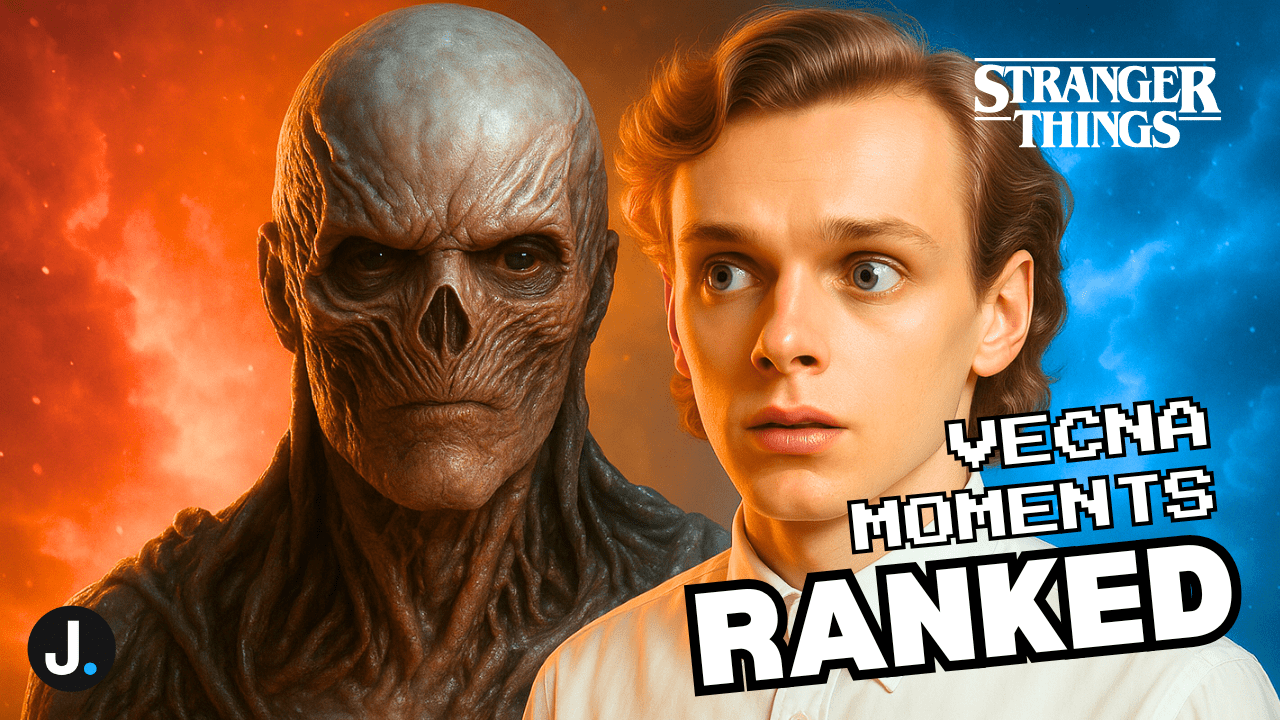
Season 4 also introduced the show’s most developed antagonist to date. Vecna was designed as a villain with clear motivations and a history that linked back to Eleven and the early seasons. This allowed the series to connect its mythology in a more direct way and gave viewers a clearer understanding of how the Upside Down influences events in Hawkins.

The season’s scale was reflected in its reception. It became Netflix’s most-watched English-language series upon release and was widely regarded as one of the show’s strongest chapters, with particular praise for its character work and its balance of horror, action, and emotional storytelling.

As Season 4 broadened the narrative and clarified long-running questions, it also set the stage for the final season. The Duffers have said that Season 5 will resolve major character arcs and bring all remaining storylines to a conclusion. They emphasized that their focus is on delivering endings that feel consistent with the development that has taken place across the series.

Stranger Things 4 marked a shift from a localized supernatural mystery to a large-scale story that spans multiple settings and explores the broader conflict between Hawkins and the Upside Down. It demonstrated how the series has evolved since its early seasons and prepared viewers for a final chapter that aims to unify its characters, mythology, and long-running themes.
Continue Reading about Stranger Things 4 Game Of Thrones:


More about Stranger Things 4 Game Of Thrones

With the upcoming release of Stranger Things 5 in November 2025, the Duffer Brothers have revealed intriguing developments for the season that shifts the narrative landscape beyond Hawkins, Indiana, a first for the series. Matt Duffer noted that "epic" triptych structure will define the fourth season, drawing parallels to the expansive storytelling seen in Game of Thrones, allowing the writers to explore unresolved plot points from earlier seasons, such as Hopper's fate and Eleven's new life with Joyce Byers. This ambitious narrative is set against a backdrop of matured tones, as Ross Duffer explained the departure from the lighthearted Goonies-type antics of the kids to a heavier embrace of horror, akin to classic genre films. The brothers felt compelled to dissect the series' layered mythology, resulting in a longer runtime that ultimately called for a ninth episode, pleasingly sanctioned by Netflix. Incorporating deeper elements from the Dungeons & Dragons universe, which resonates with the show's child characters, the Duffers crafted this season's antagonist, Vecna, drawing inspiration from both gaming lore and the real-life story of Eddie Munson, a character rooted in the narrative of Damien Echols from the West Memphis Three. This season is described by Finn Wolfhard as feeling like "five movies into one," blending various genres and themes from stoner comedies to chilling horror, which further emphasizes the ambitious scope the Duffer brothers are aiming for. With the excitement building for what promises to be the longest season yet, it's clear that Stranger Things 5 aims to unravel the intricate threads woven throughout its previous installments, setting the stage for a thrilling conclusion to this beloved series.

Which moments from Stranger Things 4 do you think would have made an epic battle scene in Game of Thrones?

We’d love to hear your perspective! Share your opinions in the comments below.

Stranger Things