When fans think of Stranger Things, their minds might immediately leap to the Demogorgon, the Mind Flayer, or the eerie vistas of the Upside Down. But according to co-creators Matt and Ross Duffer, the real terror has always been closer to home. Drawing heavily on the works of Stephen King, the Duffers have infused the series with the idea that humans themselves, under pressure, can unleash far more frightening behaviour than any monster could.
As Matt Duffer explained to TUDUM, this is central to the show’s DNA. Humans, when confronted with panic, grief, or unexplained events, are prone to irrationality, cruelty, and moral collapse. The Upside Down may be a nightmarish realm of supernatural horrors, but it is the fear-driven actions of humans that truly define the stakes of Hawkins. “We wanted to explore someone who, had this never occurred, would’ve probably led a really good life. Someone who was very popular, had a sort of self-righteous streak in him, who was viewed by the community as completely virtuous. Then this thing happens... and it spins him. All of this stuff that is inside of him that probably would have never been unlocked had that not occurred comes spilling out,” Matt said, referring to Jason Carver’s arc in Season 4.
By anchoring supernatural events with human reactions, the series achieves a remarkable emotional depth. Viewers can relate to characters like Jason and the moral dilemmas they face, recognising the ease with which fear can warp perception and behaviour. This is classic King influence — the idea that horror is most terrifying when it mirrors our own potential for darkness.
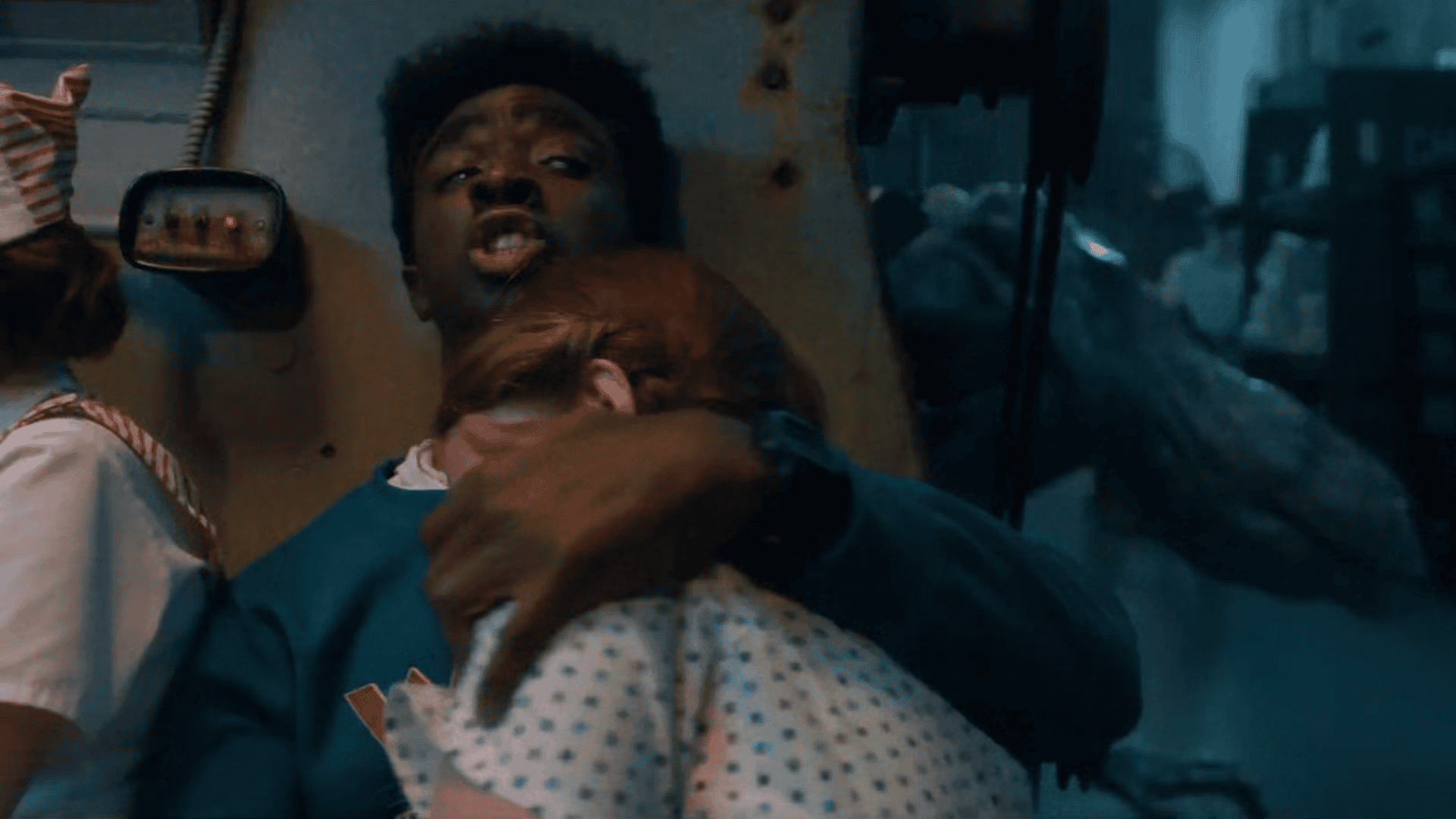
Few characters in Stranger Things exemplify human horror better than Jason Carver. The basketball captain of Hawkins High begins as a seemingly typical, all-American teenager — popular, confident, and admired. But when the traumatic murder of his girlfriend, Chrissy, rocks his world, his response veers into paranoia and blame, targeting Eddie Munson, the misunderstood leader of the Hellfire Club.
Ross Duffer described Jason as a pivotal study in fear-driven human behaviour: “What we wanted to explore also was what if a character sees this, and he cracks a little bit?” Jason’s descent is a cautionary tale. He transforms from admired figure to tragic antagonist, illustrating how quickly morality and reason can fracture under stress.
It’s fascinating to watch this unfold across multiple episodes. Fans witness the way grief, fear, and social pressure can warp logic, transforming a boy who was once just a high school captain into a figure capable of persecution and cruelty. In this sense, Stranger Things is less a traditional monster story and more a psychological study. The Demogorgon and the Upside Down are catalysts, revealing the latent fears, biases, and flaws lurking in human hearts.
Jason’s narrative resonates because it’s disturbingly plausible. How often in real life do we see similar patterns of scapegoating, panic, or moral collapse? The series doesn’t shy away from these uncomfortable questions, instead holding a mirror to viewers and forcing them to reckon with the potential darkness in themselves and their communities.
With Season 5 on the horizon, the Duffer Brothers have indicated that they will continue exploring the nexus of supernatural terror and human darkness. The tension between these two types of horror has been a hallmark of the show, creating a layered narrative where monsters amplify the real-life horrors already present in society.
The writers are adept at blending nostalgic 1980s horror with contemporary issues, ensuring that the show resonates beyond mere nostalgia. In today’s post-pandemic world, where societal divisions, uncertainty, and fear remain palpable, the exploration of human reactions in extreme circumstances is more timely than ever. The Duffer Brothers have tapped into a universal truth: the scariest monsters often walk among us, disguised as ordinary people driven by fear, anger, or grief.
This thematic exploration also enriches the supernatural elements. The Upside Down, once merely a menacing alternate dimension, becomes a canvas for exploring moral failure, panic, and corruption. By juxtaposing human and supernatural horror, the series creates suspense that is both thrilling and intellectually engaging. Fans are not only entertained by creatures and psychic powers, but they are invited to interrogate morality, empathy, and the consequences of fear.
For example, in previous seasons, even seemingly minor characters revealed cracks under pressure — the mayor, school officials, and town authorities each displayed panic, prejudice, or moral compromise when confronted with the unknown. These moments remind viewers that evil is not always monstrous or otherworldly; it can emerge from the familiar and mundane, and the series is unafraid to explore that uncomfortable truth.
As Season 5 promises to escalate stakes and unravel long-standing mysteries, these human horror elements are likely to take centre stage. Fans can expect morally complex situations, fractured relationships, and the persistent question: how far would any of us go if the world turned upside down around us? The Duffer Brothers have consistently shown that the series’ true emotional resonance comes from these human stories, even amid alien creatures and apocalyptic stakes.
Why the Human Element Keeps Stranger Things Terrifying
What makes Stranger Things exceptional in the horror and sci-fi landscape is its careful attention to human psychology. While many shows lean on CGI monsters or shock scares, the Duffers consistently foreground human reactions, moral ambiguity, and social dynamics. It is a series where the "villain" is often a product of circumstance, fear, and personal weakness — and that is far more chilling than any Demogorgon could ever be.
Jason Carver’s story is emblematic, but not unique. Across Hawkins, we see similar arcs: parents, authorities, and teenagers alike confronted with incomprehensible events must navigate moral choices under pressure. The series forces viewers to confront their own responses to fear, asking difficult questions about courage, loyalty, and responsibility. This psychological horror, grounded in plausibility, is what gives Stranger Things its staying power.
Moreover, the blending of 1980s nostalgia with these mature themes adds layers of emotional complexity. The innocence of the decade’s aesthetics contrasts sharply with the darkness of human behaviour, making the terror feel both relatable and timeless. It’s no wonder that the show continues to captivate audiences worldwide, as it offers thrills, nostalgia, and a mirror into the human condition all at once.
As we eagerly count down to the release of Season 5 in November 2025, the Duffers’ philosophy about human horror provides a compelling lens through which to anticipate the finale. The Upside Down may be more menacing than ever, but viewers will be reminded that the darkest forces often come from within — fear, panic, prejudice, and grief can be more lethal than any supernatural creature.
By blending supernatural suspense with psychological and moral depth, Stranger Things has created a narrative ecosystem where every monster — human or otherwise — serves a purpose. As Matt and Ross Duffer continue to weave these threads, audiences can prepare for a season that promises thrills, revelations, and an unflinching exploration of what it means to be human when the world feels upside down.
Hawkins may be haunted by monsters, but the real terror has always been us.