When the Duffer Brothers set out to create Stranger Things, they clearly understood that small towns conceal big secrets, a concept that sits perfectly within Lovecraft’s worldview. Hawkins, Indiana, with its sleepy streets and suburban playgrounds, evokes the familiar comforts of childhood, yet lurking beneath that veneer is a gateway to the Upside Down, a dimension that embodies pure cosmic horror. This duality immediately recalls Lovecraft’s short story, The Colour Out of Space, in which an alien presence seeps into a farm, warping reality and leaving terror in its wake.
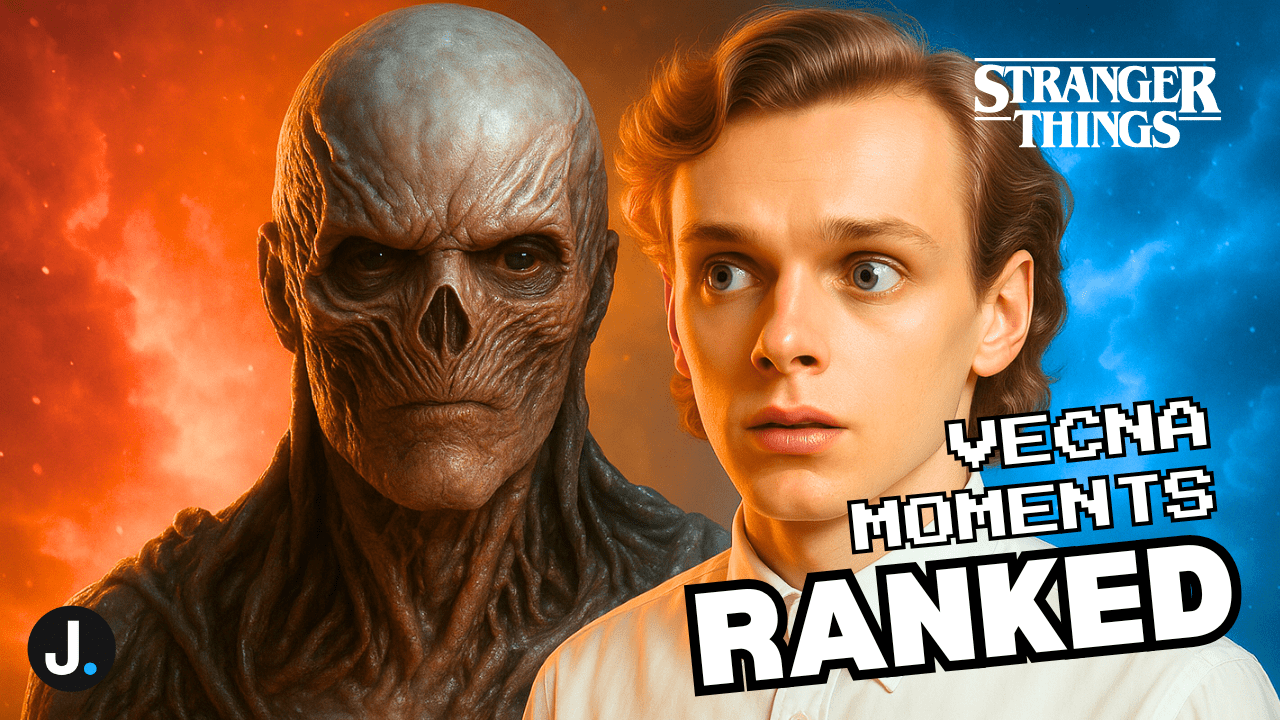
The show’s monsters, from the towering Demogorgon to the insidious Mind Flayer, draw directly from Lovecraft’s catalogue of titanic, ancient beings whose very existence renders humanity insignificant. Lovecraft once wrote, “We live on a placid island of ignorance in the midst of black seas of infinity,” a statement that perfectly encapsulates the existential tension the kids of Hawkins face. Where once they might have gone camping or ridden their bikes through the woods, they now encounter beings whose logic, scale, and intentions challenge human comprehension.
Even mundane locations—the woods, the school hallways, and quiet suburban homes—become charged with dread. In doing so, Stranger Things mirrors Lovecraft’s method: the familiar rendered terrifying by the hint of forces beyond human understanding. The show doesn’t simply aim to scare; it evokes an ongoing tension, an unsettling feeling that reality itself could fracture at any moment. For fans, this is where the series truly shines, mixing the comfort of 1980s Americana with the inescapable terror of cosmic forces.
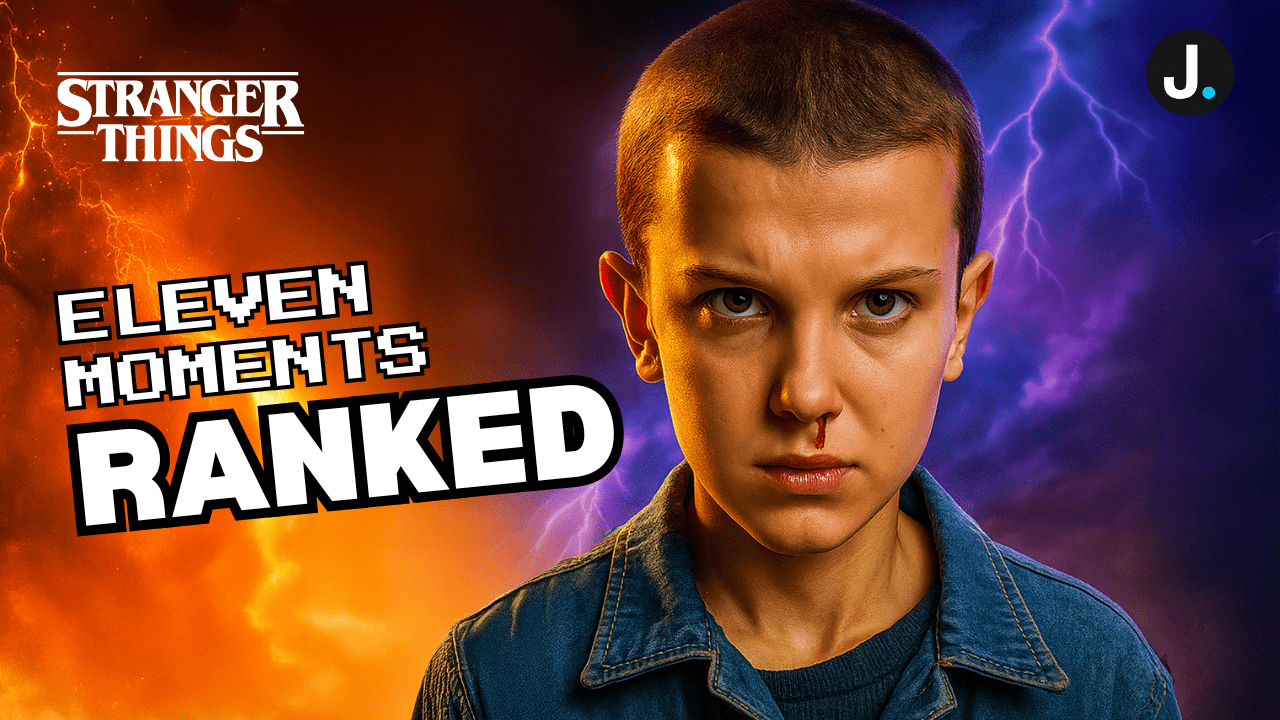
Hawkins Laboratory is where Stranger Things wears its Lovecraftian influences on its sleeve. The Lab’s experiments—telekinesis tests on Eleven, interdimensional breaches, and morally dubious research—reflect Lovecraft’s recurring themes of knowledge and hubris. In stories like The Shadow Over Innsmouth, the pursuit of forbidden understanding unleashes horrors that cannot be contained, a motif that Hawkins Laboratory mirrors to chilling effect.
This juxtaposition of innocence and corruption is central to the show. The children’s adventures, filled with Dungeons & Dragons quests and late-night snack-fuelled sleuthing, exist in stark contrast to the adults’ slow realization of the horrors their own world has unleashed. The Duffer Brothers have crafted a narrative where curiosity and ignorance collide. Eleven’s exploration of the Upside Down is thrilling and terrifying, showing that the boundaries between youthful bravery and naivety can have deadly consequences.
The series also highlights the interplay between science and the occult, a staple of Lovecraftian horror. The Lab’s sterile, fluorescent-lit hallways and blinking machinery sit alongside psychic experiments and references to supernatural phenomena. This blending of rational science and unfathomable forces enhances the sense that humanity’s reach often exceeds its grasp. In doing so, the show critiques the human desire to control or understand the universe, echoing Lovecraft’s assertion that some knowledge is better left undiscovered.
Perhaps the most compelling aspect of Stranger Things is how it situates Lovecraftian terror within a distinctly American context. The innocence of 1980s youth—bike rides, arcade games, and sleepovers—contrasts sharply with the existential weight of facing beings like the Mind Flayer. This tension embodies a uniquely American narrative: how to maintain optimism while grappling with a shadowy, often incomprehensible past.
Joyce Carol Oates, in her introduction to Lovecraft’s works, notes an “ironic inversion of traditional religious faith” in his narratives, a theme that resonates in Stranger Things. The children must confront a universe devoid of clear moral boundaries, where courage and friendship are their only weapons against seemingly omnipotent horrors. Adults, meanwhile, confront the consequences of past actions, embodying paranoia, secrecy, and the moral ambiguities of authority. The series, in weaving together these perspectives, captures a duality that is both nostalgic and unnervingly relevant.
The interplay of wonder and dread elevates the series beyond typical supernatural fare. While it pays loving homage to the 1980s—the music, pop culture references, and suburban aesthetic—it simultaneously tackles profound themes about humanity’s fragility, morality, and the limitations of perception. Hawkins becomes a microcosm for confronting larger fears, a place where childhood innocence collides with the incomprehensible, forcing both characters and viewers to navigate a delicate balance between curiosity and survival.
By grounding Lovecraftian horror in the familiar world of Hawkins, the Duffer Brothers have made cosmic dread accessible. Viewers experience the tension firsthand: one minute they are cheering on the kids’ adventures, the next they are confronted with the chilling consequences of interdimensional contact. The series’ genius lies in making the extraordinary feel intimate, creating horror that is both visceral and emotionally resonant.
As Stranger Things 5 approaches in November, it’s clear that the series’ Lovecraftian roots remain central to its narrative DNA. From the creeping dread of the Upside Down to the morally ambiguous experimentation at Hawkins Lab, the show continues to explore the thin line between childhood wonder and existential terror. It celebrates the imagination, courage, and resilience of its young protagonists while reminding viewers that even in a seemingly ordinary American town, forces beyond comprehension can reshape reality.
By drawing inspiration from H.P. Lovecraft’s mythos and settings, Stranger Things crafts a narrative that resonates on multiple levels: it entertains, it scares, and it provokes thought about the fragility of humanity when faced with incomprehensible forces. This blend of nostalgia, horror, and cosmic intrigue ensures the series stands out not only as a tribute to 1980s culture but also as a sophisticated exploration of fear, curiosity, and the unknown.
Fans gearing up for Season 5 can anticipate more encounters with the Upside Down, deeper explorations of Hawkins’ secrets, and a continued intertwining of innocence and cosmic horror. Stranger Things shows that confronting the unknown requires bravery, friendship, and the courage to face horrors far greater than oneself. Just like Lovecraft’s protagonists, the characters remind us that the universe is vast, terrifying, and awe-inspiring—and sometimes, the most profound journeys begin in the most familiar of places.