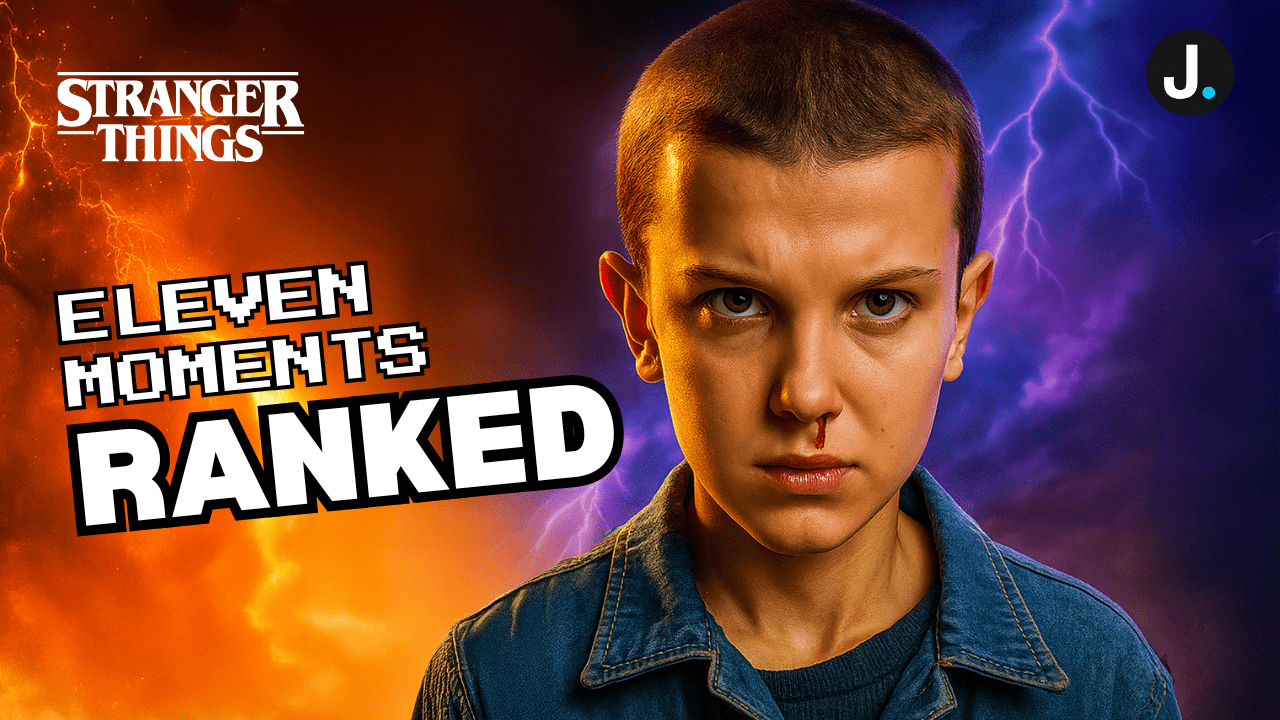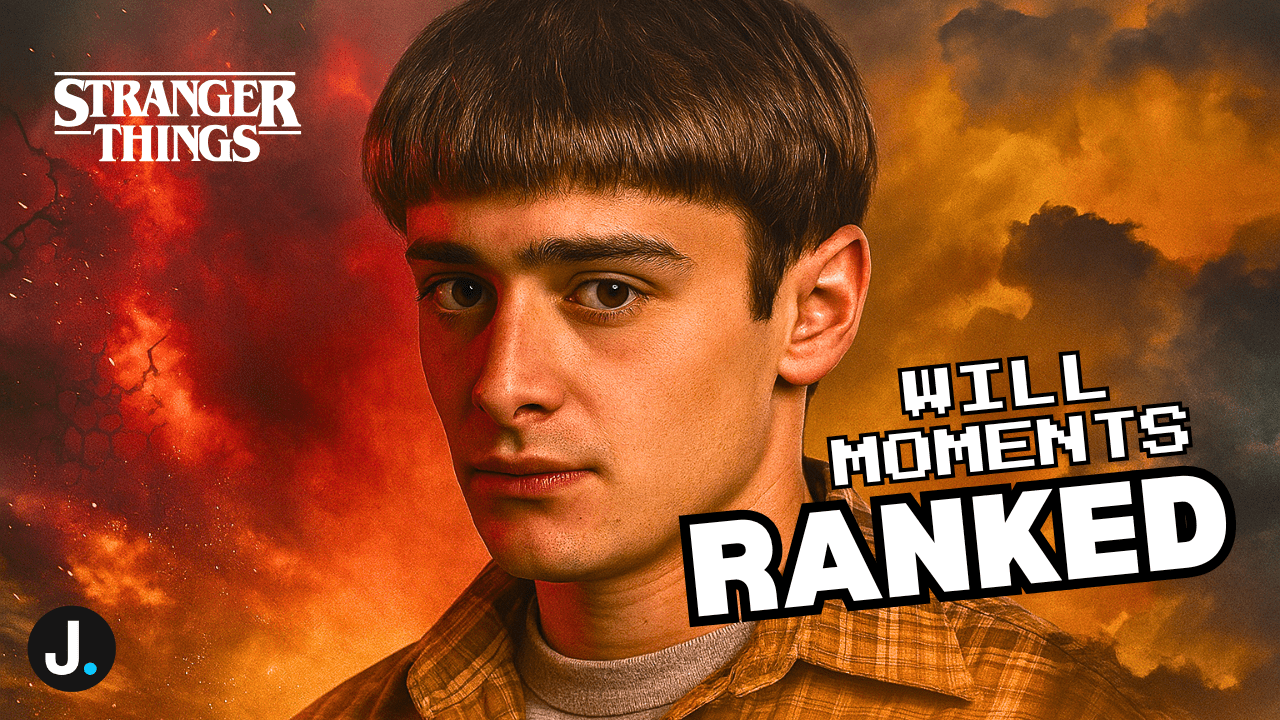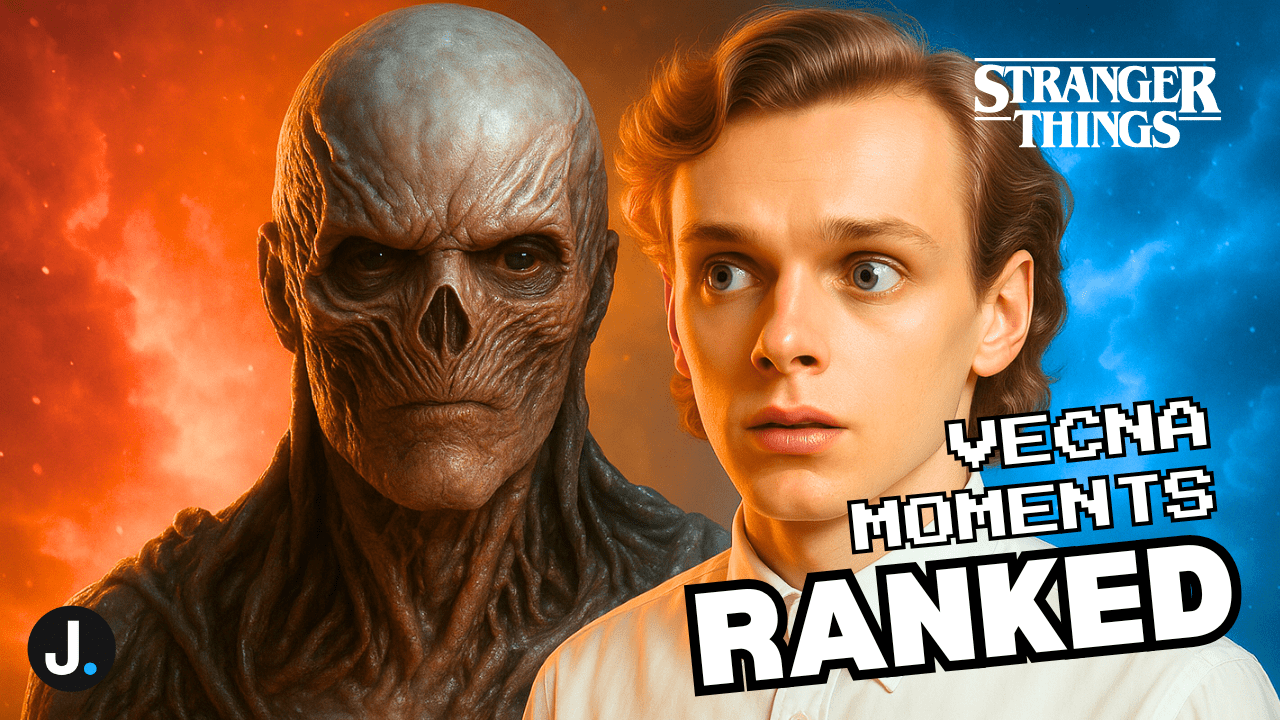
When we talk about Stranger Things, it’s tempting to credit it entirely to Spielbergian wonder or Stephen King horror, but the influence of Japanese anime runs far deeper than most casual viewers realise. In an interview with The Daily Beast, Ross Duffer admitted, “Akira was obviously a big one,” highlighting how Katsuhiro Otomo’s legendary 1988 cyberpunk film shaped the show’s visual storytelling. The high-stakes, dystopian intensity of Akira, with its sprawling cityscapes and morally complex characters, can be felt in Hawkins’ own underworld — especially in the way Eleven navigates her extraordinary powers amid everyday struggles.
Matt Duffer added, “I hadn’t seen it for a long time... but it was clearly inspired by Akira,” referring to Elfen Lied, a series less known to Western audiences but rich in ultraviolent emotional storytelling. Just like Eleven, Elfen Lied’s protagonists grapple with trauma, isolation, and the consequences of extraordinary abilities. The show’s portrayal of Eleven’s journey — her vulnerability, rage, and moral complexity — mirrors the harrowing arcs seen in these anime narratives. Both Akira and Elfen Lied emphasise how power and trauma intersect, providing the Duffers with a framework to explore intense emotional stakes while retaining accessibility for younger audiences.
This anime influence isn’t purely aesthetic. The Duffer Brothers’ incorporation of expressive character animation, dramatic framing, and moments of tension punctuated by sudden, almost surreal action sequences reflects a deep understanding of Japanese visual storytelling. Every telekinetic flare, every Upside Down confrontation carries an emotional weight that recalls the cathartic highs and lows of the best anime narratives.
Anime Aesthetics and Themes in Stranger Things
The Duffer Brothers’ creative inspiration extends beyond animation into the immersive landscapes of video games. One title that has clearly informed Stranger Things is The Last of Us, a game celebrated for its emotionally charged story and intricate character development amid a post-apocalyptic world. Just as players navigate the moral and survival dilemmas of Joel and Ellie, viewers watch the kids of Hawkins make difficult decisions under extraordinary pressure.
The urgency of their friendships, the loyalty tested under stress, and the constant negotiation of right and wrong mirror the narrative mechanics of modern storytelling in gaming. In Hawkins, the stakes are fantastical — Demogorgons, the Upside Down, Mind Flayer horrors — yet the emotional resonance remains grounded in human connection, love, and sacrifice, reflecting the same principles that make The Last of Us so compelling.
By drawing on video game storytelling, the Duffers inject the series with a sense of moral complexity. The audience experiences dilemmas alongside the characters, whether it’s Eleven confronting the consequences of her powers or the group deciding whom to trust amid chaos. This engagement mirrors the interactivity of gaming, where choices, empathy, and consequence shape the narrative, allowing Stranger Things to transcend linear storytelling while maintaining the suspense and unpredictability that fans love.
Of course, the 1980s nostalgia at the heart of Stranger Things remains the glue holding these global influences together. The Duffers have admitted that much of the decade’s cultural flavour was incorporated subconsciously, yet it serves as a potent backdrop against which anime and gaming references resonate. From arcade games to synthesiser-heavy soundtracks, from Dungeons & Dragons to VHS aesthetics, the series creates a bridge between generations.
Anime and video games act as a cultural amplifier, extending the reach of 1980s nostalgia beyond Western audiences. The visual and thematic lessons from Akira and Elfen Lied provide texture to Hawkins’ supernatural chaos, while the narrative strategies of The Last of Us ensure that each character’s emotional journey is felt as deeply as the monstrous threat facing them. By integrating these international inspirations, the Duffer Brothers transform Stranger Things into a globally informed narrative — one that speaks to the universalities of fear, friendship, and trauma.
As Stranger Things 5 approaches, this rich tapestry of influences promises a final season that honours its diverse sources. The high-stakes emotional arcs, the moral dilemmas faced by the Hawkins crew, and the visual flourishes inspired by anime and gaming are all poised to deliver a conclusion that feels both nostalgic and innovative. Fans can expect the Duffer Brothers’ careful blend of Western cinematic homage, Eastern animation aesthetics, and interactive narrative sensibilities to reach their zenith, cementing Stranger Things as a culturally resonant phenomenon that honours its international inspirations while crafting something entirely new.
The show’s ability to merge these disparate influences demonstrates a remarkable storytelling versatility. Anime teaches us about visual intensity and emotional extremes. Video games teach us about engagement, consequence, and moral complexity. 1980s nostalgia provides the tone, music, and visual identity. Together, these ingredients form the unique DNA of Stranger Things, creating a universe that is as emotionally compelling as it is thrillingly suspenseful.
Whether it’s Eleven’s psychic confrontations, the gang’s tactical teamwork, or the subtle moral tests embedded in their adventures, the series reflects the careful cultivation of global influences filtered through the lens of childhood wonder and horror. With season five, the culmination of these inspirations will likely reach a crescendo, offering both longtime fans and newcomers a finale steeped in layered storytelling, emotional stakes, and cultural homage.