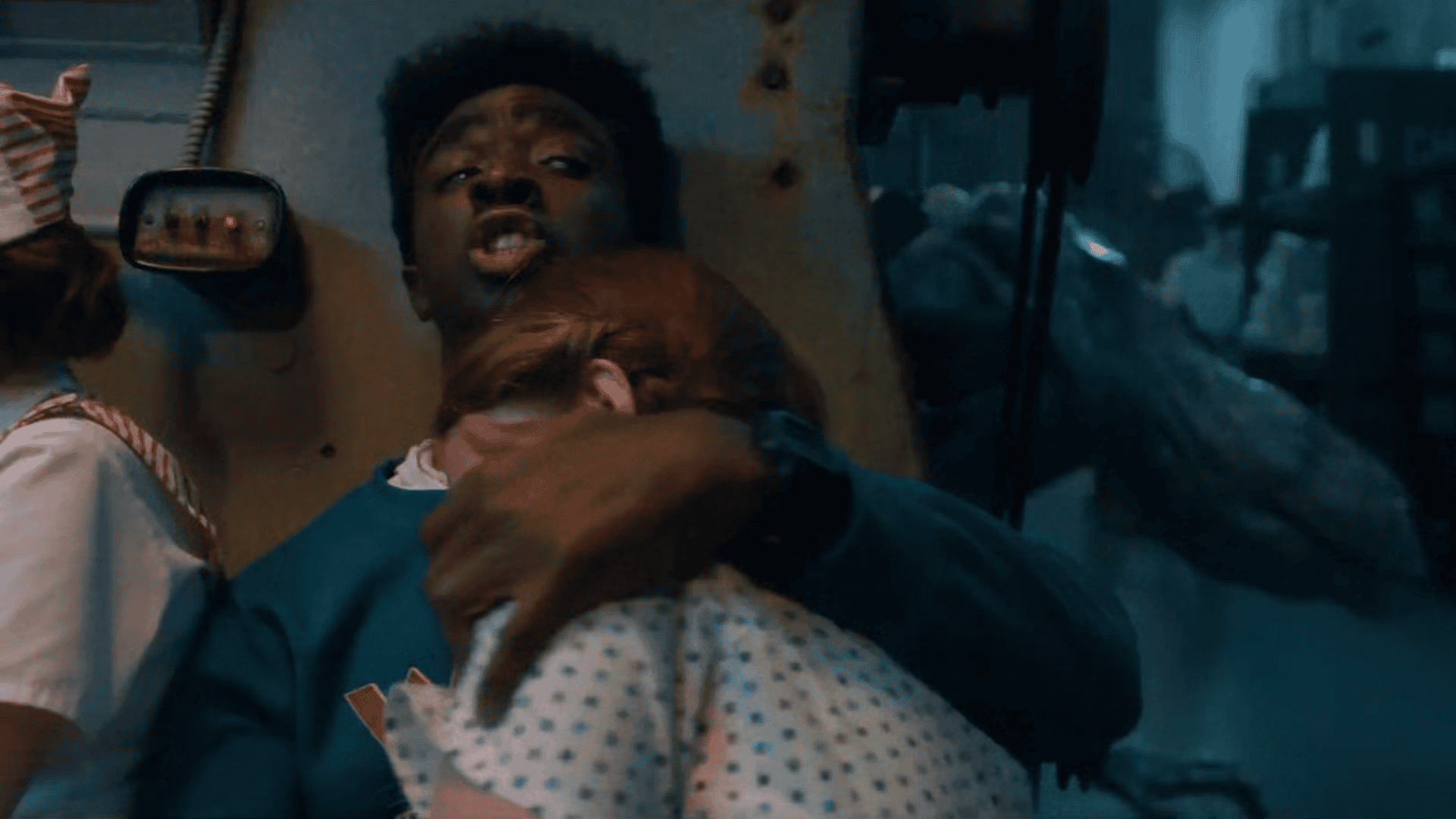
When you watch the flickering shadows and misty forests of Hawkins’ Upside Down, it’s easy to think you’re in a Spielbergian nightmare, but Matt and Ross Duffer have admitted that video games played a surprisingly big role in shaping that eerie world. In a candid conversation, Ross Duffer acknowledged the obvious: “Silent Hill is the one most people have picked up on. Because that's the least subtle one with the look of the Upside Down and with all the fog and the forest dripping. Obviously, we were really looking at that game for visualizing this other world, so that's a big one.”
Silent Hill, with its thick, obscuring fog and decaying urban spaces, gave the Duffers a template for translating the otherworldly horrors into something viscerally real on screen. Every shadowy corner, every indistinct figure in the distance, echoes the kind of dread players experience navigating the game’s liminal spaces. The show’s Upside Down feels like a playable level in a survival horror game, where anticipation and fear are constant companions.
But the true inspiration for Stranger Things’ emotional heartbeat comes from a very different source. Matt Duffer revealed, “I love that game and the storytelling in that game and a lot of the imagery,” referring to The Last of Us. Unlike Silent Hill, The Last of Us emphasises relationships, sacrifice, and the moral complexity of its characters. Its post-apocalyptic narrative — fraught with personal loss and ethical dilemmas — resonates with the Duffer Brothers’ approach to Eleven, Mike, and the rest of Hawkins’ kids.
Where Silent Hill informed the look of danger, The Last of Us taught them how to make that danger emotionally impactful. It’s the difference between a jump scare and a scene that makes you care deeply about the stakes. Eleven’s journey, the sacrifices of friends, and the grief that permeates Season 4 and beyond echo the weighty storytelling mechanics of this seminal game, proving that horror is most compelling when it’s entwined with humanity.
Stranger Things Gaming Inspirations Behind the Upside Down
Beyond Silent Hill and The Last of Us, the Duffers drew inspiration from another unexpected gaming source: Dark Souls. Known for punishing difficulty, haunting environments, and almost suffocating tension, the Dark Souls series instills a unique kind of dread in its players. Matt Duffer elaborated, “We’re huge, huge fans of the Dark Souls games, and there’s something about when you’re playing Dark Souls — immediately when you're in that world, it was to do with the imagery, it has to do with the sound design, and you're just immediately very uncomfortable and on edge. We wanted you to feel that way when you're in the Upside Down.”
It’s a subtle but powerful influence. Dark Souls doesn’t just scare players with monsters; it unnerves them with atmosphere, audio cues, and the sheer uncertainty of what lurks around the next corner. Translating that to television, the Duffers created an Upside Down that’s oppressive, unpredictable, and psychologically tense. Fog rolls in, shadows twist unnaturally, and the ambient sound of dripping water or distant screeches makes even the quietest scene feel dangerous. In doing so, Stranger Things borrows the immersive mechanics of gaming to elevate horror beyond mere spectacle.
The Upside Down becomes a character itself, and like in Dark Souls, the audience feels that constant, edge-of-your-seat anxiety. Every encounter with a Mind Flayer or a Demogorgon carries the weight of possible catastrophe, not just because of monster design but because the world itself is hostile and unrelenting.
The Duffers’ approach highlights a fascinating evolution in storytelling: television borrowing structural and thematic principles from interactive media. Matt Duffer admitted, “There’s a lot of different influences, and some of them I'm probably not even aware of. I just know that we do play and have always played a lot of video games so I feel like there is a lot of that seeped into the show.”
This influence shows up in surprising ways. Character choices, moral dilemmas, and the emotional consequences of actions mirror the decision-making mechanics of games like The Last of Us. Stranger Things isn’t a passive ride through 1980s nostalgia; it engages audiences in a story where the weight of loss, loyalty, and courage matters just as much as supernatural battles.
Even the visual language borrows from gaming. The careful framing, environmental storytelling, and layered sound design are all techniques honed in games to guide players emotionally. By blending these techniques with cinematic approaches — handheld camera work, strategic lighting, and dynamic editing — the Duffers have created a hybrid form that bridges passive and interactive storytelling.
As Season 5 approaches, these gaming influences are poised to amplify the emotional stakes. Fans can expect tension reminiscent of Silent Hill, the moral complexity of The Last of Us, and the atmospheric dread of Dark Souls to converge in a finale that’s as nerve-wracking as it is emotionally resonant. Every shadow in Hawkins, every crackling light, and every moral dilemma will feel informed by this rich tapestry of inspiration.
Stranger Things demonstrates how games have transcended their medium to inform film and television, proving that interactive storytelling isn’t confined to a screen you hold in your hands. It’s about immersion, empathy, and emotional investment — qualities the Duffer Brothers have mastered, making the Upside Down a world that lingers in the mind long after the credits roll.