When Matt and Ross Duffer first envisioned Stranger Things, they knew they wanted to tap into 1980s nostalgia, but they also wanted something darker — monsters that felt terrifying because of their connection to human history. Unlike many horror shows that lean on spirits or supernatural apparitions, the Duffers made a conscious choice: these creatures would be products of science gone awry.
“We read a lot about the Cold War and the experiments which took place,” Matt Duffer revealed, shedding light on the depth of research behind the show’s mythology. The horrors of Hawkins’ secret laboratory are not accidents; they are the byproducts of an era steeped in secrecy, paranoia, and ethically dubious scientific ambition. By situating the show in 1983, just before the release of Red Dawn, the Duffers evoke the pervasive fear of espionage, invasion, and the unknown that characterised the decade. The monsters become extensions of these anxieties, reminders that the real terror lies in human behaviour rather than ghosts or demons.
The choice to frame the narrative around Cold War-era scientific experiments allows Stranger Things to explore layered thematic territory. The Upside Down, with its shadowy landscape and malevolent inhabitants, mirrors not only Hawkins’ physical world but also the potential consequences of humanity’s relentless curiosity. The monsters serve as allegories for the dangers inherent in unchecked ambition, creating a horror that resonates on both a psychological and historical level.
Cold War Paranoia and the Origins of Stranger Things’ Monsters
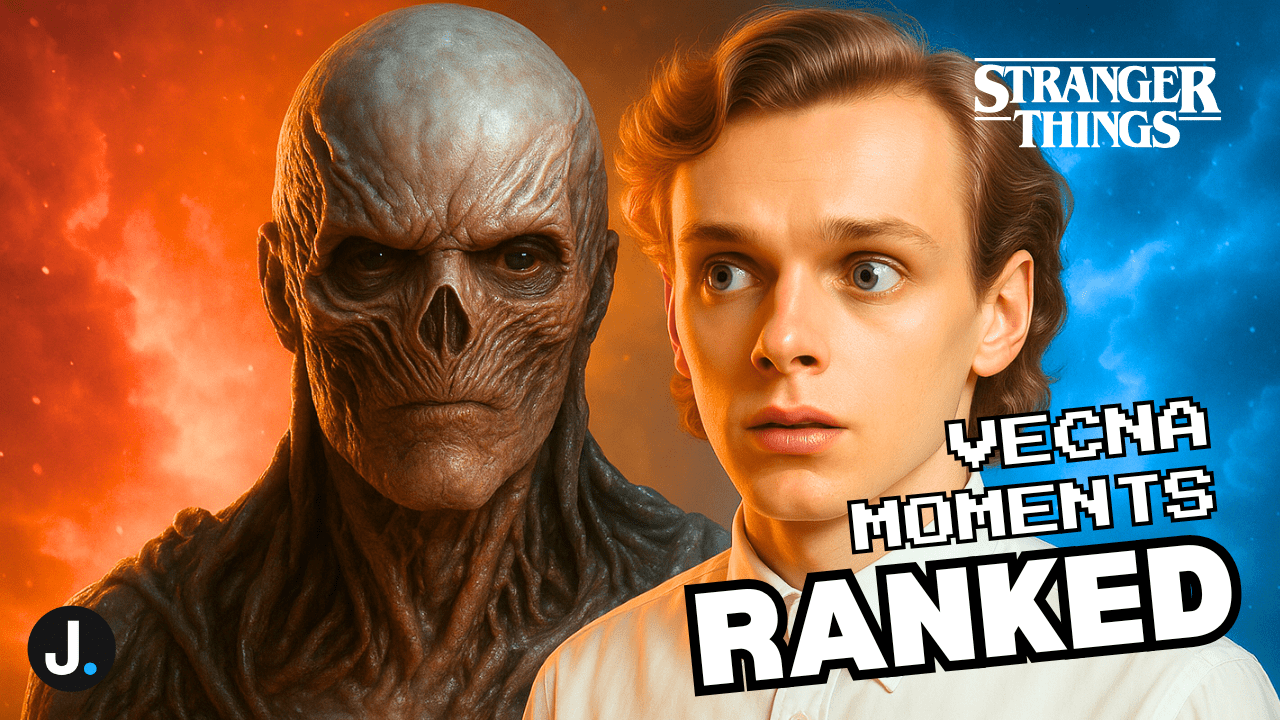
From the terrifying Demogorgon that devours hapless townsfolk to the insidious Mind Flayer orchestrating chaos, Stranger Things monsters are manifestations of scientific experimentation, not supernatural forces. This deliberate choice separates the show from conventional horror narratives and adds a profound sense of plausibility.
By crafting an alternate dimension—the Upside Down—born from human meddling, the Duffers encourage viewers to consider the consequences of curiosity and technological overreach. The Demogorgon, with its skeletal structure and unnatural agility, is frightening precisely because it is the result of experimentation and human hubris. Similarly, the Mind Flayer represents the ultimate perversion of nature: intelligence and malevolence amplified through unnatural means.
This focus on science as the source of horror elevates the narrative beyond standard jump scares. As Matt Duffer puts it, these creatures are frightening because they emerge from consequences humans can understand — even if they cannot fully control them. Unlike spirits, which can be dismissed as “otherworldly,” the monsters of Hawkins confront characters (and viewers) with ethical and existential dilemmas. The terror is tangible because it is plausible, and it resonates on a personal level: what happens when humanity crosses the line in its pursuit of knowledge?
As Season 5 approaches, the historical grounding of Hawkins’ monsters will continue to inform both plot and character development. The Duffer Brothers have consistently balanced their homage to 1980s pop culture with thoughtful exploration of the moral and psychological implications of science gone awry. By keeping the monsters rooted in Cold War fears and scientific experimentation, the series maintains its edge, offering horror that is both entertaining and intellectually engaging.
These creatures are more than mere obstacles for Eleven, Mike, and the rest of the gang; they are catalysts for introspection. Characters’ reactions to the Demogorgon or the Mind Flayer reveal moral courage, personal resilience, and ethical struggle. This approach ensures that the horror remains layered: thrilling action sequences are underscored by the psychological weight of facing what humanity itself has unleashed.
In an era still wrestling with the consequences of unchecked technological advancement, Stranger Things feels as relevant as ever. The monsters are reminders of the shadows cast by ambition, secrecy, and human error. Season 5 promises to delve even deeper into these themes, delivering suspenseful encounters and narrative complexity while keeping the audience emotionally invested.
By steering clear of spiritual horror and embracing science-rooted monsters, the Duffer Brothers have created a unique brand of terror that combines nostalgia, ethical inquiry, and immersive storytelling. As viewers prepare for the final season, it’s clear that the monsters of Hawkins will continue to haunt us — not because they are supernatural, but because they are terrifyingly human in origin.