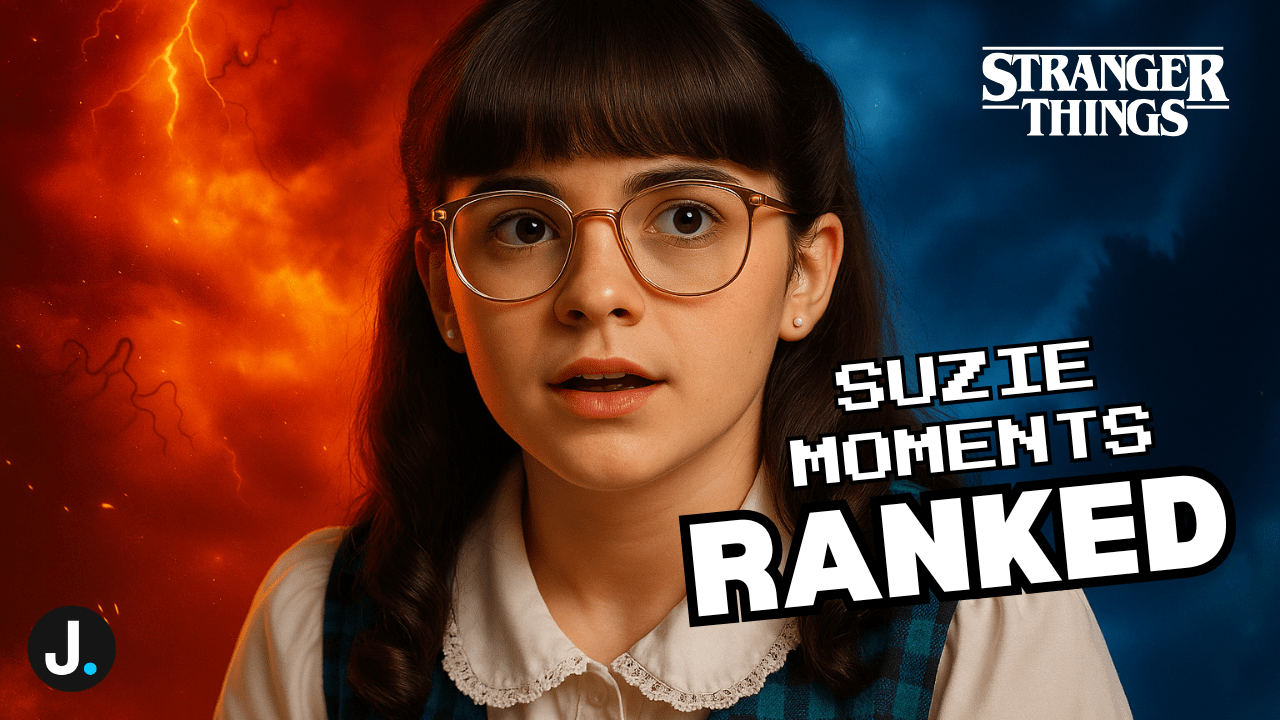
Few shows have mastered the art of nostalgia like Stranger Things. From VHS tapes to Dungeons & Dragons campaigns, every frame is a love letter to the 1980s. In Season 3, the series took it a step further with a moment that would become iconic: Dustin and Suzie’s duet of The NeverEnding Story theme song.
It wasn’t just a playful homage; it was a portal to the past, transporting viewers to 1984. The song, originally performed by Limahl, carries with it the whimsy and adventure of the fantasy film, and placing it in the series did more than entertain—it resonated. Nostalgia, when wielded correctly, can be incredibly powerful. For fans who grew up with the film, it triggered a flood of memories. For younger viewers, it was an introduction to a magical piece of cinema history they may have never encountered.
The impact was measurable and dramatic. Streaming platforms reported an 800% increase in views and listens for The NeverEnding Story, demonstrating how a carefully curated cultural reference can revive entire works. It was a reminder that nostalgia is not merely sentimentality—it is a potent narrative tool that bridges generations, emotions, and artistic mediums.
The scene in which Dustin and Suzie sing the theme song didn’t just affect fans—it shone a spotlight on Limahl, the artist whose career peaked in the 1980s with the song’s release. For decades, Limahl had largely receded from mainstream attention, yet Stranger Things gave him an unexpected renaissance.
By connecting the characters’ youthful curiosity and joy to the music, the show created a layered experience. Fans could enjoy a heartfelt moment between two characters while simultaneously engaging with a broader cultural moment. Limahl’s song was no longer just a relic; it became a living part of contemporary pop culture, appreciated anew by fans both old and new.
This resurgence reflects a broader trend in streaming-era storytelling. Platforms like Netflix are not merely content distributors; they act as curators of cultural memory. By integrating a classic song into a pivotal narrative moment, Stranger Things demonstrated how television can influence music and film consumption patterns, reviving decades-old works and generating new audiences in the process.
The boost in The NeverEnding Story viewership after Season 3 is a vivid illustration of the series’ capacity to generate ripple effects across the entertainment landscape. Nostalgia, when executed as part of a coherent narrative, has the ability to drive attention, engagement, and renewed interest in previously forgotten or underappreciated media.
Stranger Things thrives on this dynamic. The series’ careful curation of 1980s references—from films to music to pop culture icons—creates a shared cultural language between the characters and the audience. The inclusion of The NeverEnding Story serves multiple purposes: it enhances the character moment, reinforces the show’s nostalgic tone, and bridges the gap between different generations of viewers. The result is a phenomenon where a single scene can catalyse broader cultural discovery, breathing life into classic films and songs and sparking discussions across social media and streaming platforms.
For fans, this is a reminder that the show operates on multiple layers. It entertains, it thrills, and it educates—offering context and homage to the art that shaped an era. For creators, it demonstrates the enduring power of thoughtful integration of cultural references in storytelling.
As Stranger Things gears up for its fifth season, the impact of its nostalgic references continues to reverberate. The series has shown that careful curation of the past can deepen audience engagement, creating moments that are both emotionally resonant and culturally significant.
The 800% increase in viewership for The NeverEnding Story underscores the importance of nostalgia in contemporary media. It exemplifies how television can act as a gateway, introducing audiences to beloved works from previous generations while creating new appreciation for enduring art. Characters singing a song from 1984 becomes a shared experience that connects viewers across age, geography, and cultural familiarity.
Stranger Things proves that nostalgia, when intertwined with compelling storytelling, has the power to revive classic works, elevate artists like Limahl, and ensure that cultural memory remains vibrant. It also reminds creators and fans alike that the stories of the past have a lasting resonance, capable of shaping contemporary culture in surprising and delightful ways.