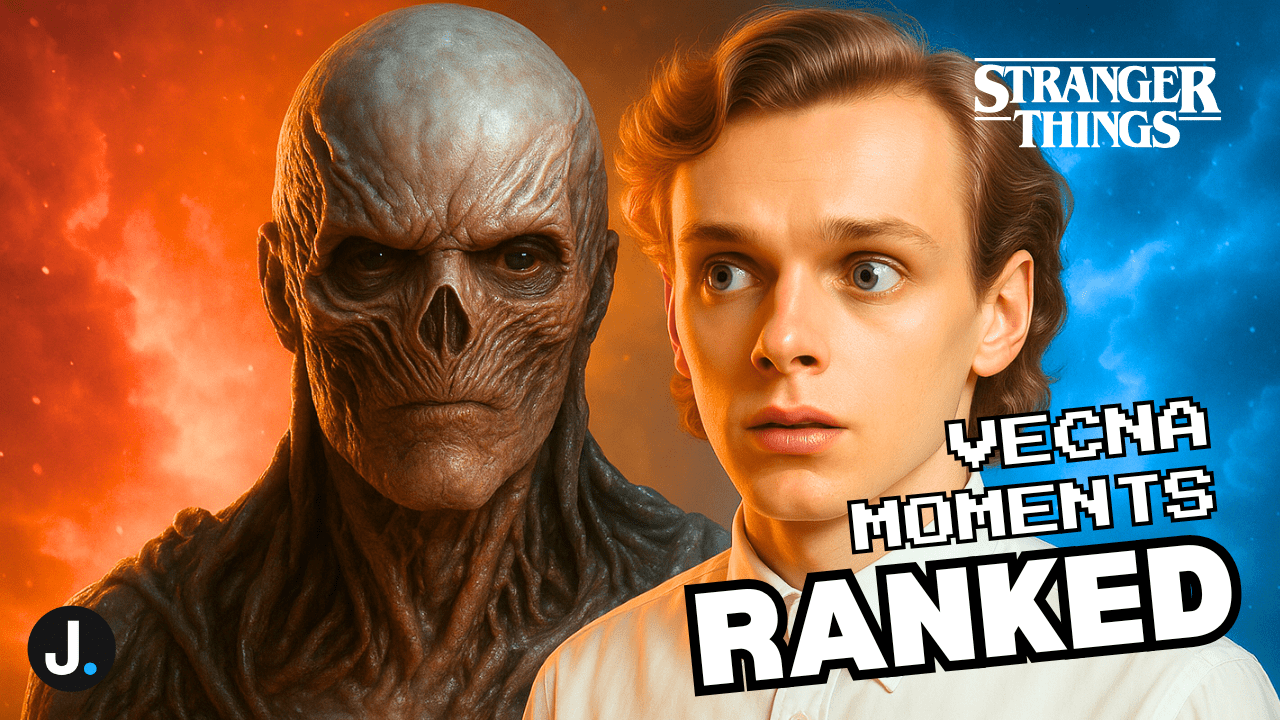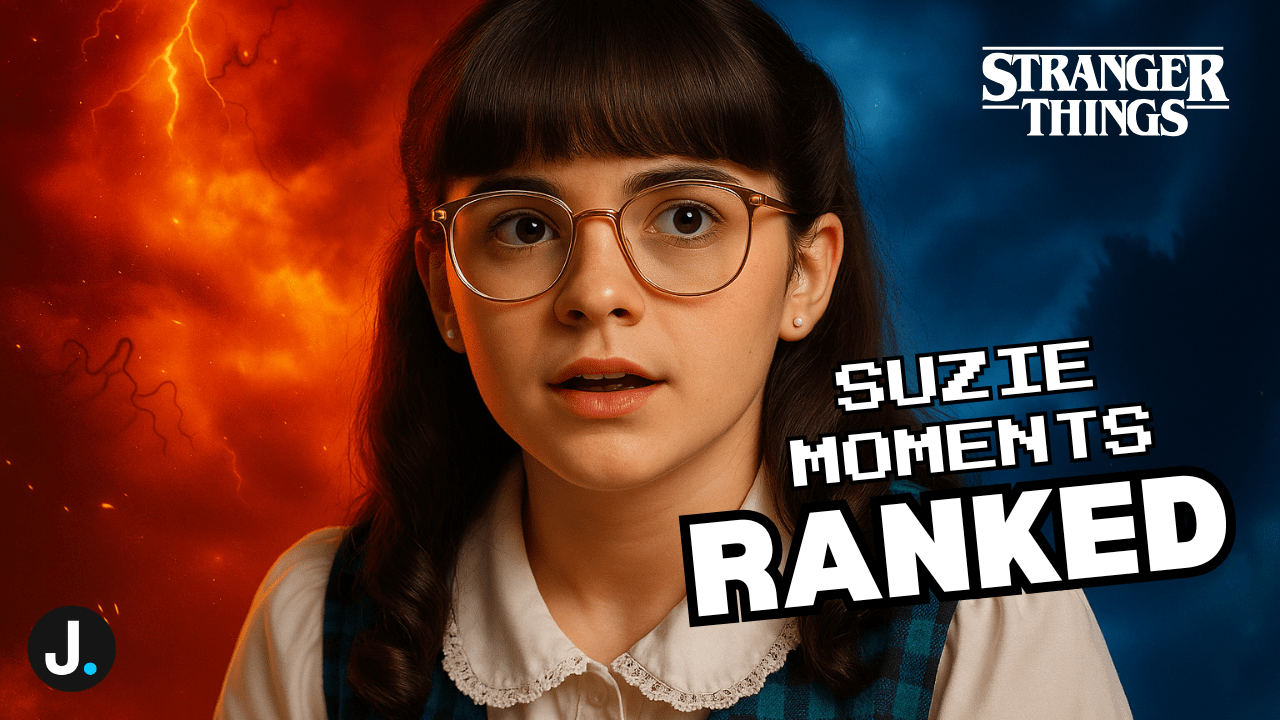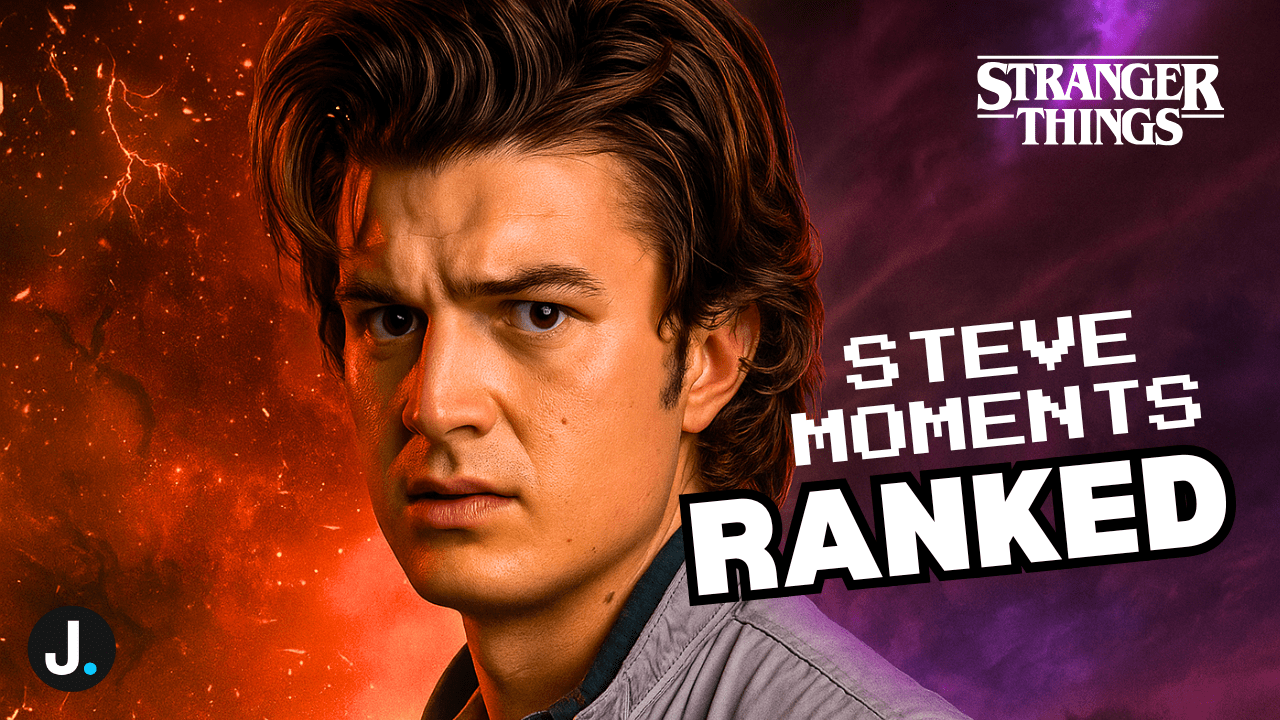
The moment you hear the whir of bicycles on Hawkins’ suburban streets, you know exactly where Stranger Things is coming from. The Duffer Brothers have built a world that feels comfortably familiar yet thrillingly unpredictable, borrowing the visual and emotional sensibilities of Steven Spielberg’s films. Think of the tender, awe-filled moments of E.T. or the heart-pounding curiosity of Close Encounters. Stranger Things infuses these motifs with its own supernatural spin: Demogorgons, the Mind Flayer, and the ominous Upside Down lurking just a few streets away.
In a candid conversation on the Happy Sad Confused podcast, the Duffers elaborated on their vision: “We wanted to bring back that more not ironic, sincere, adventure, family storytelling that just seemed to have gone [away] – with the exception of Super 8, nobody was doing [it].” The sincerity is key. Where many modern series lean into irony, Stranger Things embraces earnestness—playful yet profound, thrilling yet emotionally resonant. It’s this careful balancing act that allows the show to feel like a love letter to Spielberg while establishing its own voice within contemporary television.
The nostalgia isn’t superficial; it’s woven into the narrative DNA. Every set piece, every carefully lit suburban street, every shadowy glimpse of the Upside Down harks back to a time when adventure and fear coexisted on equal footing. It’s a tactile, immersive experience, like watching a VHS of your favourite childhood movie come to life in high definition.
Nostalgia Meets Originality in Stranger Things
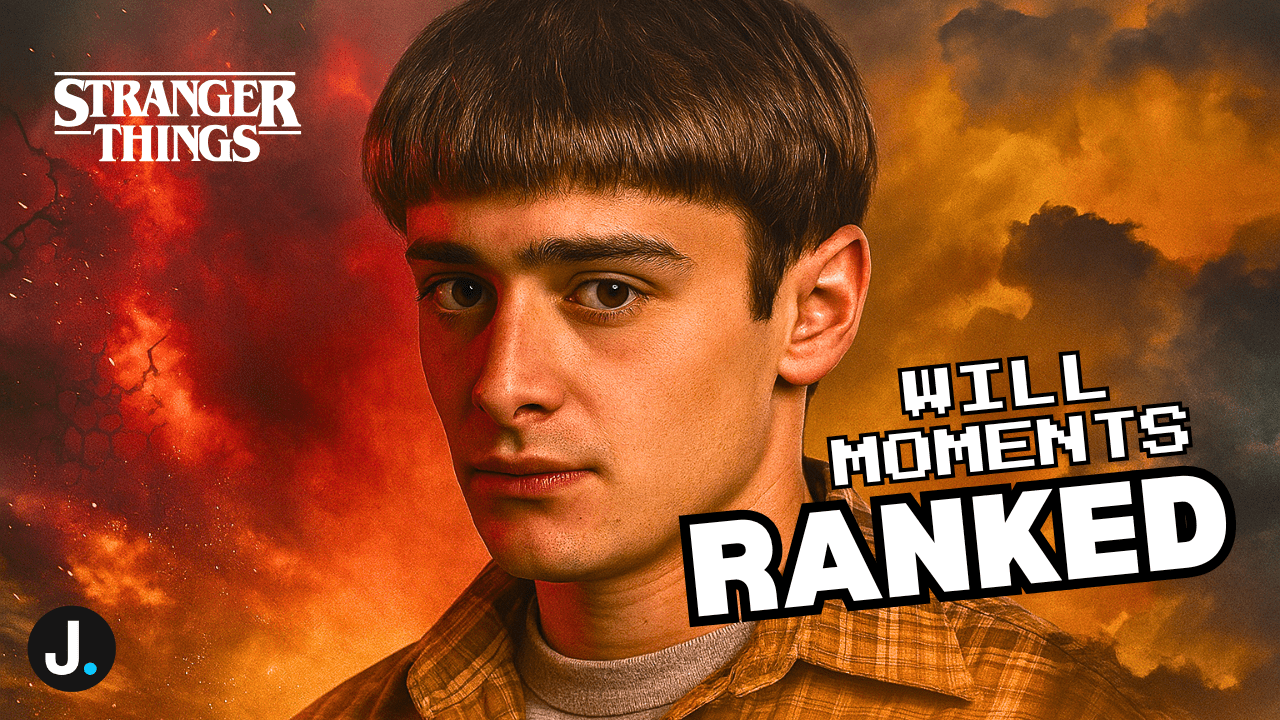
The heart of Spielbergian storytelling often lies in the eyes of its children, and Stranger Things carries this tradition proudly. Like Joe Lamb and his friends in Super 8, Will, Mike, Dustin, Lucas, and Eleven navigate extraordinary circumstances with a combination of fear, bravery, and unbreakable loyalty. These characters ground the show in emotional authenticity, allowing viewers to relate to their struggles even amidst demogorgons and interdimensional horrors.
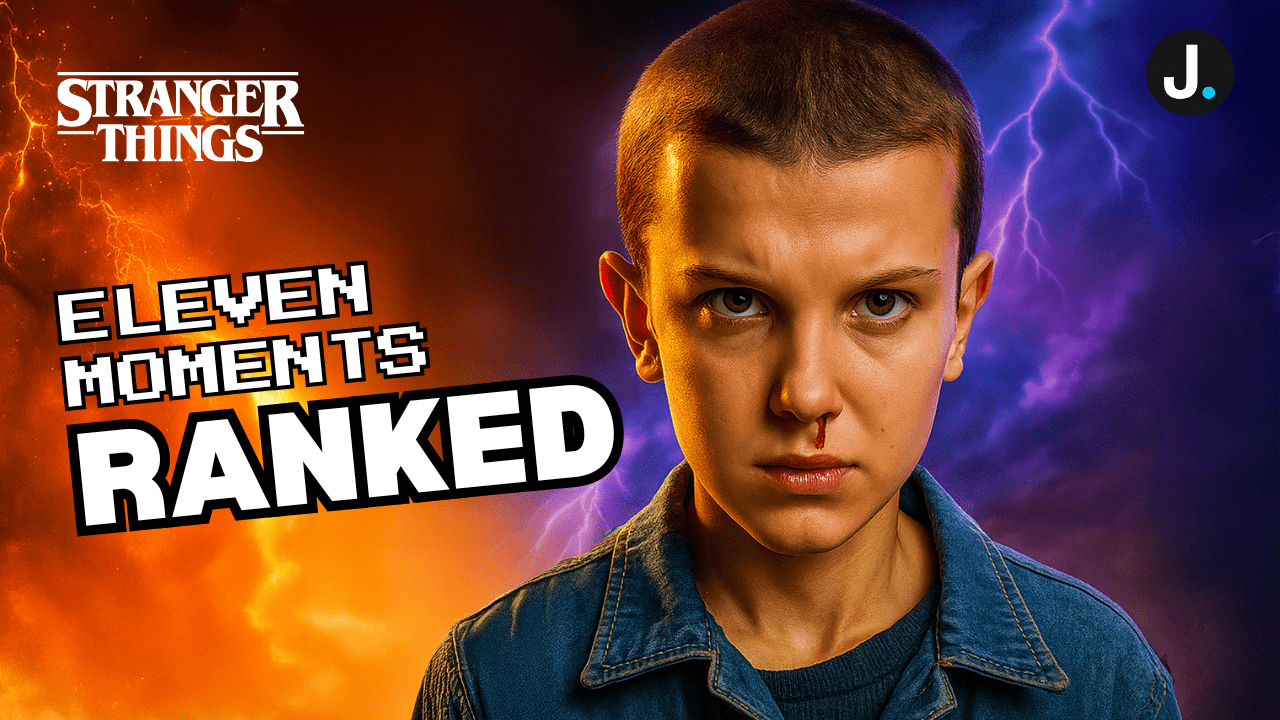
What’s remarkable is how the series intertwines coming-of-age stories with high-stakes suspense. Eleven’s journey of self-discovery, Mike’s loyalty, and Dustin’s ingenuity are emblematic of Spielberg’s influence: characters whose inner lives matter as much as the external threats they face. Their growth mirrors that of the young protagonists in Spielberg’s films, whose adventures reveal resilience, empathy, and courage in the face of overwhelming odds.
Humour plays a role too. The light-hearted banter between characters, their awkward teenage moments, and the spontaneous bravery of a child confronting the unknown all contribute to a storytelling balance reminiscent of Spielberg’s family-centric films. By trusting children to carry the narrative’s emotional weight, Stranger Things captures the wonder, fear, and thrill that define classic adventure storytelling.
As Stranger Things gears up for its fifth and final season, the franchise’s future looks poised to carry Spielbergian storytelling into fresh territory. Upside Down Pictures, the Duffer Brothers’ new production arm, aims to extend the universe through ambitious projects like a Death Note adaptation and an animated series. This trajectory mirrors the approach of J.J. Abrams, who leveraged the success of Super 8 to embark on major cinematic ventures, blending spectacle with sincere character-driven storytelling.
The magic of Spielberg’s influence lies not only in visual style but in narrative philosophy. It’s about cultivating wonder, exploring the unknown, and letting characters’ emotional journeys guide the spectacle. The Duffer Brothers have embraced this ethos, ensuring that future projects retain the balance between heart and thrill that has made Stranger Things a cultural phenomenon.
Ultimately, Stranger Things demonstrates the timeless appeal of Spielbergian storytelling: it reminds us that adventure is as much about the people we share it with as it is about the dangers we face. The fifth season promises to uphold this tradition, with friendships tested, mysteries revealed, and the enduring power of childhood curiosity and resilience centre-stage.
For fans and newcomers alike, the series exemplifies how homage can coexist with originality, creating a world that celebrates its inspirations while crafting unforgettable narratives. As Hawkins prepares for its final showdown, the Duffer Brothers’ commitment to Spielbergian principles ensures that the emotional and adventurous spirit of the series will continue to inspire audiences long after the screen goes dark.