When the Duffer Brothers began drafting Stranger Things, they weren’t simply jotting down a supernatural thriller—they were constructing an entire world brimming with nuance, tension, and nostalgia. What’s remarkable is that the casting of characters like Will, Mike, Dustin, Lucas, and Eleven was done after only the first script was complete.
This early document wasn’t a rough sketch; it was a fully realised blueprint of character, emotion, and narrative tone. By completing the script before casting, the Duffers could ensure that they selected actors who could naturally embody the personalities, quirks, and vulnerabilities of the characters. It was a bold gamble, relying on the actors to breathe life into roles that existed only on paper, but the gamble paid off spectacularly.
Matt Duffer explained it succinctly: the actors weren’t meant to merely perform; they were meant to become the characters. That first script gave them a foundation to build upon, allowing their performances to feel instinctive and authentic. Finn Wolfhard, Millie Bobby Brown, and Noah Schnapp, among others, were not just reading lines—they were stepping into personalities that already existed in the Duffers’ imagination, ready to merge with their own identities.
The result? Characters that were alive, dynamic, and compelling from the very first episode. Audiences weren’t watching child actors—they were meeting friends, allies, and heroes who felt as real as the town of Hawkins itself.
What truly sets Stranger Things apart is how subsequent scripts evolved to reflect the actors themselves. Once the core cast had been chosen, the Duffer Brothers began incorporating nuances of their real personalities into the narrative.
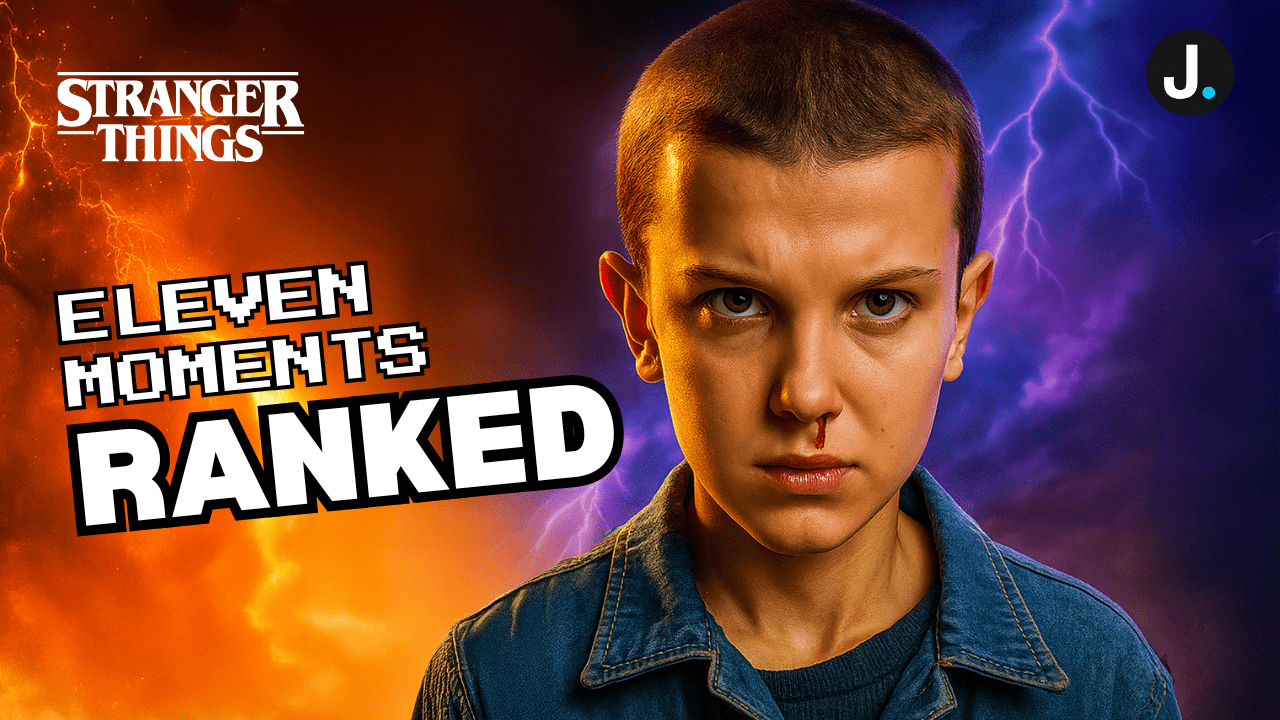
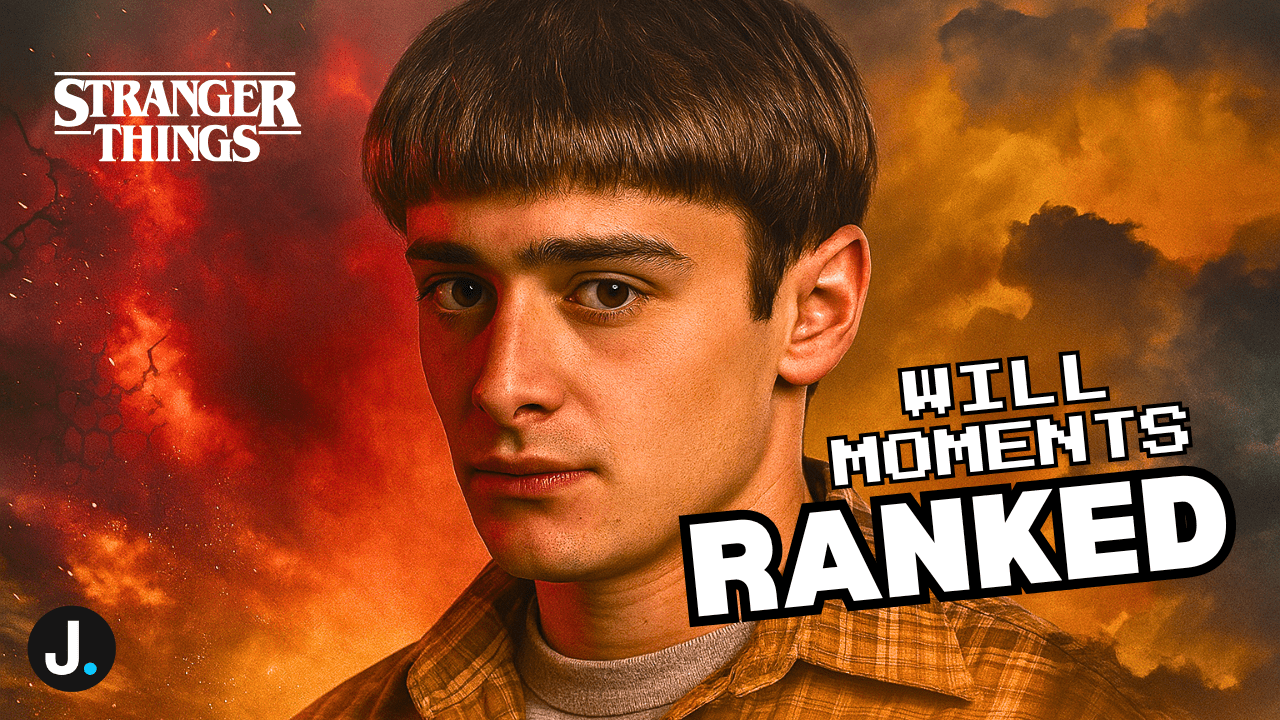
The friendships formed during auditions and early table reads didn’t remain behind the scenes; they became integral to the characters’ relationships. For example, the camaraderie between Finn Wolfhard (Mike) and Gaten Matarazzo (Dustin) informed countless on-screen interactions, making the characters’ bonds feel effortless and genuine. Millie Bobby Brown’s intensity and quiet charisma helped define Eleven, whose stoic moments and explosive bursts of emotion mirrored her own temperament in subtle ways. Even Noah Schnapp (Will) brought a certain vulnerability that enriched the portrayal of a child navigating trauma and the mysteries of the Upside Down.
By allowing the actors’ real-life quirks, humour, and instincts to seep into the scripts, the Duffers created a feedback loop between performance and narrative. A line of dialogue could be rewritten because it felt natural for a particular actor, or a character’s reaction adjusted to match an actor’s authentic timing. These decisions made the storytelling feel alive and unpredictable, a quality that traditional scripted shows often struggle to capture.
It wasn’t a matter of improvisation alone; it was careful calibration. The Duffer Brothers observed, adapted, and integrated, ensuring that every personality trait contributed meaningfully to the story. The result is a show where viewers don’t just watch the characters—they understand them, empathise with them, and invest in their survival and growth.
The casting approach of Stranger Things has left a lasting mark on both industry practices and the viewing experience. By prioritising authenticity and actor-character synergy, the show has created a model for casting young performers in ways that enrich narrative depth.
The impact on audiences is equally profound. Viewers have spent years watching these child actors grow alongside their characters, forming a bond that feels remarkably intimate. The stakes of the Upside Down feel more pressing because the cast’s genuine friendships and emotional honesty bleed through the screen. Fans aren’t simply entertained—they feel protective, invested, and connected.
As Stranger Things 5 approaches, it’s worth remembering how much of the show’s emotional resonance stems from these early casting choices. The first script laid the groundwork, but the actors’ contributions brought it to life, blending story and performance in a way that feels effortless. This strategy underscores a truth about great storytelling: the best narratives don’t merely dictate action—they invite collaboration, letting the people who bring the story to life become part of its very fabric.
Ultimately, the success of Stranger Things lies not only in its supernatural thrills or 1980s nostalgia but in its heart—the youthful cast whose real-life experiences, friendships, and personalities have shaped the very essence of Hawkins. As fans gear up for the final season, the legacy of that first script and the intuition behind the casting process reminds us why this series continues to resonate so powerfully. It is a story crafted with care, performed with authenticity, and adored with the sort of devotion that only comes from characters who feel real.