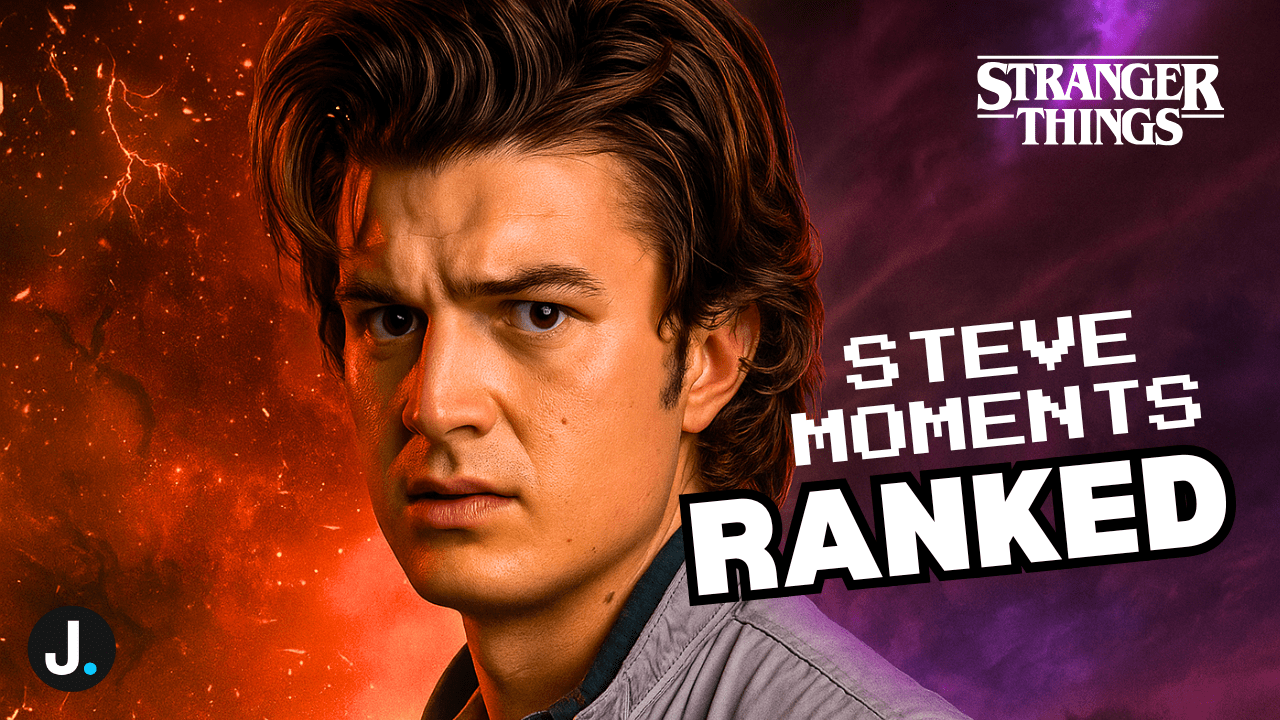
At its heart, Stranger Things is a coming-of-age story dressed in the garb of supernatural suspense, and it carries the unmistakable fingerprints of its creators. Matt and Ross Duffer have admitted that their own experiences as outcasts in high school shaped the emotional core of the series. “We always felt like we were on the outside looking in," Matt revealed during an interview. That sentiment flows through the veins of the show, colouring the experiences of Mike, Dustin, Lucas, and their circle as they navigate friendship, adolescence, and, of course, the terrifying incursions of the Upside Down.
Barb’s character, often remembered for her tragic fate, exemplifies the overlooked or marginalised friend—a direct echo of the brothers’ high school memories. Her invisibility within her friend group, and her eventual narrative weight, highlight themes of recognition and empathy. It’s these personal inflections that allow viewers to identify not just with the fantastical adventures, but with the very human moments of awkwardness, longing, and emotional vulnerability.
The Duffer Brothers’ approach ensured that even amid Demogorgons, Mind Flayers, and the chaos of Hawkins Lab, the show remained grounded in the relatable turmoil of adolescence. Every bike ride, sleepover, or group confrontation reflects not just cinematic nostalgia, but the lived realities of growing up “on the outside.”
Beyond modelling the gang on themselves, the Duffers meticulously nurtured their characters through an intimate understanding of social hierarchies, insecurities, and interpersonal dynamics. They positioned their protagonists in scenarios that blend levity with gravity, allowing authentic emotional reactions to shape the narrative. Ross Duffer elaborated: “We poured a lot of our own feelings into the show."
By leaning on their own past, the brothers made the characters feel lived-in. Dustin’s loyalty, Mike’s leadership, Lucas’s pragmatic bravery, and Eleven’s quiet resilience all draw from real experiences of isolation, resilience, and friendship. The subtle layers of tension, humour, and empathy are informed not by abstract theory but by genuine emotional memory.
The Duffer Brothers’ hands-on approach to character development also ensured that minor details—the awkward glance, the hesitant joke, the unspoken fear—felt organic. These traits, rooted in personal recollection, allow the audience to connect with the characters on a profoundly human level. Stranger Things succeeds because the stakes are simultaneously cosmic and personal: the fate of Hawkins’ citizens and the trials of growing up are inseparable, both infused with the authenticity of the Duffers’ own childhood.
Nostalgia has been a driving force behind Stranger Things, from its 1980s pop culture references to the analogue technology that adorns Hawkins’ streets. Yet, it’s the authenticity of relationships that resonates most. The Duffer Brothers’ personal history provides this grounding, making the show more than a period piece or supernatural spectacle—it is a mirror for universal adolescent experiences.
Each season builds on these foundations, demonstrating the complexities of friendship, the pangs of unacknowledged feelings, and the resilience of children navigating both literal and figurative monsters. As viewers prepare for Season 5, they engage not just with the narrative arc of the Upside Down but with the deeply human storytelling embedded in the characters. Matt and Ross Duffer have shown that authenticity and nostalgia can coexist, creating a world that feels both fantastical and remarkably true to life.
The emotional resonance of Stranger Things stems from this intimate infusion of lived experience. By threading their own stories of alienation and the longing for connection into the supernatural adventures of Hawkins, the Duffer Brothers crafted a series that appeals to both the child discovering the world for the first time and the adult reflecting on their formative years. It is this duality that gives Stranger Things its enduring charm: it entertains, it thrills, but above all, it resonates.