When the Duffer Brothers first revealed that the script for Stranger Things Season 4 had topped 800 pages, jaws collectively hit floors across the globe. Imagine leafing through a script almost the size of a Tolkien novel, brimming with intricate plots, emotional beats, and enough supernatural horror to keep Hawkins permanently on edge. This was not merely a season; it was a storytelling marathon that demanded a new approach to television narrative.
The decision to split the season into two volumes made perfect sense in hindsight. Instead of overwhelming viewers with an epic-length binge, Netflix and the Duffers opted for a staggered experience, giving audiences the adrenaline rush of immediate thrills while leaving just enough cliffhangers to keep speculation at fever pitch. It was a masterstroke, a strategic balance between indulgence and suspense that reflected a deep understanding of modern binge culture.
What’s remarkable is that these 800-plus pages were not a jumble of monster fights and jump scares. Every script bristled with careful character work, layered subplots, and dialogues that drew you closer to Hawkins’ familiar gang while introducing new players who added texture to the already complex universe. By creating this sprawling narrative, the Duffers transformed the series from a nostalgic homage to a genuine cultural phenomenon with a cinematic scope rarely seen in TV.
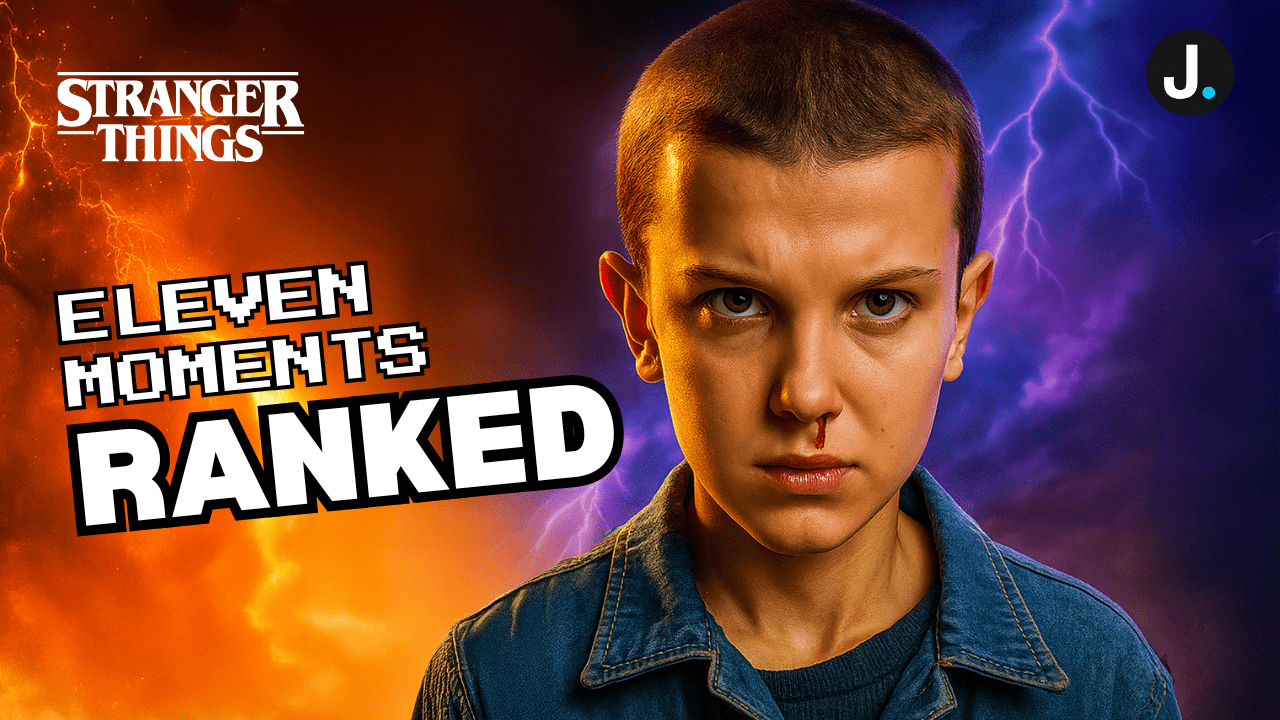
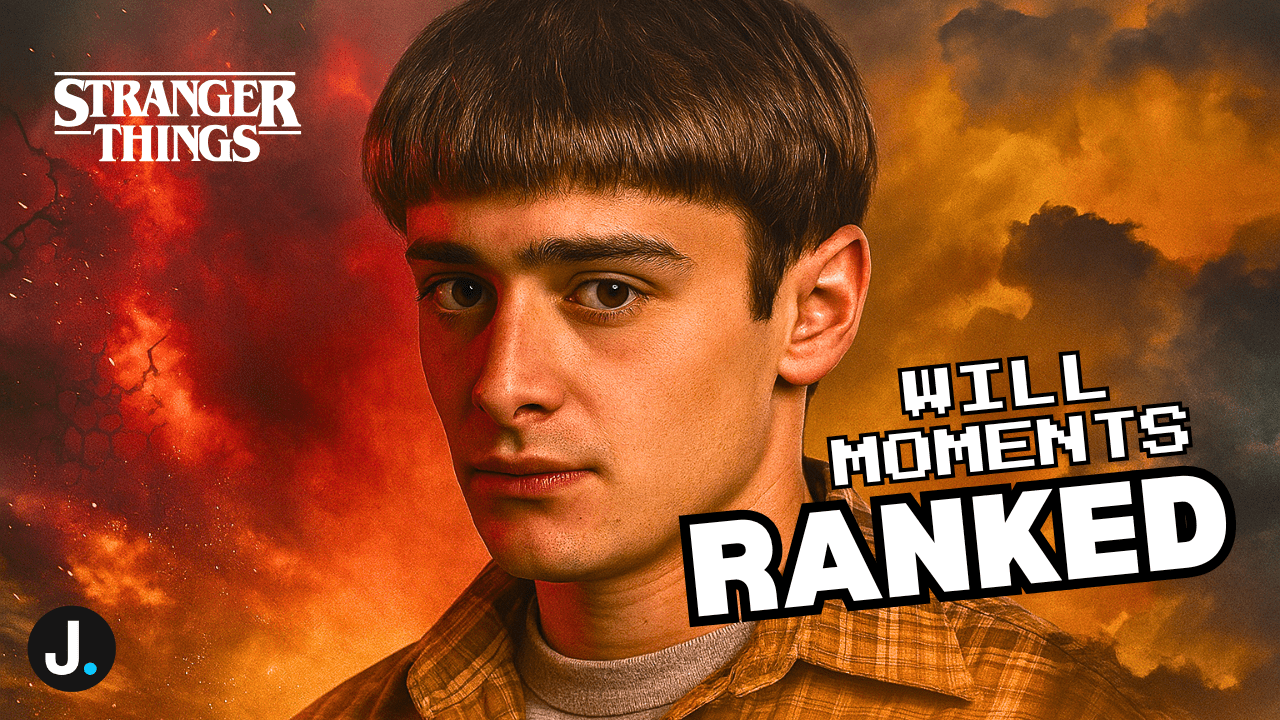
The length of the scripts allowed the Duffer Brothers to explore the inner lives of beloved characters in ways previous seasons could only hint at. Eleven, Mike, Dustin, Lucas, and Will were given more room to breathe, their personal growth intertwined with escalating supernatural stakes. Emotional arcs became as gripping as the physical ones, giving the audience a chance to reflect on what it means to grow up in a world where the Upside Down lurks just around the corner.
The addition of new characters and storylines only magnified the intricacy. Season 4 introduced horror elements and suspenseful scenarios that demanded careful pacing, something achievable only with the extraordinary page count. Every twist, revelation, and moment of levity was meticulously plotted, allowing fans to experience a season that felt simultaneously epic and intimate.
The Duffer Brothers themselves acknowledged the magnitude of their undertaking: “The fourth season is nearly double the length of any of the previously released seasons.” That sheer scale gave the writers room to deepen relationships, explore the consequences of trauma, and even sneak in nostalgic callbacks without disrupting the main narrative. As the episodes unfolded, viewers became part of a dense, almost novelistic tapestry of storytelling where every line of dialogue and every visual detail contributed to the larger mythos.
The dual-volume release also played into the culture of anticipation. Fans were left dissecting each episode, theorising about plot intersections, and eagerly awaiting the next chapter. In doing so, Season 4 became more than just a season; it became a shared experience, a communal journey through the highs and lows of Hawkins that elevated fandom to an art form.
Looking ahead to the release of Stranger Things Season 5 in November 2025, the enormity of Season 4’s script offers clues about what to expect. The Duffers have demonstrated a willingness to expand storytelling boundaries, pushing both horror and nostalgia to new heights while giving character-driven drama equal weight. The expansive narrative of Season 4 set a benchmark that guarantees audiences will face the next chapter with sky-high expectations.
Season 4’s ambitious script underscores a key lesson about the evolution of television storytelling. In a landscape dominated by streaming and binge-watching, the Duffer Brothers have proven that scale, when paired with meticulous character work and careful pacing, can elevate a series beyond entertainment into cultural significance. Fans are now left wondering how the myriad threads from the 800-page opus will converge in Season 5, and which unresolved arcs—both human and supernatural—will dominate Hawkins once again.
What makes this particularly exciting is the blend of nostalgia and innovation. While Season 4 expanded the Upside Down in scope, it never lost touch with the core of Stranger Things: friendship, loyalty, and the trials of adolescence set against a backdrop of supernatural mystery. The scripts provided room for reflection, horror, and joy, creating a season that feels expansive yet intimately human.
As we brace for the final season, it’s worth appreciating the sheer ambition behind the 800-page scripts. Every line, every scene, every intricate subplot was a labour of love, a testament to the Duffers’ commitment to storytelling that respects the intelligence and emotional investment of its audience. Season 4’s narrative extravaganza ensures that Hawkins, Indiana, will continue to haunt our imaginations, setting a stage where nostalgia, suspense, and character complexity intertwine in ways that make Stranger Things unforgettable.