Hawkins has always been a town where the ordinary collides violently with the extraordinary, but if you peer closely at the eerie corridors of the Upside Down, you can see the unmistakable fingerprints of John Carpenter’s The Thing. The 1982 masterpiece has influenced horror for decades, and the Duffer Brothers tapped into its core motifs: the horror of isolation, the paranoia of not knowing who or what can be trusted, and the grotesque transformation of the body into something unrecognisable and threatening.
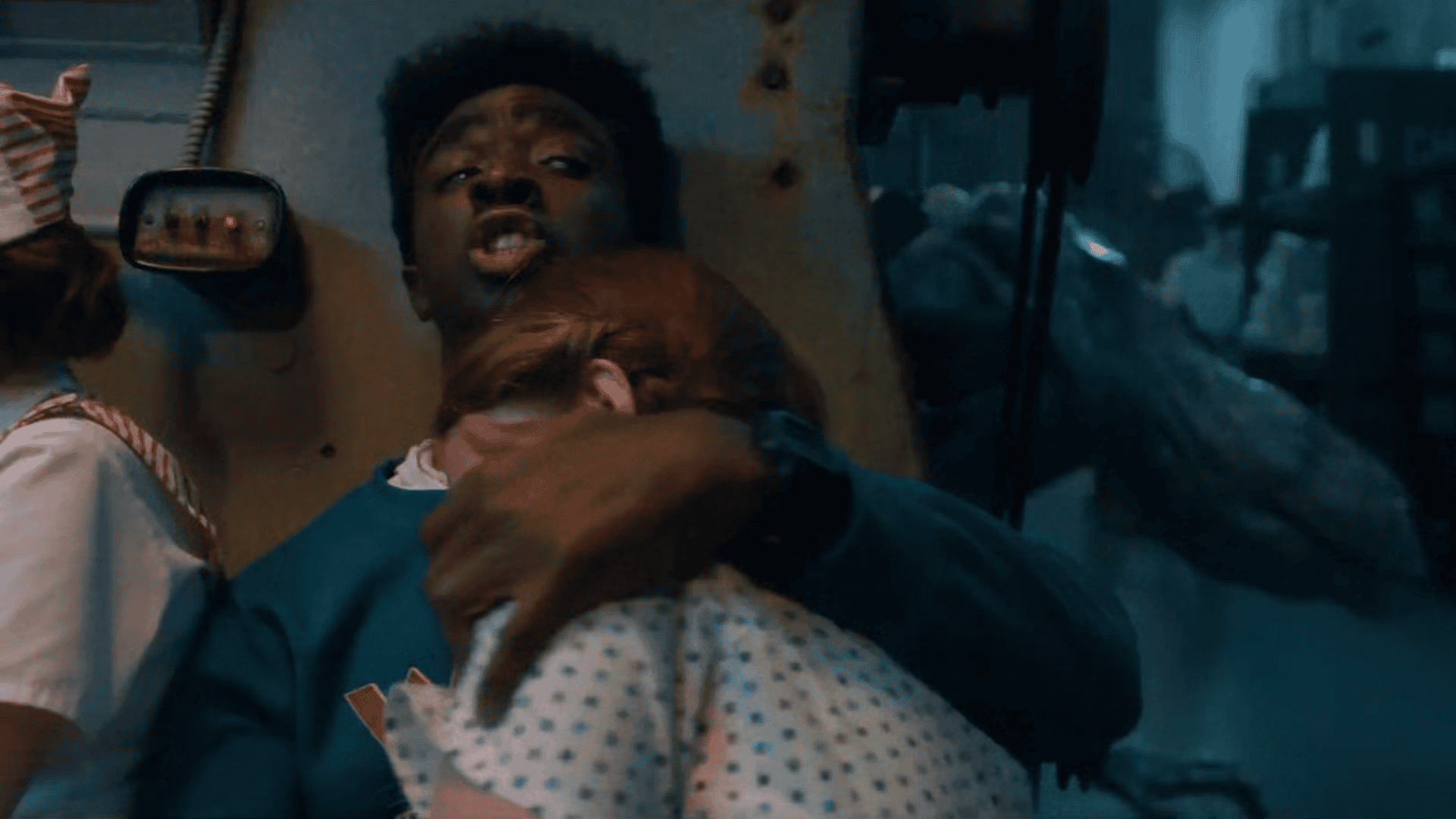
In Stranger Things, these themes manifest in multiple ways. The Upside Down itself operates like an alien version of Antarctica, claustrophobic, oppressive, and alive with threat. Characters are placed in situations where trust is tested and survival hinges on their ability to recognise danger—a direct thematic echo of Carpenter’s work. The "Tom/Bruce" monster that attacks Nancy channels the same fluid, terrifying aesthetics that made The Thing iconic, blending familiar human features with grotesque alien distortions. This thematic resonance grounds Stranger Things’ horror in a rich cinematic tradition, connecting viewers to a legacy of fear while simultaneously crafting new narratives.
When creating Stranger Things, the Duffer Brothers initially aimed for practical effects to achieve a tactile, visceral horror reminiscent of the 1980s classics they admired. Early tests, however, fell short of their expectations. Matt and Ross Duffer admitted that the physical effects did not carry the impact they had hoped for, prompting a decisive pivot toward digitally-produced visual effects in subsequent seasons.
Working with Senior VFX Supervisor Paul Graff, production designer Chris Trujillo, and senior concept illustrator Michael Maher, the Duffers meticulously conceptualised the digital monsters, ensuring that the Shadow Monster/Mindflayer felt alive, weighty, and believable within the narrative. “Some real weight and, consequently, a different new feel for [the animation], including specularity and moisture,” the Duffers insisted, echoing the tactile horror of The Thing while leveraging modern technology to create surreal, disturbing effects impossible with practical models alone.
This collaboration allowed the series to push the boundaries of horror in television, making the Upside Down a fully realised world where tension, dread, and grotesque transformations are not only seen but felt. The digital approach offered freedom to design creatures with unnerving fluidity, echoing Carpenter’s pioneering techniques while expanding the visual vocabulary of supernatural terror.
Beyond visuals, Stranger Things embraces the existential themes that made The Thing a touchstone for horror filmmakers. The characters’ confrontation with the unknown forces them to examine their trust, identity, and mortality. Much like the paranoia that grips Carpenter’s Antarctic crew, the inhabitants of Hawkins navigate a world where allies may not be who they seem and threats can appear in familiar guises.
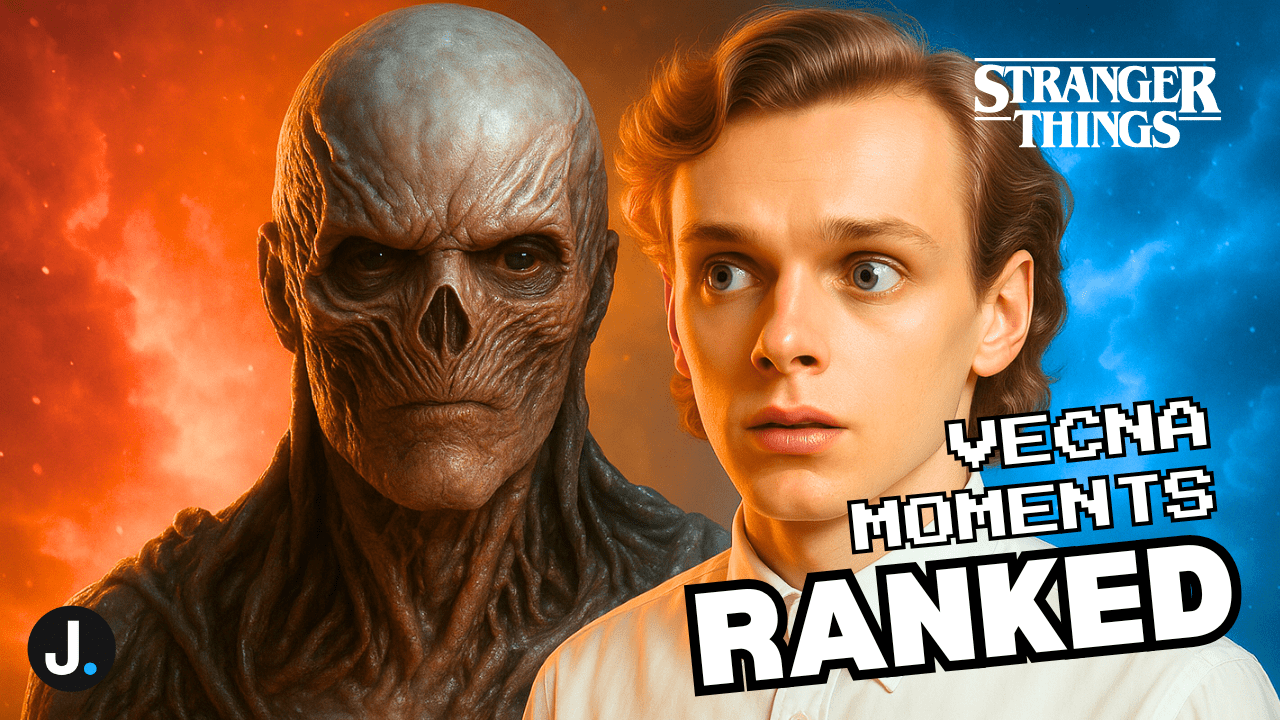
This thematic depth manifests in body horror and transformation as well. The grotesque mutations of the Demogorgon and the Mindflayer, along with the monstrous human hybrids, mirror the unsettling fluidity of identity seen in The Thing, where terror is amplified by the uncanny and the unfamiliar. It’s an approach that speaks to a universal fear: that of losing control over oneself and one’s environment.
Stranger Things successfully balances nostalgia with innovation, offering homage to horror classics while creating a modern narrative filled with suspense, character-driven drama, and supernatural intrigue. By embracing Carpenter’s legacy, the Duffer Brothers provide viewers with a show that honours the artistry of past horror while ensuring that every monster, shadow, and transformation feels fresh, emotionally resonant, and terrifyingly real.
The upcoming fifth season promises to deepen this homage, exploring both the narrative and aesthetic connections between Stranger Things and the horror lineage it draws from. Fans can expect the eerie tension, body horror, and existential dread of The Thing to continue influencing Hawkins’ supernatural escapades, ensuring that the series remains a cornerstone of contemporary horror storytelling on streaming platforms.