As fans gear up for the release of Stranger Things 5, it’s a perfect time to take a deep dive into the show’s origins. Long before Hawkins became a household name, the Duffer Brothers had crafted an intricate blueprint for the series, known as the Montauk Draft. This pitch deck outlines the earliest ideas for the characters, settings, and story arcs, offering a fascinating glimpse at how the series evolved from concept to cultural phenomenon.
According to Skyscape, the Montauk Draft breaks down eleven main characters, including the series’ iconic centerpiece, Eleven.
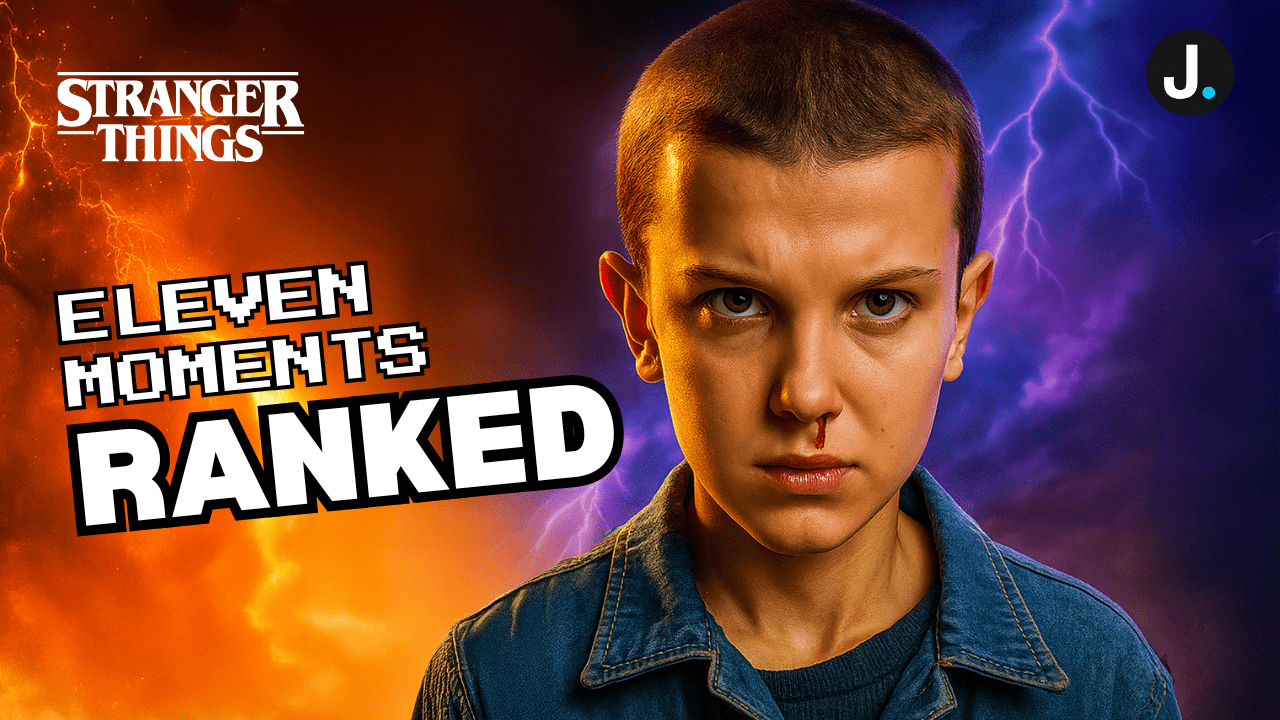
At the heart of Stranger Things is Eleven, portrayed by Millie Bobby Brown. In the original draft, she is described as “an orphan taken by a clandestine faction of the US military at the age of two to develop her telekinesis powers.” Her formative years are spent confined beneath Camp Hero, interacting solely with other experimental children, known as One through Ten.
The pitch emphasises her uniqueness: “When she escapes the laboratory at the start of our series, she finds herself experiencing real life for the first time. This proves both terrifying... and thrilling.” Eleven functions as the show’s emotional anchor, balancing supernatural intrigue with the vulnerability of childhood. The draft even likens her to cinematic icons: “If Mike is the Elliot of our show, Eleven is our E.T.”
This early conceptualisation establishes Eleven as both a conduit for horror and a symbol of innocence navigating a world that is inherently dangerous.
Alongside Eleven, Stranger Things introduces a group of young characters whose relationships are central to the narrative.
Mike Wheeler, played by Finn Wolfhard, is described as “a cute kid with a birthmark on his left cheek that leads to bullying and near-crippling insecurity.” The Montauk Draft emphasises his vulnerability and bravery, positioning him as the imaginative Dungeon Master who uses games to process real-world challenges.
Lucas Sinclair, Mike’s friend, is sketched as “scrawny, short, [and] loudmouthed.” While initially comic relief, Lucas’s character is designed to explore familial pressures and emotional growth, offering a counterpoint to Mike’s quieter introspection.
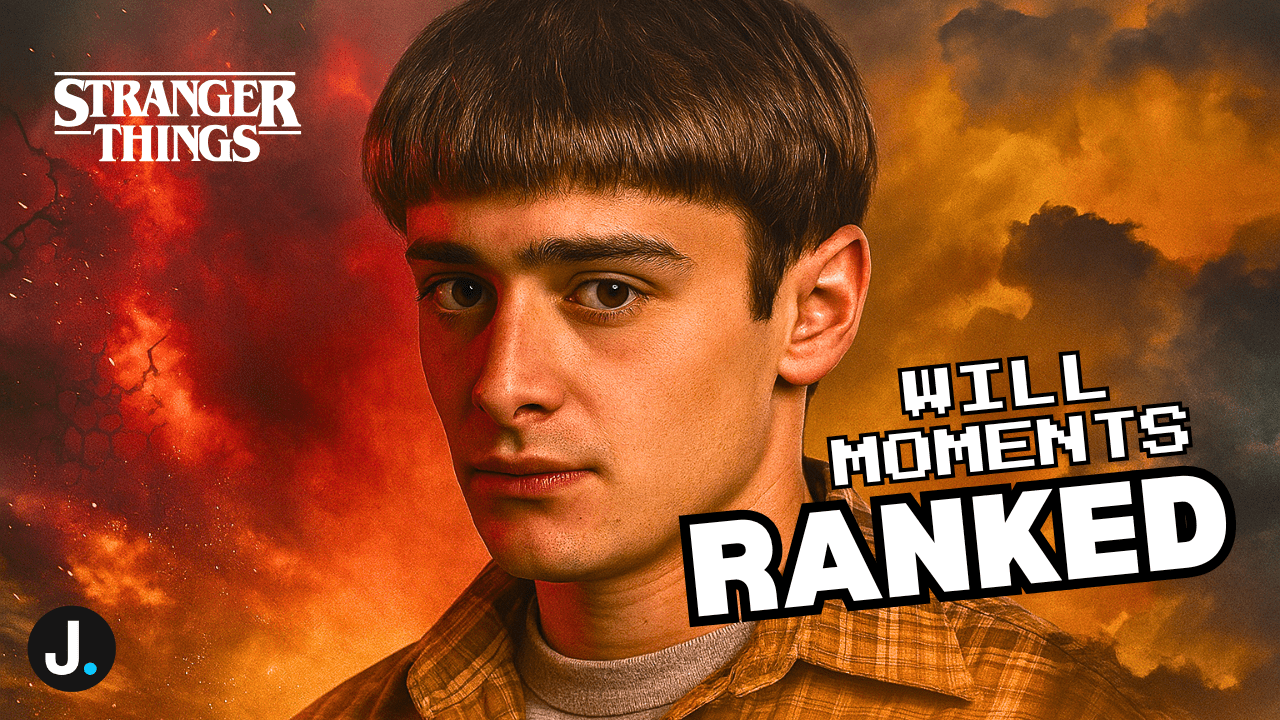
Will Byers is portrayed as “a sweet, sensitive kid with sexual identity issues.” His struggles with acceptance provide a nuanced look at adolescence, highlighting themes of normalcy and marginalisation in the 1980s.
Dustin Henderson, or “King Geek” in the Montauk Draft, serves as the group’s humour and charm. He faces bullying for his appearance but remains resourceful and loyal, providing levity without undermining the narrative stakes.
Together, these four boys represent the core theme of Stranger Things: friendship as a stabilising force amid supernatural chaos.
The adult cast was equally carefully considered. Chief Jim ‘Hop’ Hopper was originally envisioned for Ewan McGregor but ultimately found a home with David Harbour. The Montauk Draft describes him as a “hedonistic Montauk police chief” struggling with personal demons while navigating a town rife with mysteries. His arc evolves from apathy to active engagement, transforming him from a passive figure into a protector of Hawkins.
Joyce Byers, portrayed by Winona Ryder, was conceptualised as a desperate but fiercely protective mother juggling two low-paying jobs. The draft initially considered actresses like Naomi Watts or Marisa Tomei, but Ryder’s casting brought the character to life with a blend of fragility and tenacious determination. Joyce’s grounding in realism contrasts the surreal horrors surrounding Hawkins, making her central to the series’ emotional impact.
Another key figure is Mr Clarke, the middle school teacher with an adventurous streak reminiscent of Indiana Jones. In the Montauk Draft, Clarke’s role is pivotal in helping the children understand and confront the mysteries around them, highlighting the importance of mentorship figures within the storyline. His intelligence, curiosity, and willingness to challenge authority provide a stabilising force that supports the younger characters’ growth.
Comparing the Montauk Draft to the final series reveals both continuity and creative evolution. Characters such as Eleven, Mike, and Hopper remain largely consistent with their initial concepts, but many details were refined for pacing, emotional resonance, and audience engagement. The original draft also hints at early narrative threads and world-building that would later expand into the Upside Down, government conspiracies, and Hawkins’ broader mythology.
The Montauk Draft also demonstrates the Duffer Brothers’ commitment to layered storytelling. Each character, adult or child, is crafted with both external conflicts and internal struggles, reflecting broader themes of identity, family, and resilience. The careful balance between horror, humour, and heart, evident even in these earliest notes, remains a defining element of the show’s appeal.
As Stranger Things 5 approaches, revisiting the Montauk Draft offers fans a rare behind-the-scenes look at the series’ creative origins. Understanding how the Duffer Brothers initially imagined Eleven as a telekinetic orphan or Mike as a sensitive, imaginative boy enriches the viewing experience. The draft reminds us that the characters we now know and love were the result of deliberate, layered planning, ensuring the series could deliver both suspenseful storytelling and emotional depth.
The Montauk Draft also highlights the franchise’s potential for expansion. The depth of character development and meticulous world-building in these early documents explains why the Duffer Brothers can continue to explore spin-offs, animated series, and other creative projects within the Stranger Things universe.
For fans, the Montauk Draft is more than a relic; it is a roadmap showing how Hawkins became a fully realised world populated with relatable, complex characters. Revisiting these original concepts deepens appreciation for the show’s evolution and reinforces why Stranger Things has maintained its place as a landmark of contemporary television.