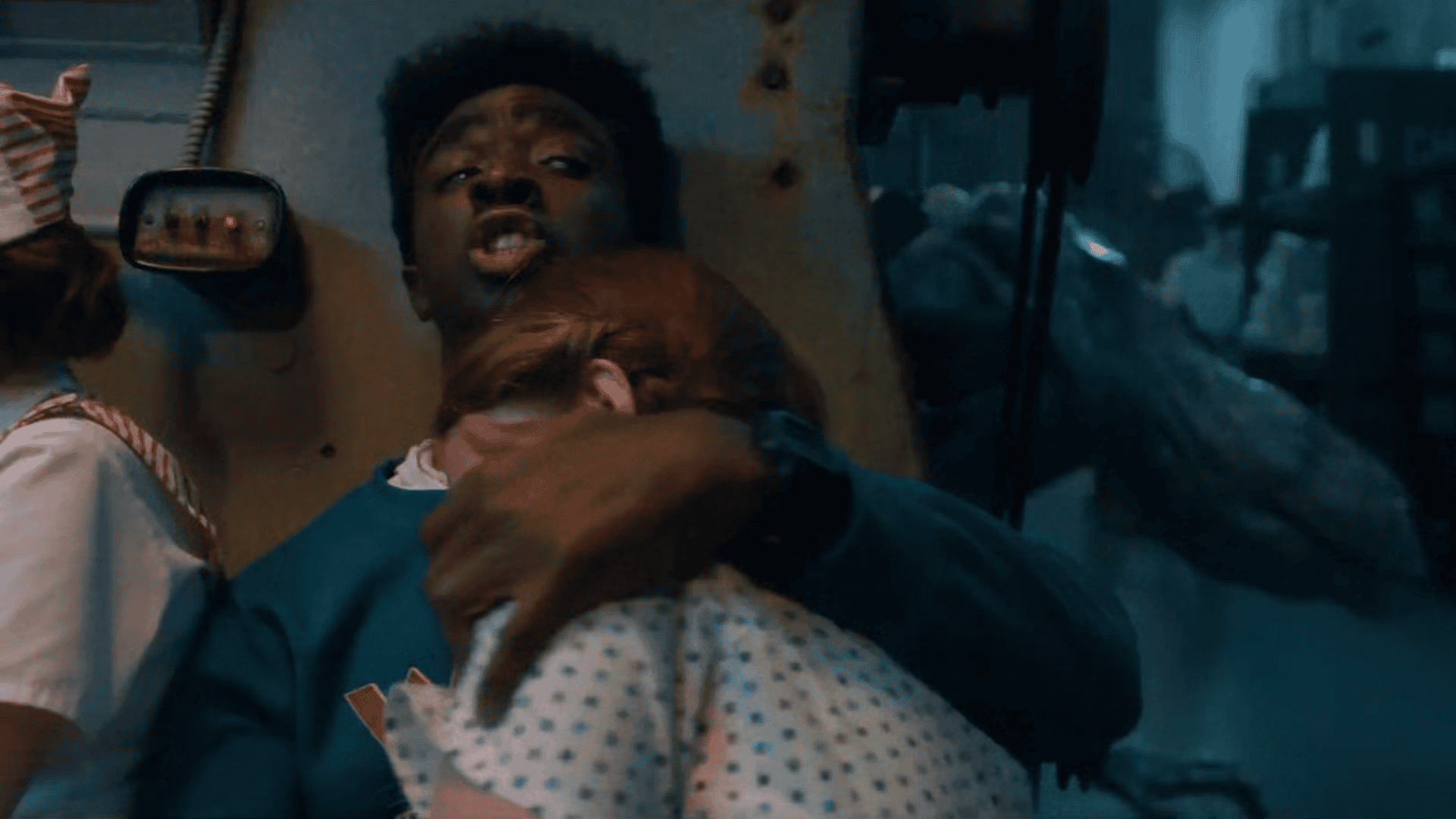
As fans await the release of Stranger Things Season 5 this November, discussions continue about the visual effects (VFX) that shaped the previous season. Among the most challenging elements was the demobat, a winged creature that expanded the universe of the Upside Down and became a focal point for Season 4’s VFX work.
Montreal-based Rodeo FX was responsible for many of the intricate visuals in the series. The animation of the demobat, particularly in the sequence where it flies toward the Creel house, was a major undertaking. Completing this shot took the team two years, due to the complexity of simulating realistic flight, wing movement, and interactions with light and shadow. A representative from Rodeo FX explained that “creating the demobat was a multifaceted challenge,” reflecting the effort required to make the creature believable and menacing. Each wingbeat, glide, and swoop had to complement the dark, suspenseful atmosphere of the Upside Down, ensuring viewers were fully immersed in the scene.
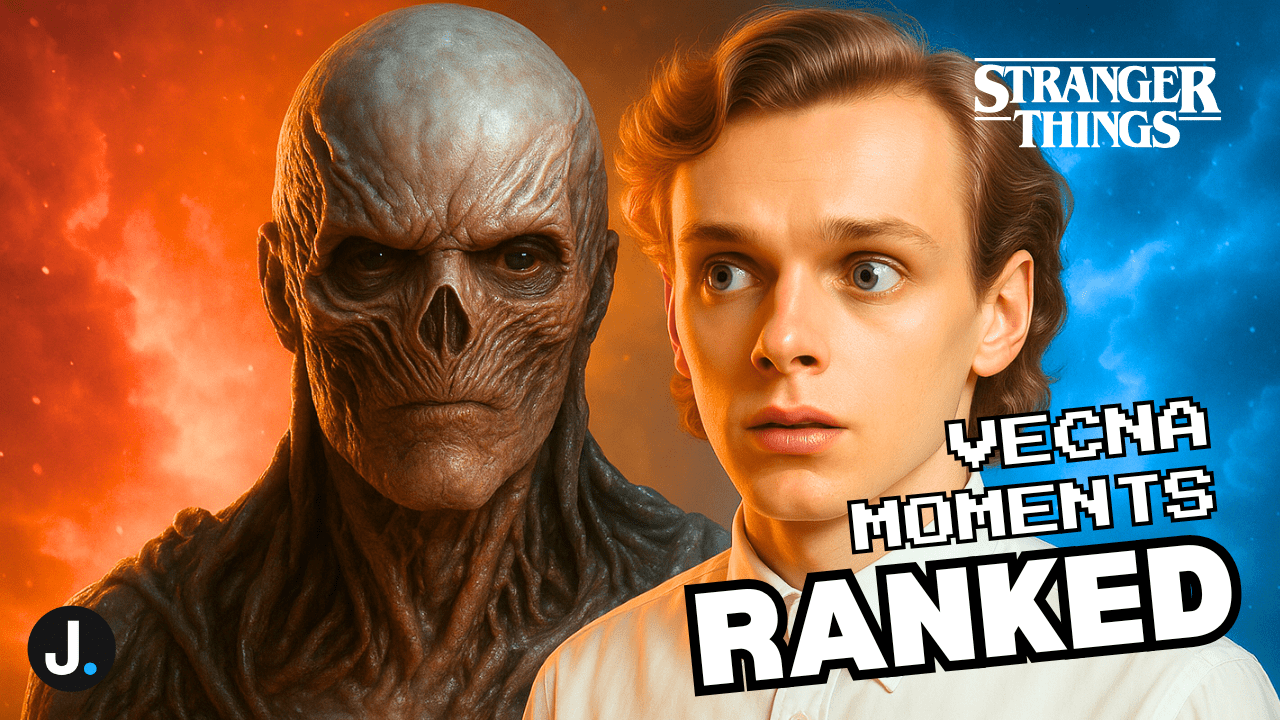
Rodeo FX also focused on making Vecna’s victims appear realistically affected by his attacks. The team conducted extensive research on broken bones and accidents to ensure CGI doubles of the actors moved convincingly. This approach combined horror with realism, making each death scene both horrifying and visually authentic. By mirroring actual physical reactions, the VFX enhanced the series’ established blend of supernatural and grounded fear.
In addition to the demobat and Vecna sequences, Rodeo FX revisited previous monsters such as the demogorgon and demodogs. Their redesign accounted for the brighter settings of Season 4, including locations like the Kamchatka prison, requiring adjustments to lighting and texture to maintain menace while integrating with new environments. The team’s attention to detail ensured continuity while evolving the visual identity of these creatures, maintaining a balance between familiarity and innovation.
The creation of the demobat, the realistic depiction of Vecna’s victims, and the redesign of classic monsters demonstrate the precision and creativity required to produce top-tier VFX for modern television. These efforts highlight the technical complexity behind Stranger Things and the dedication of teams like Rodeo FX, which help make the supernatural elements of Hawkins feel tangible and terrifying. As the series prepares for its final season, the work done on Season 4 underscores how critical visual effects are in maintaining the suspense, immersion, and overall impact of the show.