As fans eagerly await the release of Stranger Things 5 this November, it’s worth examining the real-world influences and conspiracy theories that shaped the series’ narrative foundation. While the show captivates audiences with 1980s nostalgia, children on BMX bikes, and supernatural horror set to synth-heavy beats, its darker undertones are grounded in historical events that blur the line between fact and fiction.
One of the most pivotal inspirations for Stranger Things is Project MKUltra, a CIA program that began in the early 1950s. The program focused on mind control, psychic research, and experimental methods intended to alter human behavior. The Duffer Brothers wove this theme into the show when Chief Jim Hopper, played by David Harbour, uncovers references to MKUltra in the sinister Dr. Brenner’s research, creating a direct link between the show’s fictional horrors and real-life government experimentation.
Matt Duffer noted, “Stranger Things evolved from being a paranormal story about a missing child when they started talking about some of the mysterious government experiments that … were happening at the tail end of the Cold War.”
The MKUltra experiments included mind control techniques and the use of hallucinogenic drugs like LSD, adding a chilling dimension to the otherwise innocent premise of children searching for a missing friend.
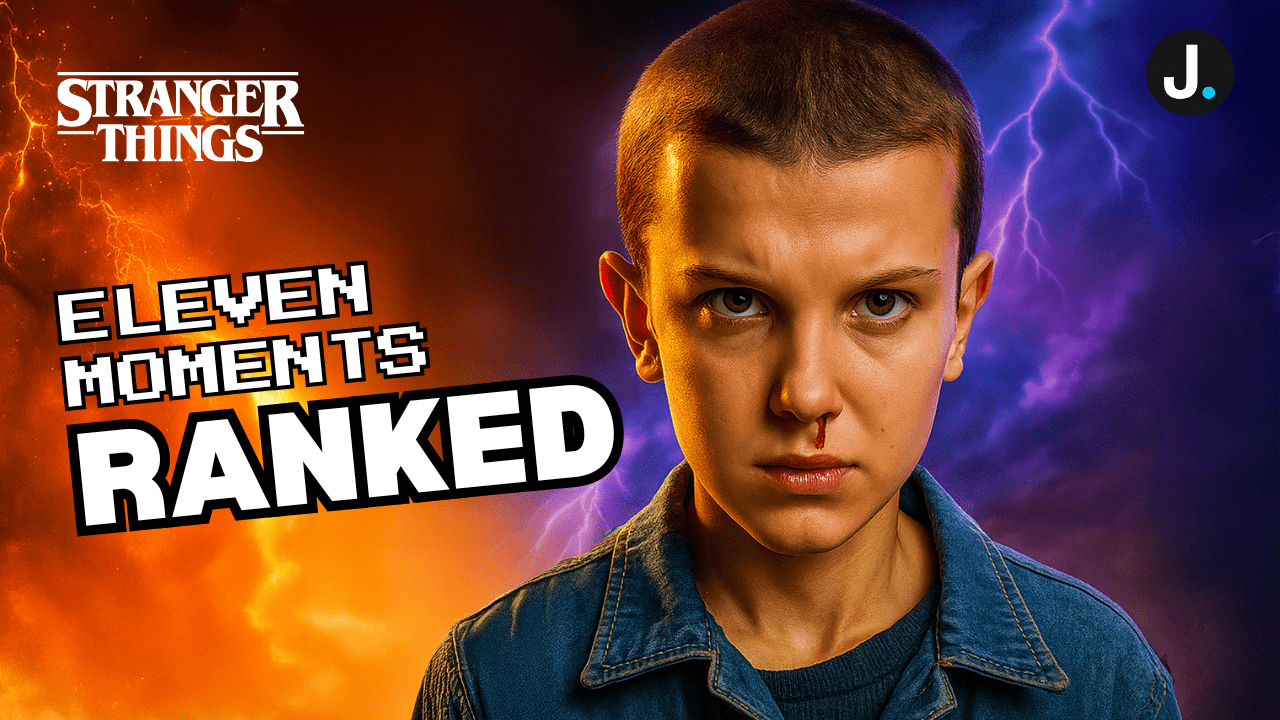
The series draws a strong parallel between these historical programs and Eleven, a child with psychokinetic abilities subjected to government testing. Themes such as sensory-deprivation tanks, secret labs, and morally questionable experiments become central motifs, highlighting the real-life consequences of unethical research.
As documented in the 1977 Senate hearings titled “Project MKUltra, the CIA’s Program of Research in Behavioral Modification,” agents experimented on American citizens without their consent, seeking the “ultimate truth serum.” These historical realities serve as narrative linchpins for Stranger Things, while also prompting audiences to question the boundaries of governmental authority and the ethics of psychological experimentation.
MKUltra’s influence stretches far beyond the CIA archives. Its tentacles can be seen across popular culture, inspiring films like The Manchurian Candidate, TV shows such as The X-Files and Fringe, and books including Jon Ronson’s The Men Who Stare at Goats. Each engages with the unsettling notion of government-sanctioned mind control, shaping public perceptions of psychological experimentation over decades.
As Stranger Things 5 approaches, it is striking how the series leverages historical events to enhance its storytelling. By integrating MKUltra into the narrative, the Duffer Brothers explore ethics, trauma, and human vulnerability under extreme authority, deepening the series’ emotional and thematic resonance.
The show’s fictional horrors are thus amplified by reality: Eleven’s struggles are not purely imagined, but echo the tangible psychological scars inflicted by secretive government programs. Through this blend of fact and fantasy, Stranger Things prompts reflection on trust, memory, and the often frightening complexities of human nature.
As the final season looms, these historical echoes remind viewers that some truths can be as unnerving as the Upside Down itself. Much like the flickering Christmas lights in Joyce Byers’ home, history illuminates the darkest corners of our present, inviting audiences to consider how much of the past still shapes the stories we tell — and the fears we confront.