As excitement builds for the fifth season of Stranger Things, set to premiere this November, fans are not only eagerly anticipating the return of their favorite characters but are also diving deeper into the real-world inspirations behind the series’ supernatural events. One of the most enduring and fascinating influences is the Montauk Project, a conspiracy theory that emerged in the 1980s and has captivated the imaginations of conspiracy enthusiasts, researchers, and now television audiences alike.
The legend of the Montauk Project centers on claims of secret government experiments at Montauk Air Force Station, also known as Camp Hero, located at the eastern tip of Long Island, New York. These experiments were said to involve psychological manipulation, mind control, time travel, and other exotic research designed to push the boundaries of science in covert ways. The project entered public awareness in 1992 with the publication of The Montauk Project: Experiments in Time, authored by Preston Nichols and Al Bielek. Nichols claimed to have recovered repressed memories from his childhood, which revealed his involuntary participation in a range of mysterious and often disturbing experiments. According to his accounts, he was periodically abducted by government agents to continue his work against his will.
Bielek, who collaborated with Nichols on multiple publications, further elaborated on the Montauk Project’s far-reaching implications, suggesting that the U.S. government had conducted a series of highly classified experiments that manipulated both human behavior and physical reality. Over the years, other alleged participants, such as Stewart Swerdlow, came forward with their own accounts of horrifying experiences, including memory wipes, genetic alterations, and exposure to experimental technologies. These accounts, whether true or not, created a layered mythology that blurred the line between fact and fiction and gave the Montauk Project a lasting place in American conspiracy culture.
Camp Hero, the alleged epicenter of these experiments, adds to the intrigue. Established in 1942 as part of the nation’s coastal defense system during World War II, Camp Hero was cleverly disguised to resemble an idyllic fishing village, complete with faux cottages and a fabricated downtown area with a gymnasium and bowling alley, meant to mislead potential enemies. When the base was decommissioned in 1981, parts of it became Camp Hero State Park, a popular destination for hikers and tourists, while some areas remained restricted, feeding ongoing rumors about secret tunnels, hidden laboratories, and continued clandestine operations.
The secrecy surrounding Camp Hero made it a perfect setting for the Duffer Brothers when they began developing the concept that would eventually become Stranger Things. As teenagers, Matt and Ross Duffer were fascinated by the stories of Montauk, and these legends formed the foundation of an initial project they pitched under the title Montauk. This early iteration was imagined as a gritty, found-footage-style series chronicling government experiments at the base between 1982 and 1987. While the Montauk concept never fully materialized as its own series, it evolved into Stranger Things, retaining the core elements of secretive experiments, government overreach, and the blending of ordinary suburban life with the extraordinary and terrifying.
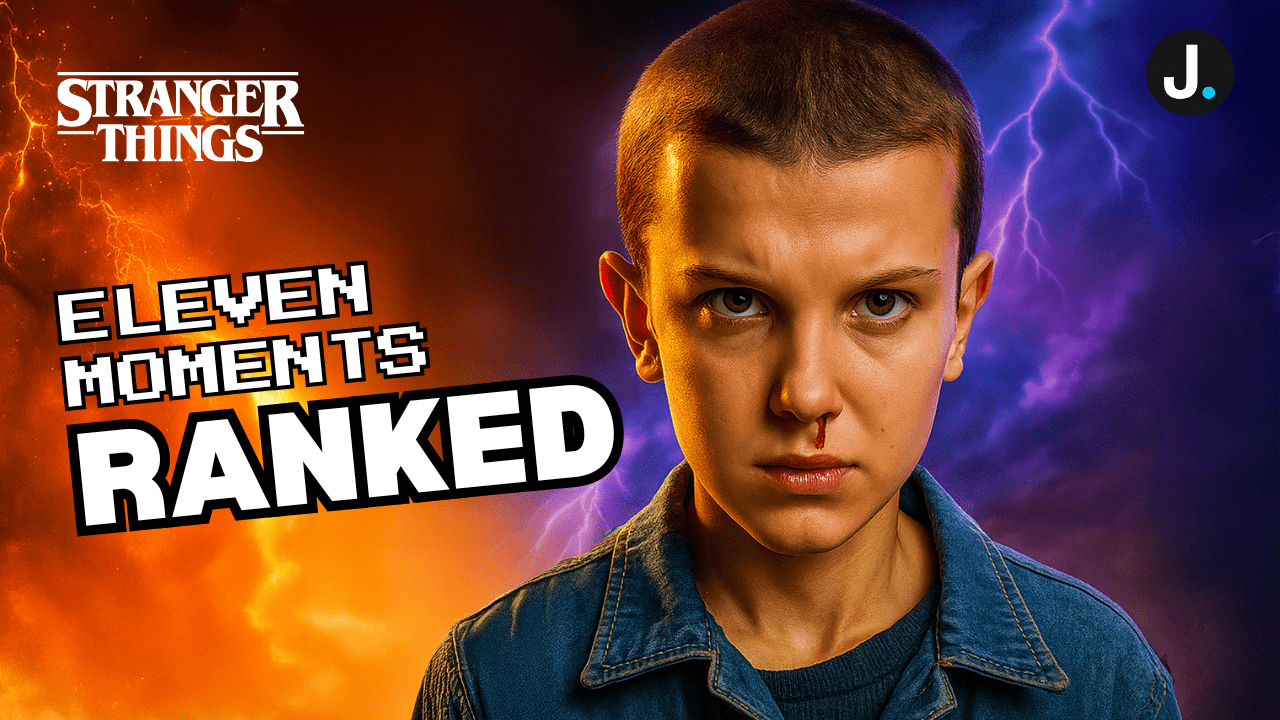
In Stranger Things, Hawkins National Laboratory serves as the narrative equivalent of Montauk, a hidden facility conducting government experiments that have dangerous and far-reaching consequences. The laboratory mirrors themes reminiscent of the real-world MKUltra program, where human subjects were subjected to psychological manipulation and sensory deprivation. Eleven, played by Millie Bobby Brown, is one of these test subjects, and her accidental opening of a portal to the Upside Down during an experiment in November 1983 triggers the series’ central supernatural events, including the abduction of Will Byers. The parallels between Hawkins Lab and the Montauk Project are unmistakable, from the secrecy of the experiments to the ethical and moral boundaries that are consistently crossed. These connections enhance the show’s eerie realism, grounding its fantastical elements in a world that feels simultaneously nostalgic and plausible.
Beyond the laboratory, Stranger Things draws inspiration from the cultural anxieties of the Cold War era, reflecting fears of government surveillance, unchecked scientific experimentation, and the consequences of hidden agendas. The Duffer Brothers’ genius lies in their ability to take these elements and craft a narrative that resonates emotionally while maintaining a sense of suspense and horror. By weaving the Montauk Project’s mythology into the story, they tap into a cultural fascination with conspiracy theories and the unknown, creating a universe where the line between reality and fiction is intentionally blurred.
As fans anticipate the release of Season 5, the Montauk Project remains a key touchstone for understanding the deeper layers of Stranger Things. Its influence is evident not only in the narrative arcs and supernatural occurrences but also in the underlying themes of secrecy, trauma, and the consequences of unchecked power. The series invites viewers to consider the chilling possibility that the horrors of the Upside Down, while fictional, are inspired by stories rooted in real-world fears and conspiracies.
The enduring allure of the Montauk Project lies in its blend of mystery, danger, and the suggestion that hidden truths might lurk just beyond the surface of everyday life. By channeling this fascination into the world of Hawkins, the Duffer Brothers have created a story that is both thrilling and thought-provoking, reminding audiences that the unknown often holds as much power as any monster. As the series continues to explore the Upside Down and the consequences of government experiments gone awry, the shadow of Montauk will linger, offering viewers a sense of historical depth and a compelling reminder that, sometimes, truth can indeed be stranger than fiction.