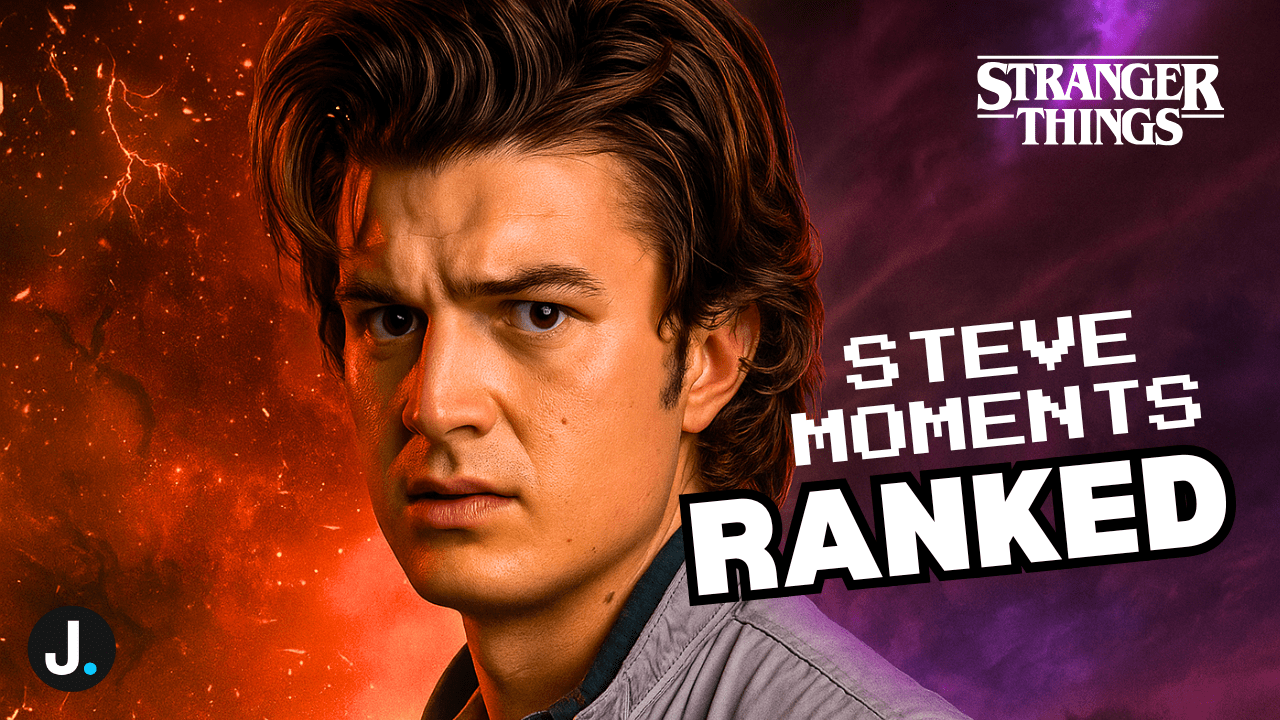
As anticipation builds for the highly awaited fifth season of Stranger Things, it’s the perfect time to reflect on the pivotal moments from Season 3, which was released globally on Netflix on July 4, 2019. Crafted by the Duffer Brothers, the season merges supernatural thrills with teenage drama, while simultaneously advancing the overarching narrative of the Upside Down. Let’s delve into the narrative intricacies that make Stranger Things 3 a standout installment in the saga.
Set in the summer of 1985, this season introduces viewers to the new Starcourt Mall, a commercial hub that becomes the backdrop for much of the action. Its rising popularity leads to the decline of Hawkins’ traditional storefronts, igniting community tension. Meanwhile, the emotional landscape of the beloved characters evolves significantly. Winona Ryder returns as Joyce Byers, wrestling with grief over Bob Newby’s death, and contemplating a move from Hawkins. Concurrently, Jim Hopper grapples with his protective instincts over Eleven (Millie Bobby Brown), who is navigating her first romance with Mike Wheeler (Finn Wolfhard). As Hopper warns Mike, “You have to get the hell away from her,” we see how the complexities of adolescence intertwine with supernatural horrors.
As the narrative unfolds, Will Byers (Noah Schnapp) experiences ominous premonitions tied to the Mind Flayer, the monstrous entity from the Upside Down. This echoes throughout the season as he and his friends, including Lucas Sinclair (Caleb McLaughlin) and Dustin Henderson (Gaten Matarazzo), encounter the formidable forces of the Mind Flayer while grappling with their shifting friendships and burgeoning relationships. The series continually juxtaposes the relatable trials of growing up with escalating supernatural threats, linking external chaos with internal struggles.
A key element of Season 3’s conflict is the Mind Flayer’s return, triggered when Russian scientists attempt to open a new gate to the Upside Down. A chain reaction occurs following their failed experiment, leading the Mind Flayer to possess residents of Hawkins, targeting Billy Hargrove (Dacre Montgomery) as a conduit. The stakes amplify as the younger characters investigate a potential Soviet infiltration, adding a layer of historical tension and espionage to the supernatural plots. Through the journeys of characters like Nancy Wheeler (Natalia Dyer) and Jonathan Byers (Charlie Heaton), who tackle workplace sexism while investigating the town’s bizarre events, the series critiques societal issues of the 1980s.
Friendship dynamics are further explored through romantic subplots involving Steve Harrington (Joe Keery) and a new character, Robin Buckley (Maya Hawke), creating memorable moments laced with humor and camaraderie. These horror and adventure elements coalesce into emotional depth, particularly during key confrontations. Season 3 manages to both entertain and provoke thought about shifting relationships and the nature of friendship under duress.
The season builds toward a thrilling climax with the “Battle of Starcourt,” where Eleven and her friends confront the terrifying manifestation of the Mind Flayer, now composed of the possessed residents of Hawkins. This sequence showcases intense visuals and spectacular action, highlighting the show’s ability to balance suspense with emotional stakes. Hopper’s ultimate sacrifice, as he battles the Russian soldier Grigori while attempting to close the gate, is particularly poignant, marking a loss of innocence for the characters as they confront the harsh realities of adulthood.
As the dust settles in Hawkins, the Byers family prepares to leave the town alongside a powerless Eleven, signaling a shift not only in character dynamics but also in story direction. The emotional farewell between Mike and Eleven, promising to see each other at Thanksgiving, encapsulates the lingering hope amidst their trials. With its engaging mix of nostalgia, thrilling adventures, and commentary on interpersonal relationships, Stranger Things 3 received praise not only for its gripping narrative but also for the stunning performances from the ensemble cast, particularly David Harbour (Hopper) and Millie Bobby Brown (Eleven).
The season’s balance of humor and terror intertwines with nostalgia for 1980s pop culture while paving the way for the darker tones that come with maturity. As we await the next chapter in the Stranger Things saga, Season 3 remains a defining moment for the characters we have come to love, encapsulating the essence of growing up in a world haunted by both familiar and otherworldly fears.