The world of special effects makeup is often shrouded in mystery, with artists creating nightmarish creatures and unforgettable characters that haunt our screens. Among the elite in this field is Barrie Gower, a British prosthetic makeup designer whose work has left an indelible mark on some of the most influential television series of our time — including the critically acclaimed Stranger Things. With the long-awaited fifth season set to premiere in November 2025, it’s the perfect moment to delve into Gower's extraordinary career and his contributions to this beloved show.
Barrie Gower's journey into prosthetic makeup began in childhood, sparked by a deep love for cinema and monster movies. Growing up in the north of England, he spent countless hours in his father’s cinema — a place that would unknowingly shape his future.
“He’d take me to press screenings and showings of films… I got to meet [animator] Ray Harryhausen when I was 4 or 5 years old,” Gower recalls. Those early brushes with film magic ignited his passion.
As a teenager, Gower discovered Fangoria, the legendary special effects magazine that peeled back the curtain on the artistry behind on-screen monsters. Fascinated by the craft, he began pursuing what he once considered a “pipe dream.” His dedication led him to the London College of Fashion, where he refined his skills, eventually working with established industry names.
Gower later co-founded his own company, BGFX, with his wife Sarah. The pair quickly made waves in prestige television, most notably on Game of Thrones, where they gained major recognition.
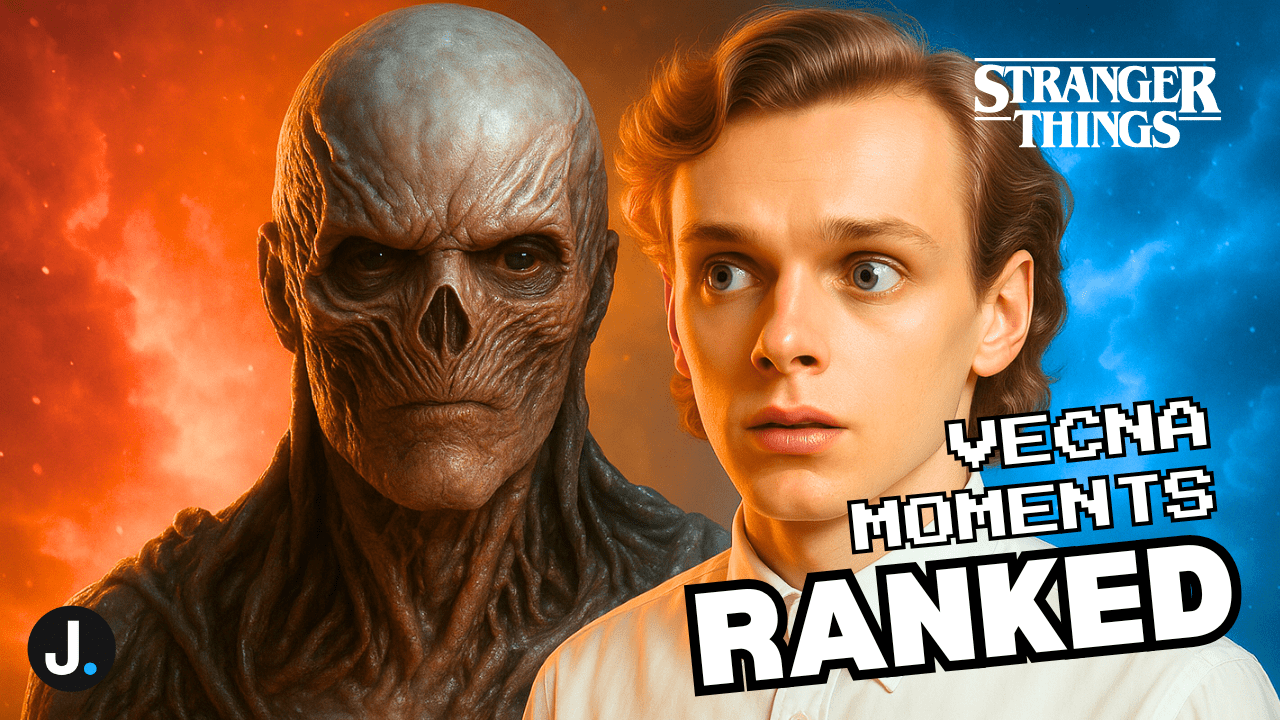
Their work on Stranger Things further elevated their profile. Gower and his team created the full-body prosthetics for the infamous villain Vecna, as well as the hauntingly destroyed eyes of Victor Creel. These intricate designs captivated audiences and earned Gower a Primetime Emmy Award — solidifying his place as one of the industry’s best.
Gower’s ability to blend realism with the fantastical is evident in every project he touches. In Stranger Things, his designs support the narrative’s emotional core, enhancing the storytelling through terrifying yet meaningful visuals.
His work on Vecna — a creature symbolizing grief, trauma, and the monstrous side of humanity — is a standout achievement in the series. The painstakingly crafted prosthetics transformed actor Jamie Campbell Bower into one of the show’s most memorable villains.
Reflecting on his career, Gower notes, “We got the call and got Game of Thrones. That was it, really — no looking back.” The opportunity opened doors for further collaborations with HBO and boosted his visibility worldwide.
He continued to showcase his artistry in The Last of Us and House of the Dragon, taking on fresh creative challenges. In House of the Dragon, Gower helped depict Paddy Considine’s character’s physical decline — a visual metaphor for political and personal decay. “It was a really good tool to show that lapse of time,” he explained, demonstrating how makeup can enrich storytelling.
On The Last of Us, his team designed multiple stages of the infected, immersing viewers in a beautifully grotesque post-apocalyptic world.
Barrie Gower’s success is a testament to passion, persistence, and a clear artistic vision. “I’m one of those annoying people who knew very early on what I wanted to do for a career,” he told The Hollywood Reporter. His journey reflects the power of determination — proving that niche dreams can grow into extraordinary realities.
As excitement builds for Stranger Things season five, Gower’s work is expected to play an even larger role in shaping the show’s climactic final chapter. Fans can anticipate more breathtaking prosthetics and unforgettable creatures as the world of Hawkins reaches its epic conclusion.
For those captivated by Gower’s craft, his portfolio is available on Instagram at @barriegower, offering a fascinating look behind the scenes of his award-winning creations.
Barrie Gower stands as a defining figure in modern makeup artistry, blending creativity with a commitment to storytelling through transformative design. In Stranger Things and beyond, his work continues to inspire awe — reminding us of the powerful magic that brings television and film to life.