Season 4 of Stranger Things marked a noticeable shift in the show’s production approach, particularly in its expanded use of practical effects. As the series has grown in scale, the Duffer Brothers have continued to refine how they balance traditional effects work with the growing prominence of CGI in modern television. For Season 4, their decision to increase the amount of physical, in-camera effects was driven by both creative and logistical priorities that shaped the tone and impact of the season.
In an industry that relies heavily on digital environments and computer-generated visuals, the creators were deliberate in returning to the tactile methods used in the show’s earliest episodes. Season 4 required two years of production and post-production, involving thousands of visual effects shots, yet the Duffer Brothers emphasized that the season should not depend exclusively on digital work. Matt Duffer explained that the team “wanted to rely more on practical effects than computer-generated ones,” reaffirming their preference for physical designs that actors could directly interact with. According to the production team, placing tangible elements on set results in more grounded performances because the cast can respond to an object or creature that is physically present rather than imagine something added later through CGI.
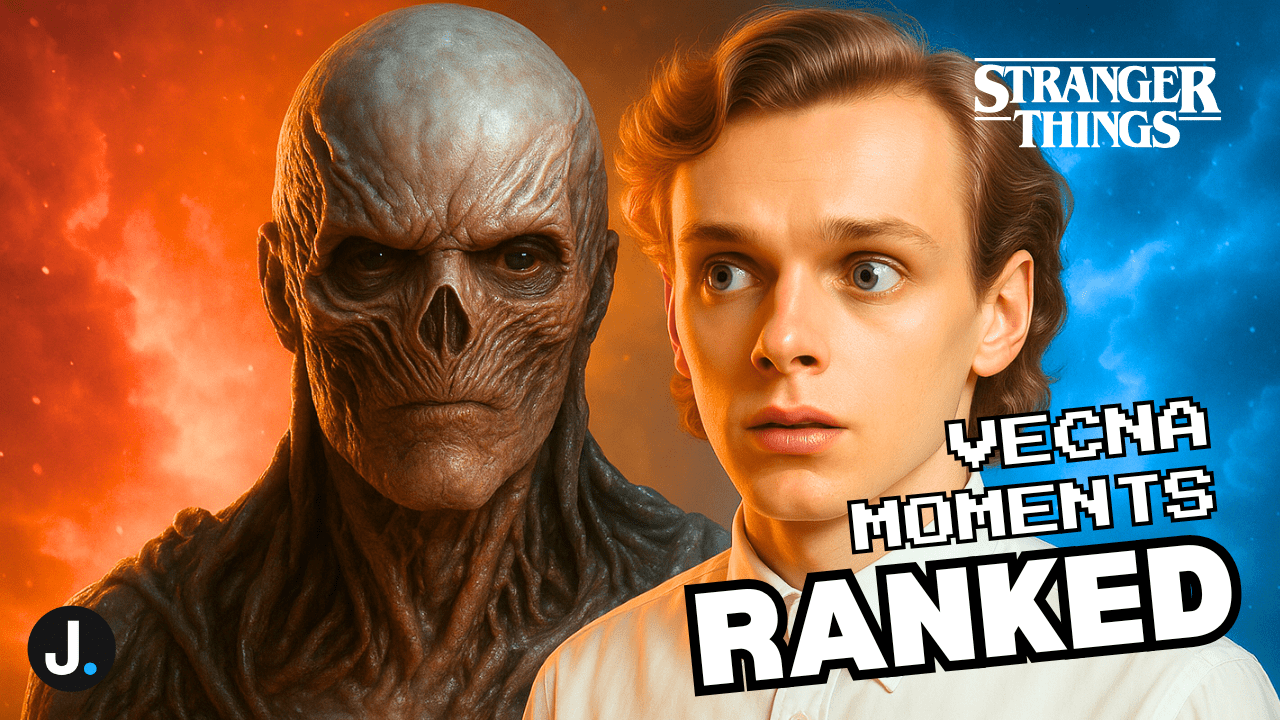
This approach was most evident in the construction of Vecna, the season’s central antagonist. The character was designed to be “90% practical,” requiring extensive prosthetics and makeup applications rather than digital rendering. The choice to build Vecna physically aligned with the creators’ intention to anchor the story in realism despite the supernatural framework. Actors consistently noted that responding to an actor in full costume rather than a green-screen marker changed the tone of their performances, creating more controlled and convincing emotional reactions during scenes of conflict or fear.
Practical effects were also used across the environment design, physical stunts, props, and set pieces that shaped Season 4’s tone. The presence of tangible Upside Down elements supported the narrative by providing visual continuity between the world of the show and the responses of the characters. Cast members such as Winona Ryder and David Harbour have commented on how essential this was to maintaining consistency in their performances. When practical components are integrated into a scene, physical space, lighting, and movement align more naturally than when relying entirely on digital additions. This helped Season 4 preserve its grounded atmosphere even as the storyline expanded to larger and more complex locations.
The production’s commitment to physical effects also reflected lessons learned throughout earlier seasons. While CGI has been an important tool for representing creatures and environments from the Upside Down, the Duffer Brothers recognized that overreliance on digital methods could diminish the show’s distinct visual identity. Returning to practical effects allowed them to control texture, lighting accuracy, and continuity in a way that matched the 1980s cinematic influences central to the series. It also reduced the risk of visual inconsistency that can occur when digital elements are heavily layered into live-action footage.
Season 4’s expanded use of practical effects has influenced how the production team approaches its ongoing work. The results demonstrated that physical methods can coexist effectively with modern visual effects, creating a clearer sense of scale and interaction. By prioritizing in-camera effects wherever feasible, the show maintained visual clarity and helped stabilize its increasingly complex action sequences. The approach has also prompted broader industry discussion regarding the balance between practical and digital tools in large-scale television storytelling.
In assessing Season 4, it is evident that the decision to heighten the use of practical effects played a direct role in shaping the season’s atmosphere, performances, and pacing. The creators’ focus on authenticity, even within a supernatural context, strengthened the connection between the audience and the onscreen action. The season stands as one of the clearest examples of how traditional filmmaking techniques can still play a central role in contemporary genre television, supporting both narrative clarity and performance accuracy in a technologically advancing industry.