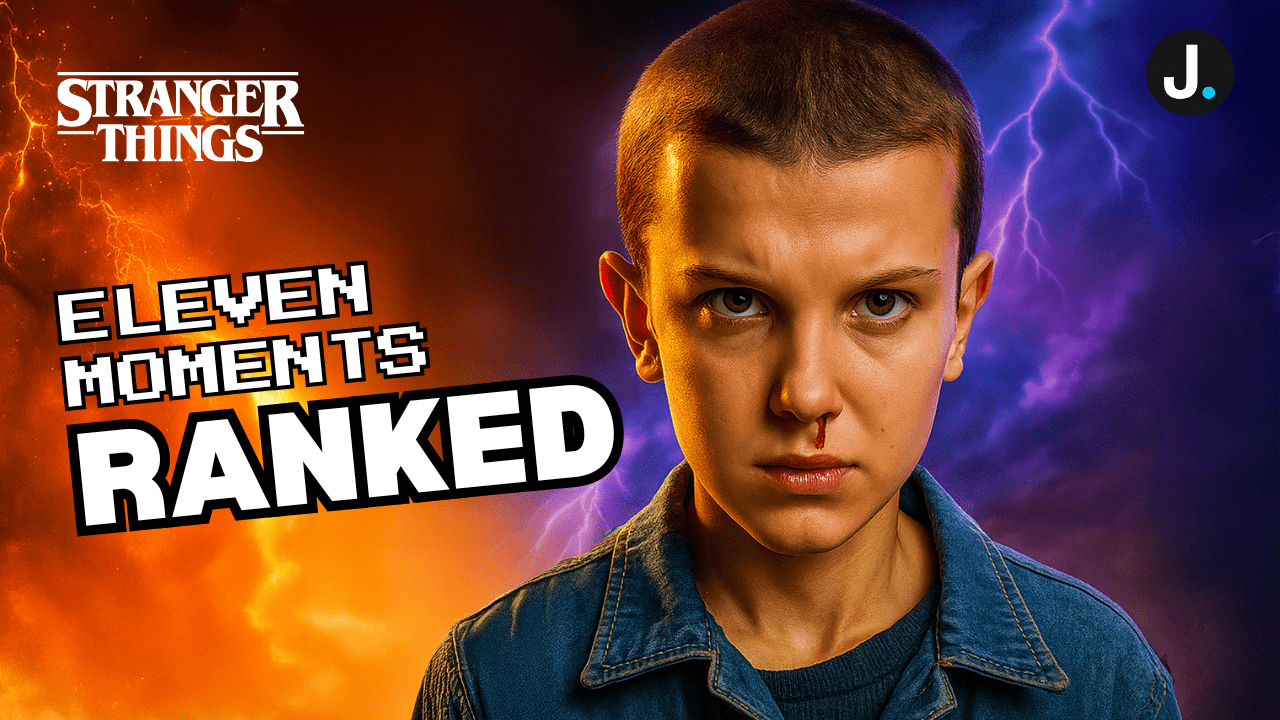
As anticipation builds for the November release of Stranger Things 5, it's worth reflecting on the pivotal fourth season and the bold decision to shift much of the action away from its familiar roots in Hawkins, Indiana. This startling change set the stage for a season that strived for a grander narrative scope and deeper character exploration, reflecting the show's growth as it matured alongside its audience.
In an interview with Entertainment Weekly, co-creator Matt Duffer revealed that one of the main plot "broad strokes" for season four was to move the action beyond Hawkins, marking a first for the series. This strategic decision allowed the Duffer Brothers to break new ground, pulling their characters into varying locations and situations that heightened the stakes.
The move was necessary to keep the narrative fresh and engaging, steering the series away from becoming formulaic in its storytelling. By placing characters like Eleven and Joyce Byers outside their comfort zone, the writers could explore themes of identity, belonging, and the complexities of familial relationships in a way that had not been possible when confined to the small-town dynamics of Hawkins. This geographical shift also mirrored the personal growth of the characters, as they confronted challenges that pushed them further than they had ever been before.
The Duffer Brothers' ambition for Stranger Things 4 can also be likened to landmarks in television history, particularly the HBO juggernaut Game of Thrones. By embracing a more cinematic approach—characterized by an "epic" triptych structure—the fourth season paved the way for longer runtimes and a more mature tonal landscape.
The decision to split characters across multiple distant locations not only elevated the narrative stakes but also echoed the complex political and emotional threads found in Game of Thrones. This provided a rich tableau for exploration, allowing for diverse plotlines that interwove the growing threat of the Upside Down with personal arcs. In doing so, the series was not only able to tackle numerous loose ends left from season three, such as Hopper's perceived death and Eleven's new family dynamic, but also to set the stage for deeper character development that would resonate with audiences.
The thematic explorations in Stranger Things 4 echoed through its relocation choices. Characters were no longer just battling Demogorgons in the woods of Hawkins; they were navigating new challenges and questions of survival in an increasingly complex world. This shift in setting was reflective of both the external and internal wars waged by the characters.
As Matt Duffer noted, this season built on the emotional groundwork laid in earlier episodes while providing fresh context to explore the ramifications of trauma, loss, and resilience. Characters like Eleven, now trying to forge her identity in a world where she feels disconnected from her past, highlight the necessity of this move. The darker, more mature themes present in season four were representative of the series evolving alongside its audience, who have grown with the characters over the years.
As we look forward to the highly-anticipated fifth season, it’s clear that the decision to take the action away from Hawkins was a crucial step in allowing Stranger Things to expand both its narrative universe and thematic depth. By embracing new landscapes and challenges, the series not only retained our interest but also deepened our connection to the beloved characters we’ve watched grow from children into young adults facing real-world dilemmas. With November approaching, fans are eager to see how these threads will be sewn together in the final chapter of this unforgettable journey.