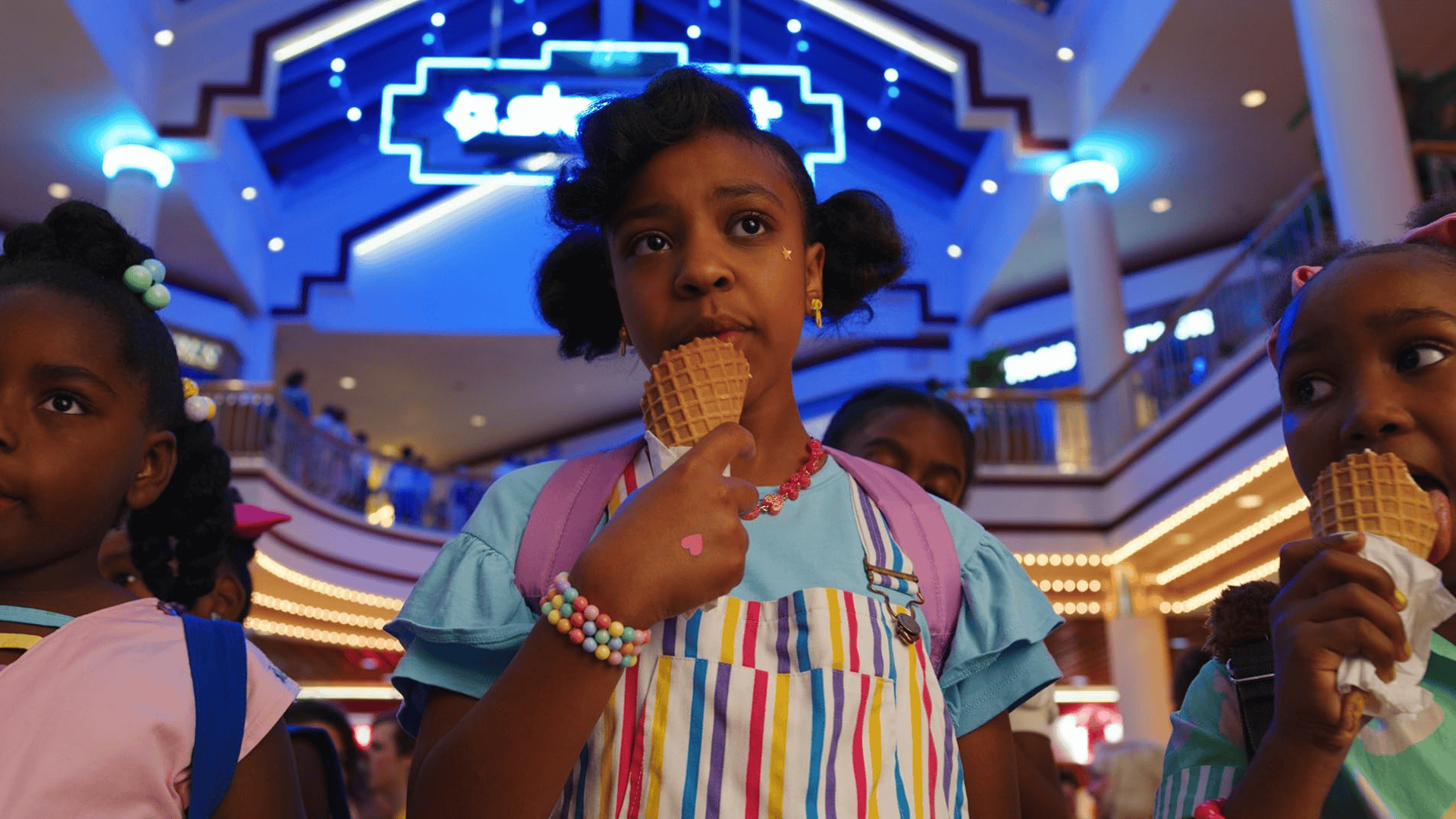
In the summer of 2019, viewers were transported back to the 1980s through the vibrant world of Starcourt Mall in the third season of Stranger Things. This retro shopping center became a cultural phenomenon, functioning not only as a key location in the storyline but as an instantly iconic symbol that resonated strongly with audiences. Its neon lights, classic storefronts, and nostalgic energy sparked immediate fan fascination, leading producers to briefly consider preserving Starcourt as a permanent attraction. The idea held obvious appeal, yet the decision was ultimately abandoned for reasons rooted in practicality and broader industry changes.
The allure of Starcourt came from more than the show’s storytelling. Shopping malls once served as major hubs of teen culture, and the set re-created that experience with striking authenticity. Producers explored the possibility of establishing Starcourt as a long-term destination that fans could visit. The concept promised to turn the mall into a lasting piece of Stranger Things history, potentially drawing thousands of visitors eager to relive the atmosphere captured on screen. Despite its potential commercial viability, the producers concluded that keeping the set intact was not sustainable. As they explained, “We toyed with the idea but realized that the practicalities and economics of maintaining a permanent set would be challenging.” The costs of upkeep, shifts in consumer behavior, and uncertainty about future tourism patterns all contributed to that assessment.
The situation changed further when the COVID-19 pandemic struck in March 2020. Production on Season 4 paused until September 2020, creating an extended hiatus that affected planning across the board. With global travel restrictions in place and public health concerns escalating, encouraging large crowds to visit a physical mall was no longer realistic. The prospect of maintaining a fan attraction became even less feasible under circumstances that demanded strict limitations on public gathering. Rather than investing in a permanent location that few people could safely visit, the producers redirected their efforts toward engagement strategies better suited to the moment.
One of the most inventive solutions was the international touring of the Scoops Ahoy Ice Cream brand, a standout element from Season 3. By introducing themed pop-ups in major cities, the team delivered a mobile, flexible experience that preserved the charm of Stranger Things without the risks associated with a permanent venue during the pandemic. These events kept fan enthusiasm high while respecting safety guidelines, offering interactive encounters that could adapt to changing health protocols. This approach demonstrated a strategic pivot toward experiences that were easier to manage and aligned with the realities of the time.
The choice not to preserve Starcourt Mall also reflects broader changes in how audiences engage with entertainment. The rise of streaming platforms and the growing influence of virtual fan culture have reshaped expectations around immersion and nostalgia. Many fans today interact with their favorite shows through digital content, merchandise, and limited-run experiences rather than large, fixed attractions. In this evolving landscape, the value of a physical set is no longer as straightforward as it might have been decades earlier. The world of Stranger Things has flourished through diverse channels that extend beyond a single location, ensuring that its cultural presence remains accessible even without a permanent structure.
While the idea of keeping Starcourt Mall intact as a lasting attraction held strong nostalgic appeal, practical constraints, the impact of the pandemic, and shifts in audience behavior shaped the final outcome. The spirit of the series continues to thrive through dynamic and adaptable fan experiences that reach audiences worldwide. As anticipation builds for the arrival of Season 5 this November, it is clear that the magic of Stranger Things—much like the essence of the 1980s itself—endures not through preserved buildings, but through collective imagination and shared engagement that transcends physical space.