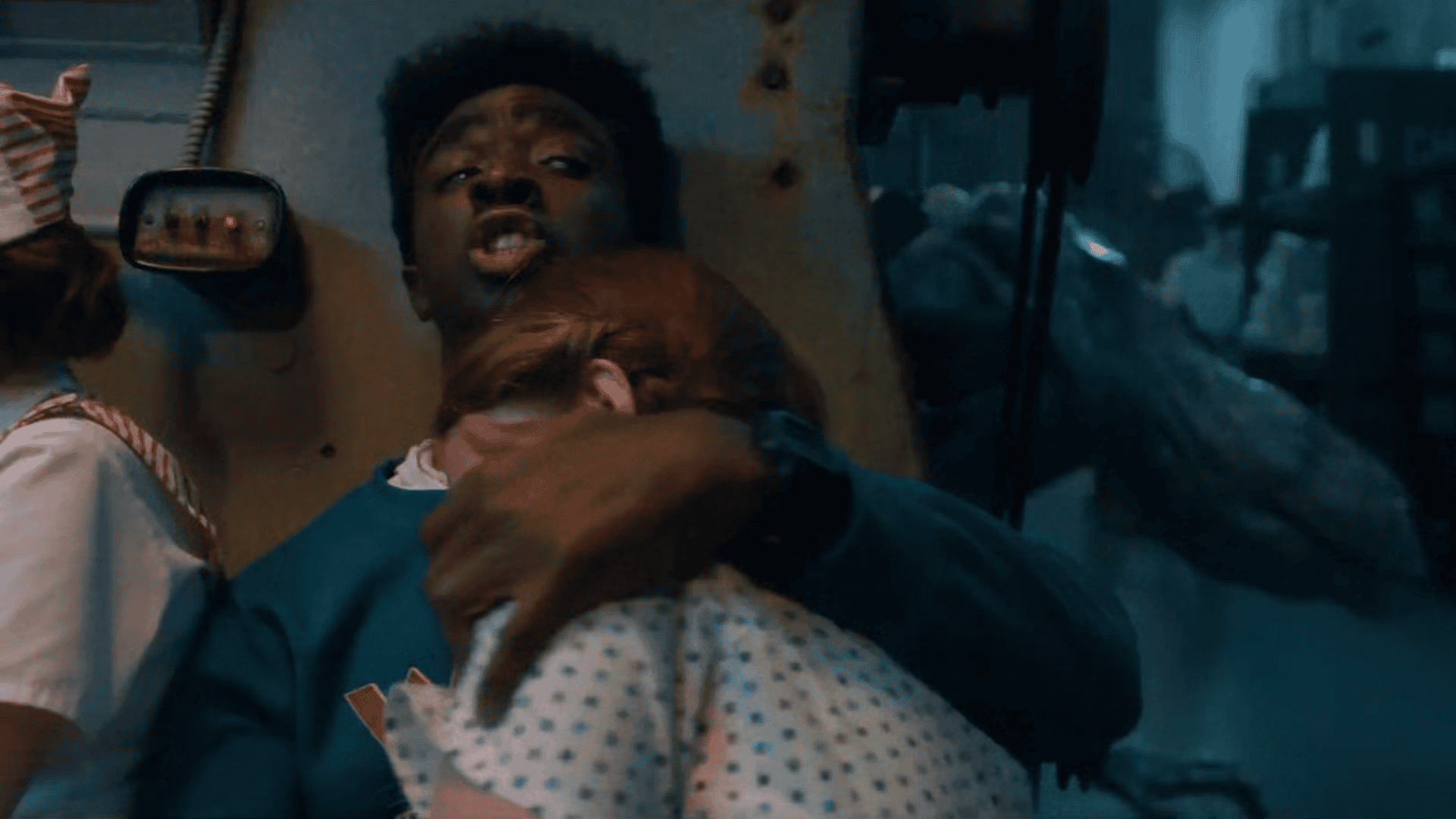
Step into Hawkins, Indiana, and you feel as though you’ve wandered onto the set of an old 1980s film. That isn’t coincidence—it’s meticulous design. The Duffer Brothers, Matt and Ross, knew that to truly evoke the decade, the show needed a visual language that felt authentic, tactile, and unmistakably 1980s. To achieve this, they relied on the RED Dragon camera, a digital workhorse capable of extraordinary detail, yet paired it with techniques that transformed its footage into something that looked like it had been shot on classic film.
Skip Kimball, the show’s colourist, played a pivotal role in this transformation. By layering scanned film grain atop digital footage and incorporating actual 1980s film stock into the grading process, Kimball created an organic texture rarely seen in contemporary television. Each frame carries tiny imperfections—subtle scratches, uneven grain, and gentle colour shifts—that replicate the feel of analog cinema. These aren’t just aesthetic choices; they are deliberate tools to evoke emotion. Kimball remarked, “It’s not just a visual choice; it’s about invoking a feeling that resonates with the audience.” Watching Stranger Things, you sense this tactile quality. It’s warm yet slightly uncanny, nostalgic but tinged with the suspense and foreboding that define the series.
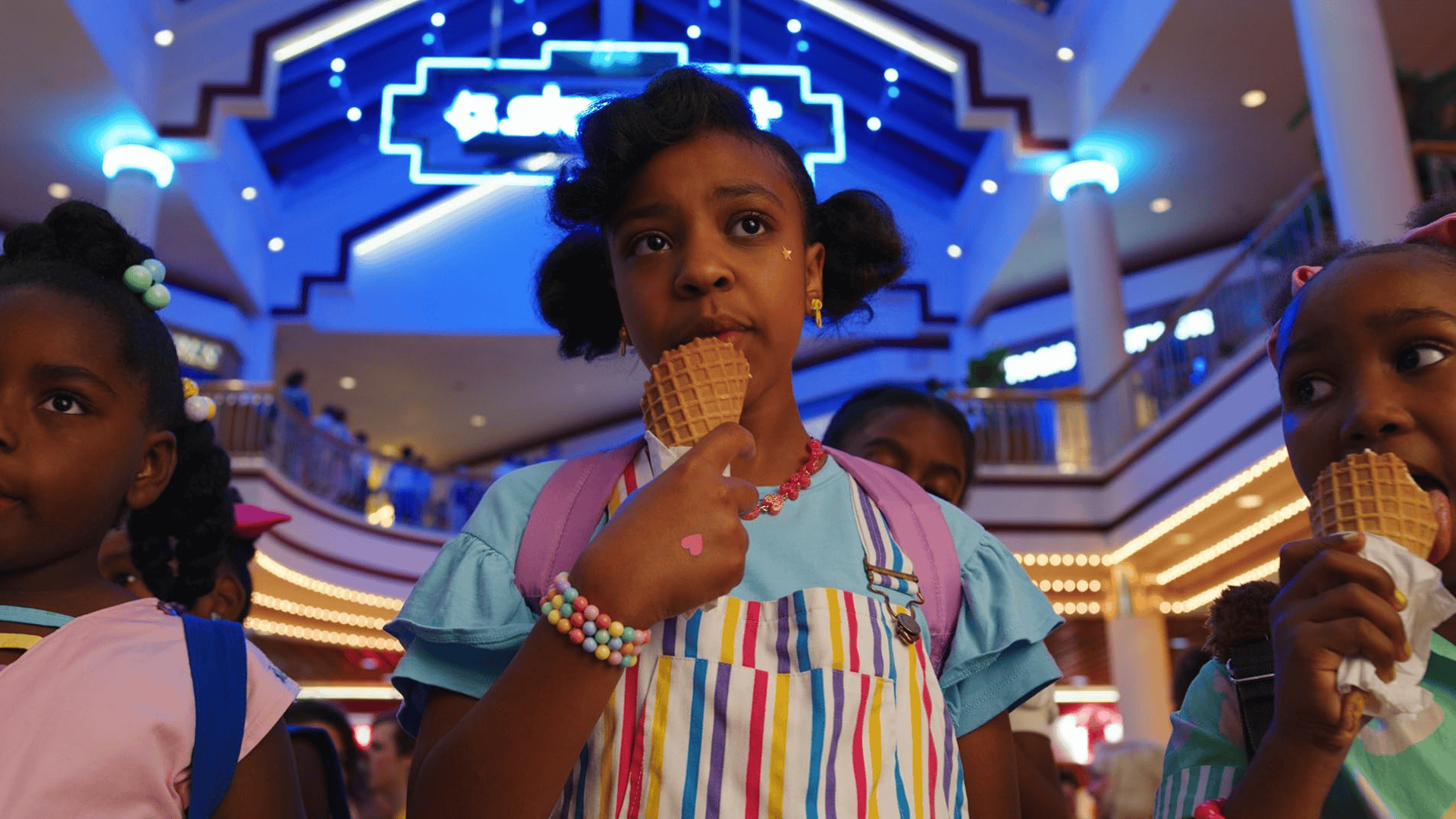
The choice of colour palette also reinforces the era. Soft, muted tones dominate suburban interiors, while neon lights punctuate the night scenes, echoing the visual style of films like Back to the Future and E.T. These colours evoke memory rather than reality, creating an emotional resonance that grounds the supernatural elements in a recognisable world. Every shadow, every flicker of light, contributes to a sense that you’re watching events unfold on vintage celluloid, even when the underlying effects are digital.
Stranger Things’ aesthetic is inseparable from its cinematic influences. The Duffer Brothers frequently cite Amblin Entertainment as a guiding light, drawing on the studio’s mastery of suspense, adventure, and emotion. Unlike modern horror, which often relies on gore and shock value, 1980s films such as E.T., The Goonies, and Stand by Me crafted tension through atmosphere, character relationships, and visual storytelling. This approach informed Stranger Things’ tone, allowing it to scare and thrill without overwhelming the audience with blood or violence.
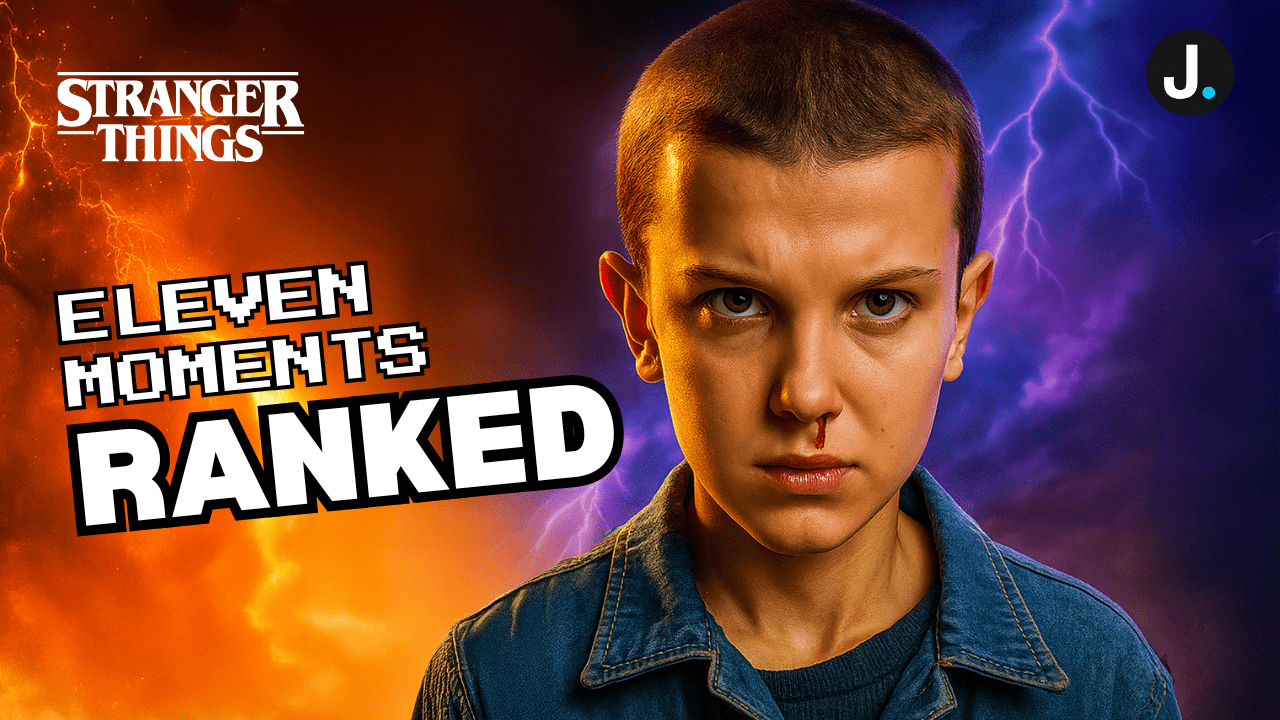
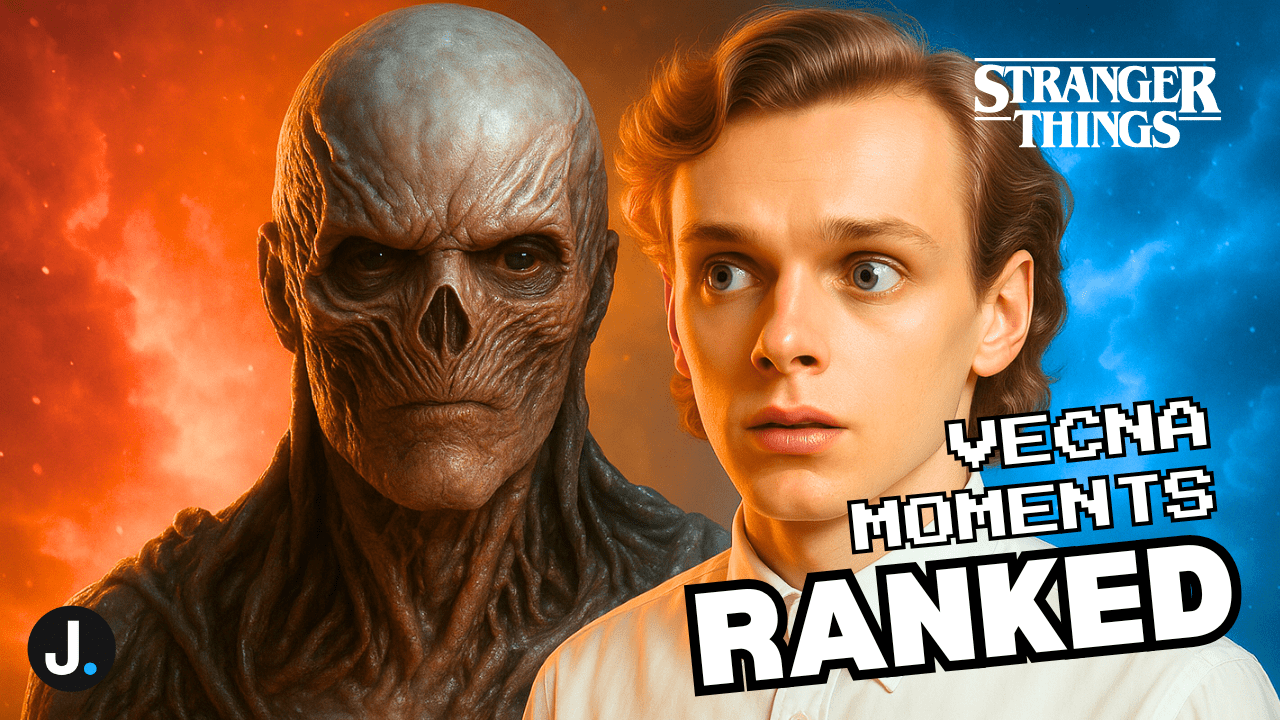
The Duffer Brothers have said that films from the era were “much more about mood and atmosphere and suspense and dread than they are about gore,” and that philosophy permeates the series. The Upside Down, with its creeping shadows and flickering lights, owes as much to Spielbergian suspense as it does to John Carpenter horror. Scenes like the Demogorgon emerging from the darkness, or Eleven reaching into the void, evoke the same kind of quiet dread that made films like Poltergeist or Close Encounters of the Third Kind unforgettable. By prioritising tension over shock, Stranger Things captures the emotional impact of 1980s horror while still feeling fresh to modern audiences.
Even in moments of levity, the show nods to its influences. The group’s Dungeons & Dragons sessions, the suburban mall escapades, and the awkward teenage interactions all feel like lifted directly from a Spielberg coming-of-age film, but threaded through with supernatural stakes. This synthesis of adventure, emotion, and terror demonstrates the Duffer Brothers’ deft handling of homage—they borrow the language of the 1980s, then translate it into a narrative that resonates today.
Perhaps the most striking element of Stranger Things’ visual identity is its ability to scare without over-relying on blood or shock. The series leverages light, shadow, and sound to keep viewers on edge, drawing the audience into the world of Hawkins with a mix of wonder and dread. Practical effects, from the gooey tendrils of the Demogorgon to the eerie lighting of the Upside Down, are enhanced through digital refinement, ensuring that each frame retains a visceral sense of reality while remaining stylistically consistent with 1980s cinema.
Sound design plays a key role as well. Synth-heavy scores reminiscent of John Carpenter, combined with subtle environmental cues, heighten tension and anxiety in ways that are both immersive and emotionally compelling. A sudden power outage, a creaking floorboard, or the flutter of a creature’s appendage can provoke far more unease than a gratuitous jump scare. This careful calibration ensures that suspense is maintained, and that fear feels earned rather than manufactured.
Even the pacing contributes to tension. Stranger Things mirrors the ebb and flow of classic 1980s storytelling, allowing moments of calm and nostalgia to punctuate scenes of terror. It is in these quiet interludes that the emotional weight of the narrative is established—whether it is the camaraderie of the kids at the arcade, Joyce’s desperate search for Will, or Hopper’s haunted reflections. The juxtaposition of innocence and danger, so central to the decade’s best films, gives Stranger Things its signature rhythm and emotional resonance.
Through these choices, Stranger Things does more than tell a story; it transports viewers into an era where suspense, friendship, and wonder coexisted on screen. The careful construction of its 1980s aesthetic—from camera technology to colour grading, from homage to innovation—creates a world that is immersive, emotionally rich, and enduringly nostalgic. As Season 5 approaches, it is evident that the Duffer Brothers’ commitment to capturing the spirit of the 1980s will continue to define the series’ visual and emotional identity, offering fans both thrills and a heartfelt journey into a carefully recreated past.