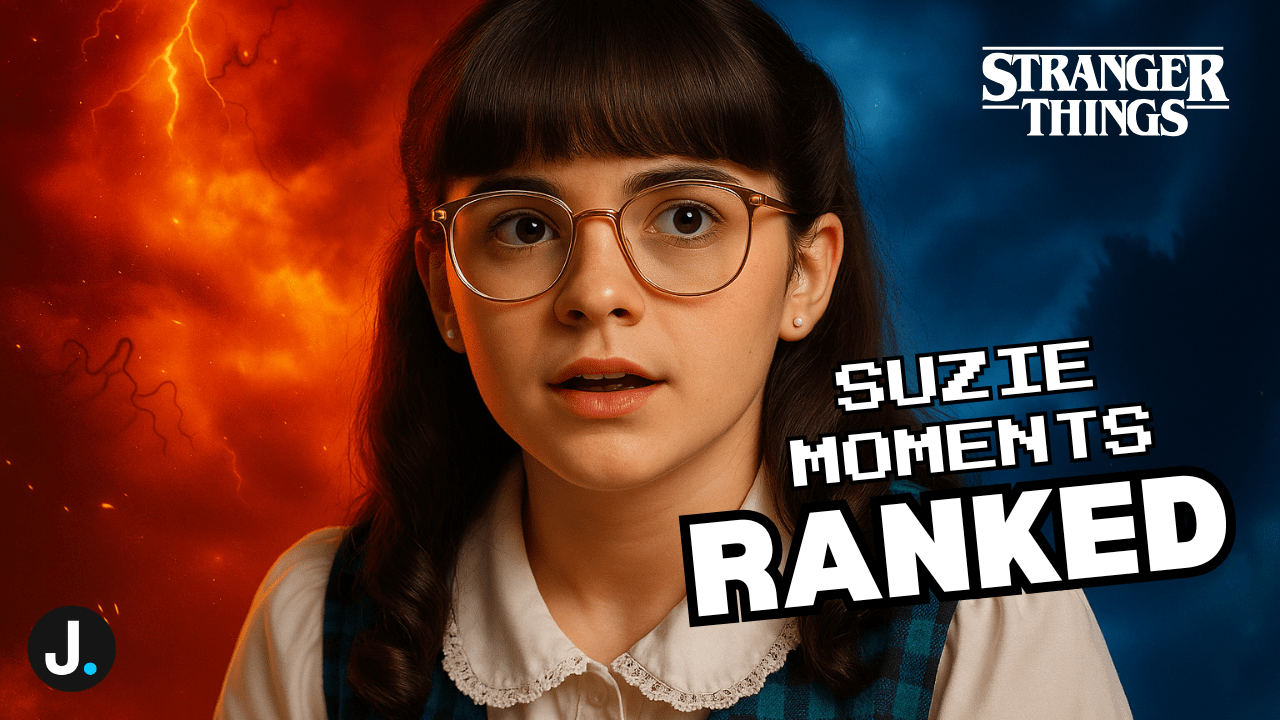
Stranger Things has cemented its place in pop culture, captivating audiences with its nostalgic nods to the 1980s, its engaging narrative, and its memorable characters. Understanding the influences that shaped the series reveals just how deeply it is rooted in the cultural and political climate of the decade it depicts. One influential work that significantly contributed to the foundation of Stranger Things is the 1984 film Red Dawn, a movie that captured the anxieties and atmosphere of the early Cold War era and helped frame the tone that the Duffer Brothers sought to recreate.
At its core, Stranger Things draws heavily from the cultural zeitgeist of the early 1980s, a period defined by heightened Cold War tensions and widespread unease. The Duffer Brothers have explained that when crafting the supernatural elements of the story, they looked to “bizarre experiments we had read about taking place in the Cold War” such as Project MKUltra. These real-world inspirations allowed them to anchor the show's monsters and extraordinary events within a scientific conspiratorial backdrop rather than relying solely on fantasy. This approach created a fear that felt grounded and plausible, shaped by the era’s caution toward government secrecy and scientific overreach. By setting the series in 1983, just one year before the release of Red Dawn, the creators placed the story at the height of a cultural moment steeped in paranoia and distrust. Red Dawn portrayed a fictional Soviet invasion of the United States, tapping directly into fears of foreign threats, and this tone resonates throughout the challenges faced by the residents of Hawkins as they confront the dangers emerging from the Upside Down. This blending of real-world anxieties with supernatural storytelling gives the show a rich tension that extends far beyond nostalgia.
The Duffer Brothers’ personal experiences from growing up in the 1980s also played a crucial role in shaping the show’s narrative identity. Immersed in the pop culture of the decade—ranging from John Hughes films to Stephen King novels—they absorbed the emotional and thematic qualities that would later define Stranger Things. The creators have woven these influences into the series with deliberate care, resulting in a world that authentically reflects the media landscape that shaped their childhood. This personal connection enriches the characters, particularly Eleven and the group of friends at the center of the story. They embody recognizable 80s archetypes, yet they also carry the burdens, fears, and uncertainties that were part of growing up during such a politically charged era. The show’s use of nostalgia extends beyond simple aesthetic choices, functioning instead as a means of exploring friendship, courage, and the consequences of scientific experimentation—ideas that Red Dawn also engages with through its portrayal of teenagers thrust into a conflict shaped by geopolitical turmoil.
Reflecting on the relationship between Red Dawn and Stranger Things highlights how foundational 1980s cinema and cultural experiences can be in shaping modern storytelling. The Duffer Brothers’ ability to merge supernatural horror with the real fears of the Cold War era has allowed the series to connect across generations. The interplay of historical context and fiction adds depth to the narrative, ensuring that the show resonates not only as an entertaining supernatural tale but as a commentary on the lived anxieties of its setting. By drawing upon films like Red Dawn, the series invites viewers to consider how the fears of one era can manifest in the stories told decades later, providing a lens through which the complexities of the past can be understood.
As the story of Stranger Things continues to unfold, the influence of Red Dawn remains a key element in understanding its creative DNA. The film stands as a cultural touchstone, illustrating how the tensions of the Cold War helped shape narratives that blend human vulnerability with extraordinary threats. This fusion of history and fiction has helped Stranger Things achieve its lasting impact, demonstrating how deeply the show is connected to the era it portrays and how skillfully it translates those anxieties into a compelling and enduring narrative.