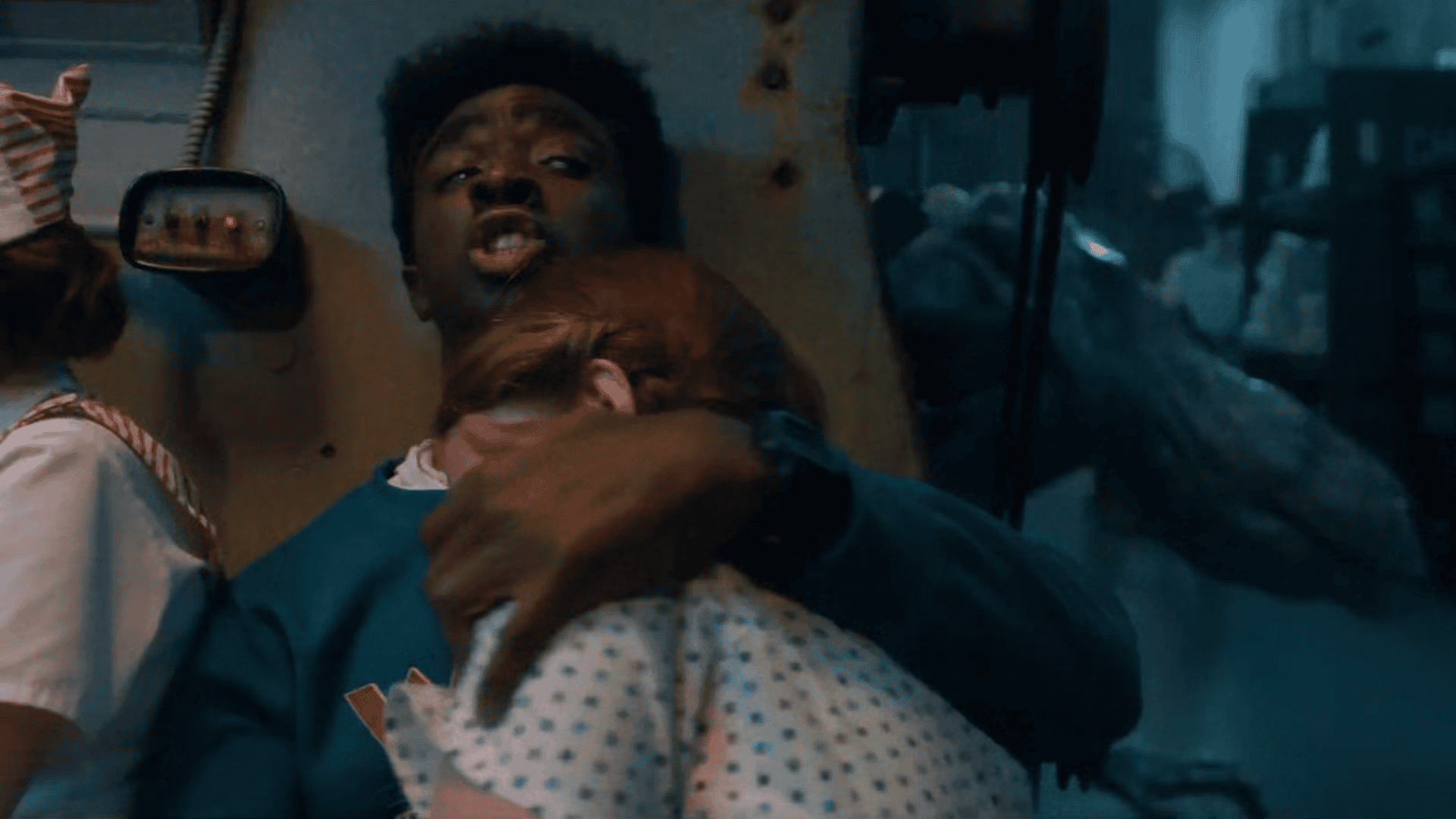
Few moments in Stranger Things have left fans as unsettled as Max’s fate at the end of Season 4. Played with intensity and vulnerability by Sadie Sink, Max was left in a coma after a terrifying encounter with Vecna, leaving her friends and viewers in anguished suspense. Reddit user nebrossa ignited a wave of speculation when they suggested, “Max will help [kill] Vecna from inside.”
The theory hinges on the idea that while Max is trapped in the liminal space between life and death, she may form a psychic or spiritual connection with Vecna, giving her insight into his motives, weaknesses, and perhaps even his fears. The thought that Max could become a secret weapon from within her coma is thrilling, terrifying, and entirely in keeping with Stranger Things’ history of blending horror with emotional depth.
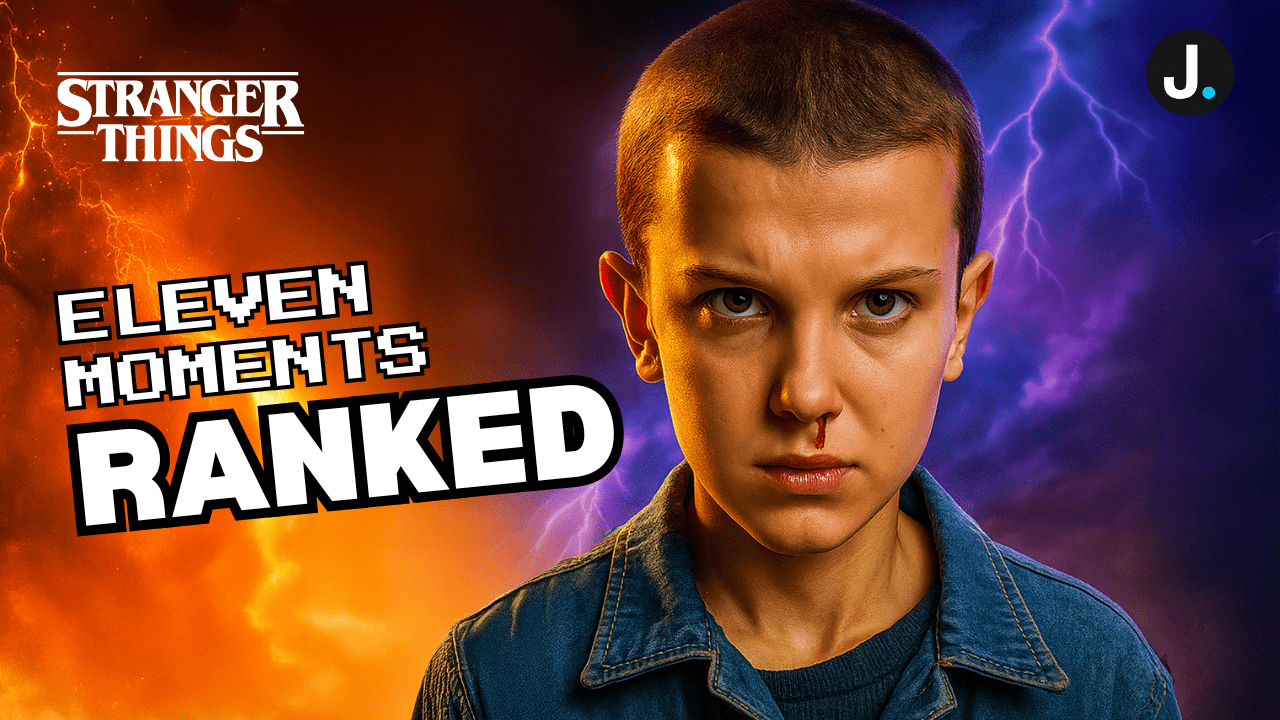
Fans are drawn to the idea because it transforms Max from a victim into a subtle hero, someone who manipulates the narrative from within the very domain of evil itself. There is precedent for this type of story arc; Eleven (Millie Bobby Brown) has previously entered dangerous psychic spaces, and her triumphs were always as much about cleverness and courage as raw power.
Max’s potential revival also opens up new dynamics among the Hawkins crew. If she awakens and immediately uses her connection to Vecna, the entire team may have to reconsider strategy, alliances, and the emotional toll of fighting such a terrifying adversary. It’s a storyline that could balance high-octane suspense with intimate character moments — something the Duffer Brothers have perfected across the first four seasons.
And there’s another layer: Max has consistently been portrayed as a character whose trauma shapes her resilience. From losing her brother to navigating the complexities of adolescent friendship, her experiences have been toughening, building a psychological armour that makes this theory plausible. It would be cathartic for audiences who have invested in her journey to see her take control of her fate in such a high-stakes way.
Will Byers: Hawkins’ Dark Horse or Future Villain?
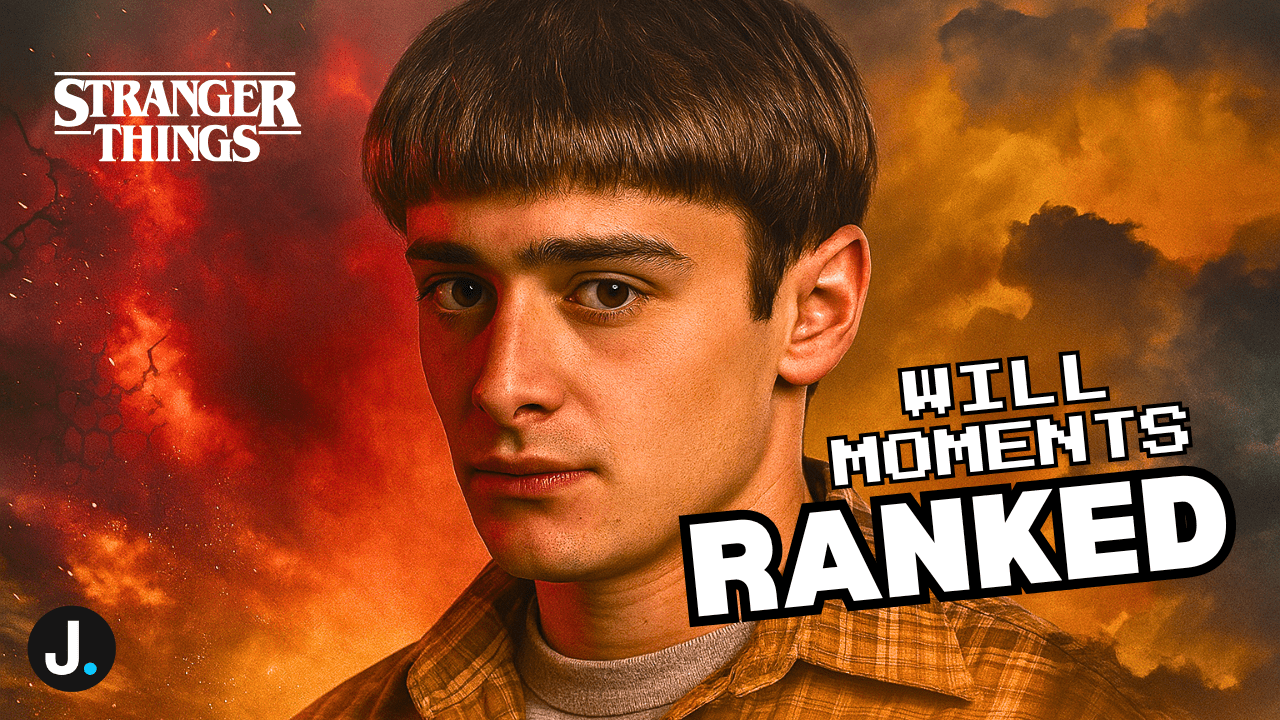
While Max fans are contemplating revival from psychic stasis, theories about Will Byers have taken a darker turn. Played by Noah Schnapp, Will has endured more trauma than almost any other character in Hawkins. Kidnapped by government agents in Season 1, possessed by the Mind Flayer in Season 2, and linked to Vecna through unexplained psychic phenomena in Season 4, he has repeatedly been the vessel for supernatural chaos.
A provocative fan theory suggests that Will’s connection to these entities could evolve into a transformation, potentially making him the Big Bad in Season 5. Stars David Harbour and Finn Wolfhard have described the idea of Will turning villainous as both “cool” and “interesting,” adding fuel to fan speculation.
The narrative hook lies in the Dungeons & Dragons imagery present in the series, particularly Will’s painting of a three-headed dragon in Season 4. Fans speculate that this is foreshadowing for an eventual showdown against Tiamat, the mythical mother of dragons from D&D lore. If Will’s dark connection grows stronger, it may force the Hawkins kids into a confrontation with an unexpected insider threat, blending the emotional intimacy of friendship with high-concept fantasy terror.
This theory resonates because it aligns with the series’ recurring themes: the duality of human nature, the lingering impact of trauma, and the thin line between innocence and corruption. Will’s journey from victim to potential villain would be both tragic and narratively compelling, allowing the show to explore the consequences of years of supernatural exposure in a deeply personal way.
Stranger Things as a Dungeons & Dragons Campaign
Perhaps the most mind-bending theory revolves around the idea that the events of Hawkins may themselves be part of a Dungeons & Dragons game. Fans have long appreciated how the show’s early seasons mirrored the mechanics and storytelling of D&D, from monster stat blocks to moral dilemmas reminiscent of tabletop campaigns.
Some theorists now speculate that the characters themselves — Will, Mike, Dustin, and Lucas — may be the players navigating a complex narrative shaped by imagination, trauma, and latent psychic abilities. Under this framework, Hawkins, the Upside Down, and Vecna could all exist as a blend of real danger and metaphysical storytelling, a shared dreamspace or campaign designed by older versions of the kids.
The theory invites a fresh lens: what if the horrors of the Upside Down are, in part, symbolic reflections of their own fears, choices, and interpersonal conflicts? This meta-narrative would allow the final season to explore themes of storytelling itself, the consequences of imagination, and the enduring power of collaboration among friends — a concept already central to the ethos of D&D.
This idea also explains some of the more fantastical narrative leaps in previous seasons. Rather than trying to reconcile every supernatural occurrence with rigid realism, it reframes the show as a tale about characters actively shaping their own stories. Fans love it because it honours the D&D foundation while rewarding attentive viewers with a new layer of interpretation, encouraging rewatching and deeper speculation.
Stranger Things 5 Speculations
The frenzy surrounding these theories illustrates a broader cultural phenomenon: Stranger Things is not just a show, it’s a participatory experience. From Reddit deep dives to TikTok theory compilations, fan communities dissect each frame, tease narrative possibilities, and engage in collaborative storytelling.
Some wild theories include:
- Hawkins as a Nexus of Alternate Timelines: Fans have speculated that the Upside Down is not merely a parallel dimension but a temporal hub, enabling time loops and alternate outcomes. This could explain why Season 4 seemed to foreshadow events from earlier seasons in unexpected ways.
- Eleven’s Psychic Limits and Hidden Powers: Another fan favourite suggests that Eleven may have untapped psychic abilities capable of altering not only the Upside Down but also the very fabric of reality — potentially allowing for multiverse-level stakes in the finale.
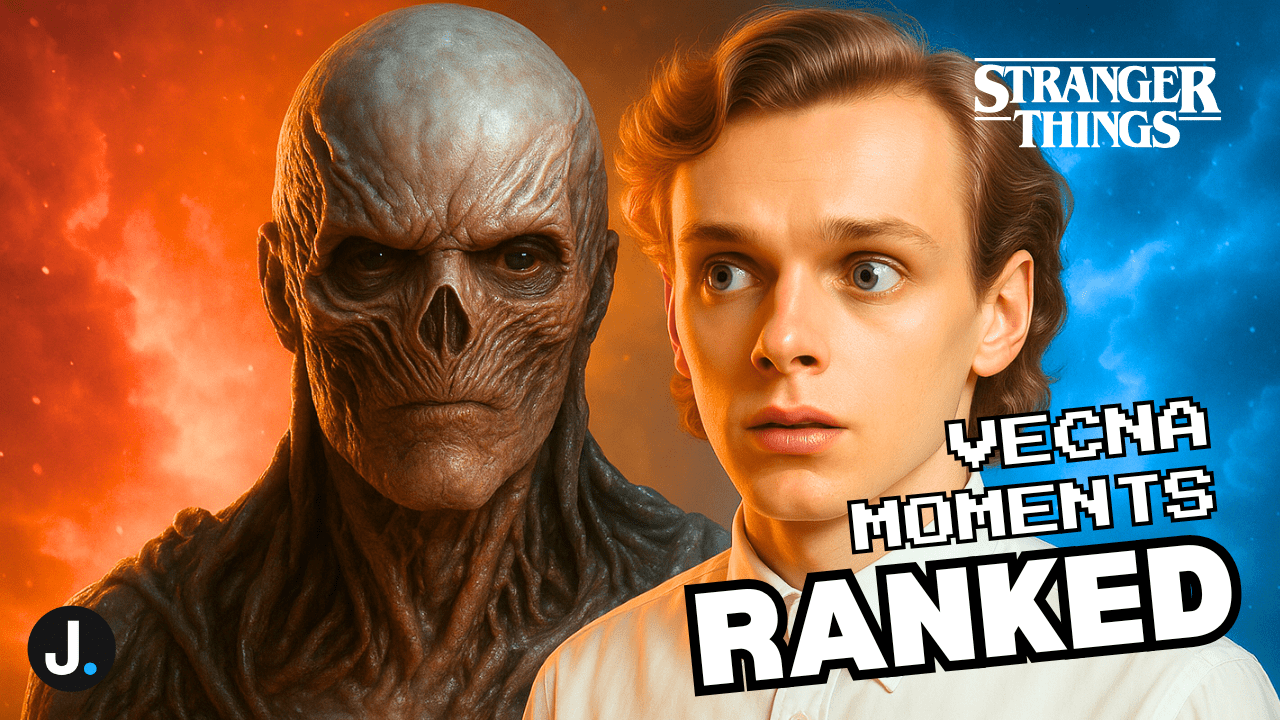
- Vecna’s Deeper Origin: Some theorists propose that Vecna may not be fully human at all but the product of a collapsed dimension or failed D&D experiment, tying his existence to both Hawkins’ labs and the game-loving kids in a sinister loop of creation and consequence.
What binds all these theories together is the show’s clever narrative architecture. The Duffer Brothers have consistently planted breadcrumbs — from subtle D&D iconography to visual motifs like runes, dragons, and broken machinery — that reward imaginative viewers without giving too much away.
Speculation about Max, Will, and the meta-narrative of Hawkins reveals why Stranger Things has achieved such enduring popularity. Fans aren’t merely consuming content; they are theorising, connecting dots, and emotionally investing in the potential futures of the characters.
The depth of fan theories also reflects the series’ layered storytelling. Each character arc, every mysterious dimension, and every nostalgic reference functions as narrative scaffolding, allowing multiple interpretations without breaking the cohesion of the story. This narrative elasticity ensures that even the wildest ideas — from Max’s psychic duel with Vecna to Will as Tiamat’s avatar — feel possible within the show’s universe.
What Stranger Things 5 Could Deliver
With the November 2025 release approaching, the energy surrounding Season 5 is electric. Fans expect:
- High-stakes confrontations with Vecna, potentially orchestrated from within Max’s psychic state.
- Emotional reckonings for Will, balancing trauma, loyalty, and possible corruption.
- A culmination of Dungeons & Dragons motifs, whether through literal gameplay or metaphorical storytelling.
All this points toward a season that is both epic and intimate, blending supernatural horror with deeply human themes: friendship, trauma, and resilience. The fan theories underscore that viewers are not only excited for plot resolutions but also for emotional closure and character arcs that honour nearly a decade of storytelling.
Ultimately, these fan theories illustrate the lasting cultural footprint of Stranger Things. The series has created a world that feels alive beyond the screen. Reddit forums, fan art, TikTok videos, and podcasts dedicated to theorycrafting show how invested the audience is in every line, every glance, and every shadowy hallway.
The beauty of these theories is that they enrich the viewing experience, encouraging fans to rewatch older seasons, revisit Easter eggs, and engage in passionate debate. Whether Max truly has a psychic edge, Will becomes a villain, or the entire narrative is a metaphysical D&D campaign, the speculation keeps Hawkins alive in the collective imagination.
And that is precisely why the anticipation for Stranger Things 5 is so intense: it’s not just about what happens, but how each theory interacts with nearly a decade of storytelling, pop culture references, and shared fandom experience.
Stranger Things 5 promises to take all of these threads — Max’s potential heroics, Will’s dark possibilities, and the meta-narrative of Dungeons & Dragons — and weave them into a finale that honours the series’ complex mythology. As Hawkins faces its ultimate showdown, fans will be watching, theorising, and screaming along in unison. And if the Duffers have anything to say about it, the finale will reward every shred of imagination, observation, and wild speculation that has brought the world of Stranger Things to life for nearly ten years.
Because in Hawkins, the Upside Down isn’t just a dimension — it’s a playground for ideas, fears, and fan theories alike.